

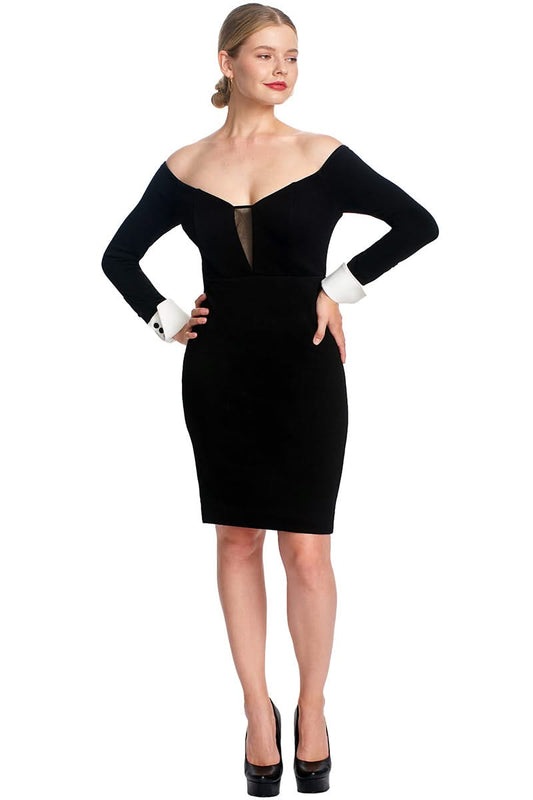
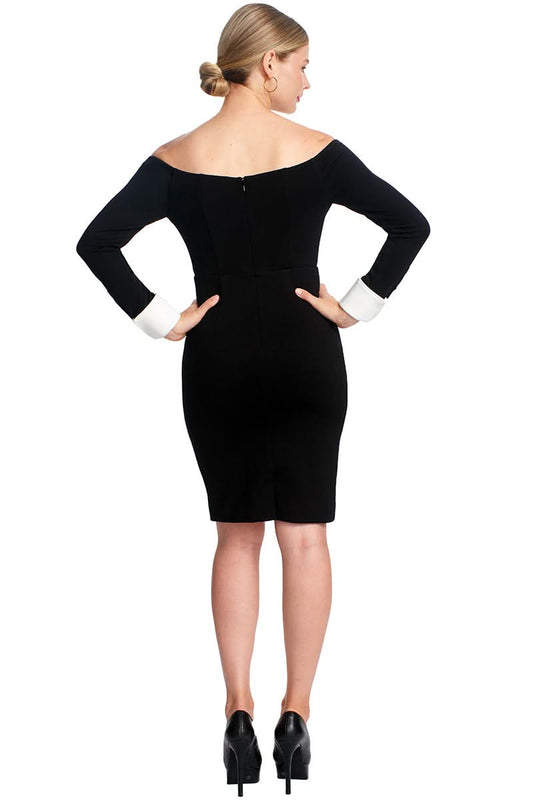
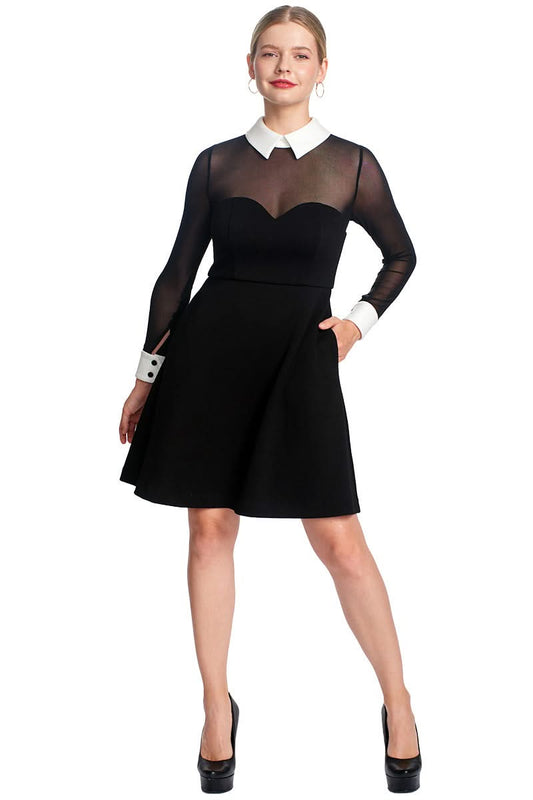
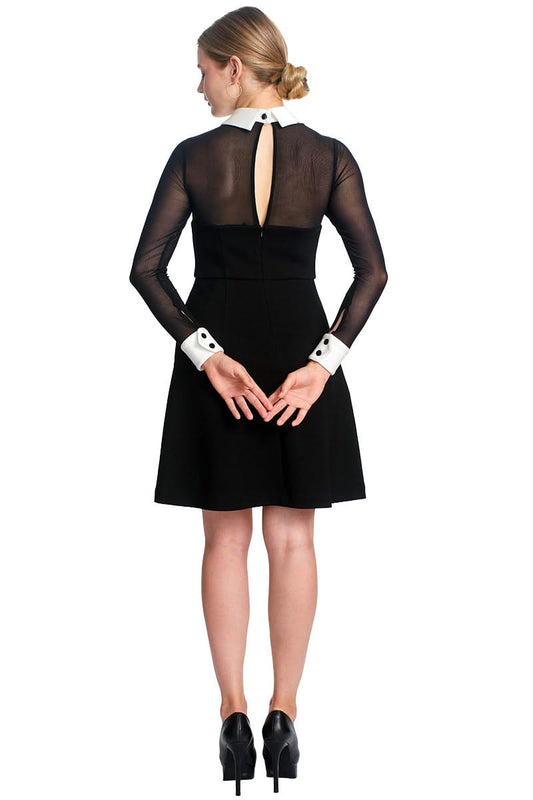
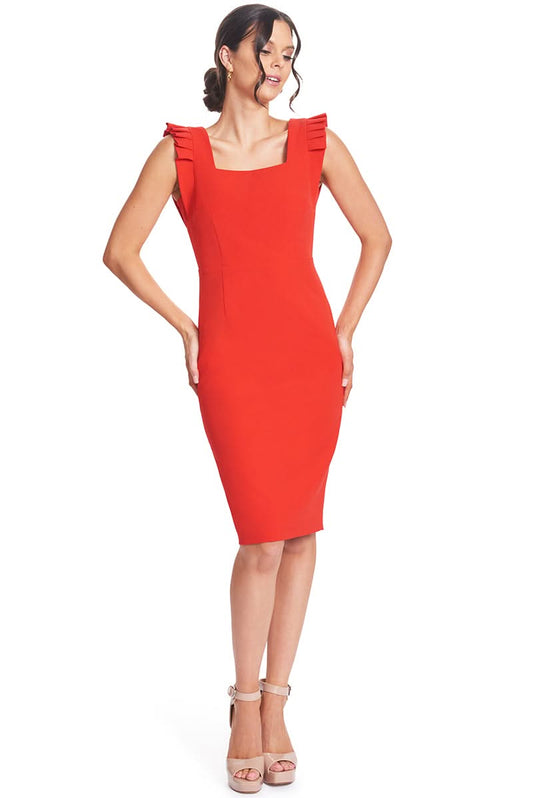
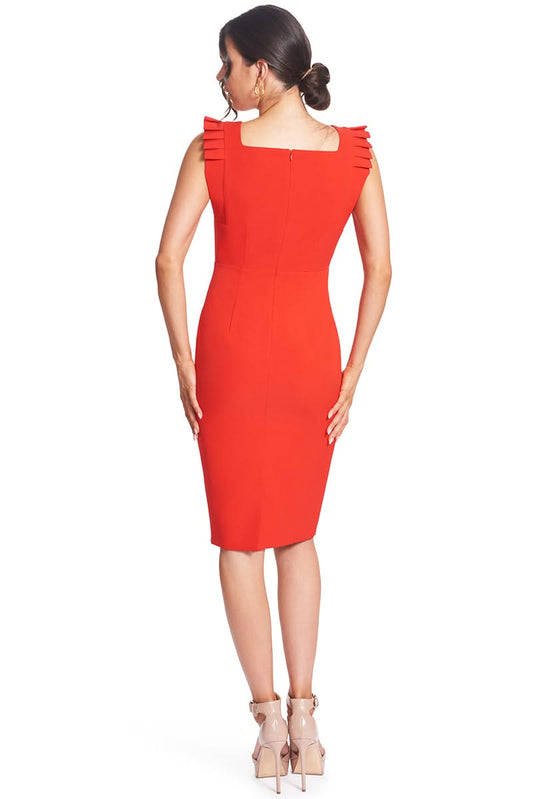
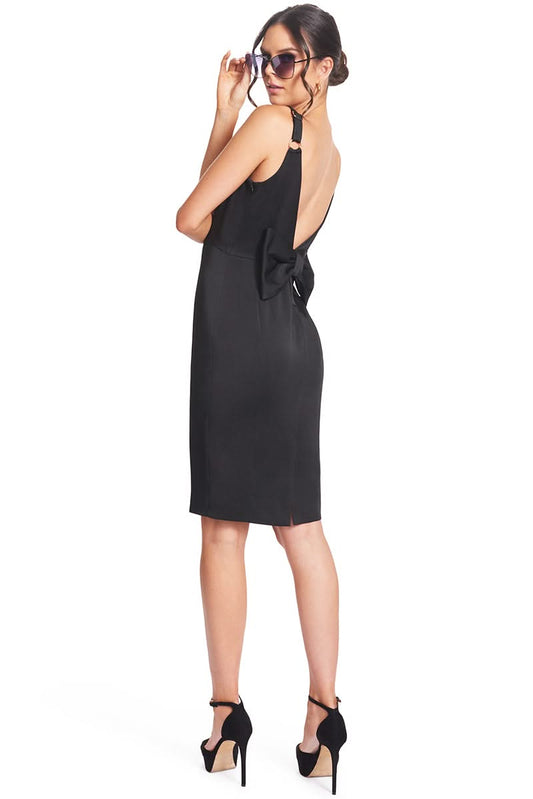
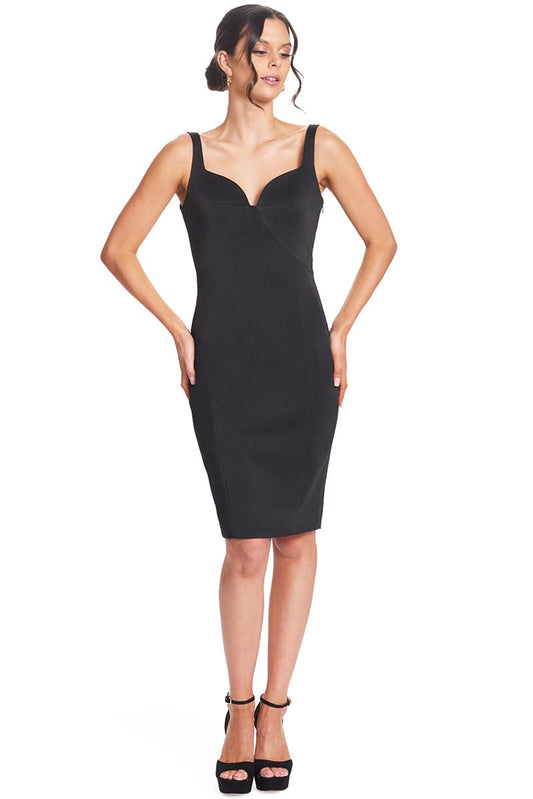
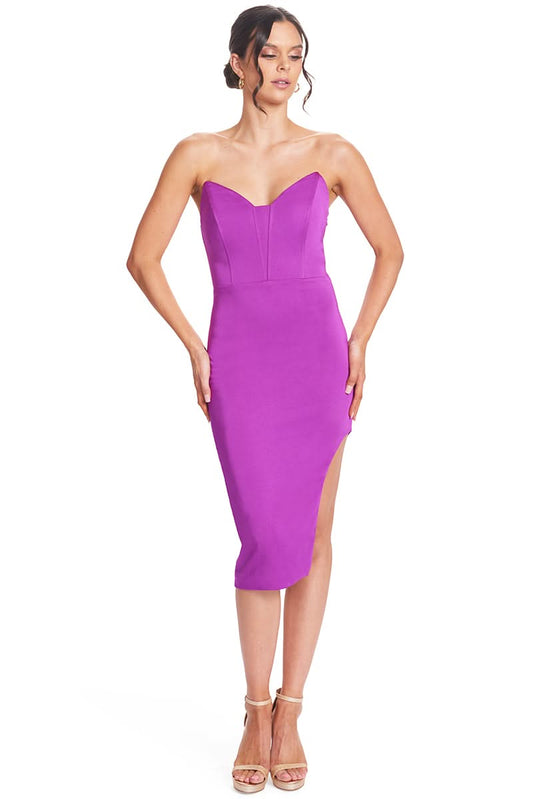
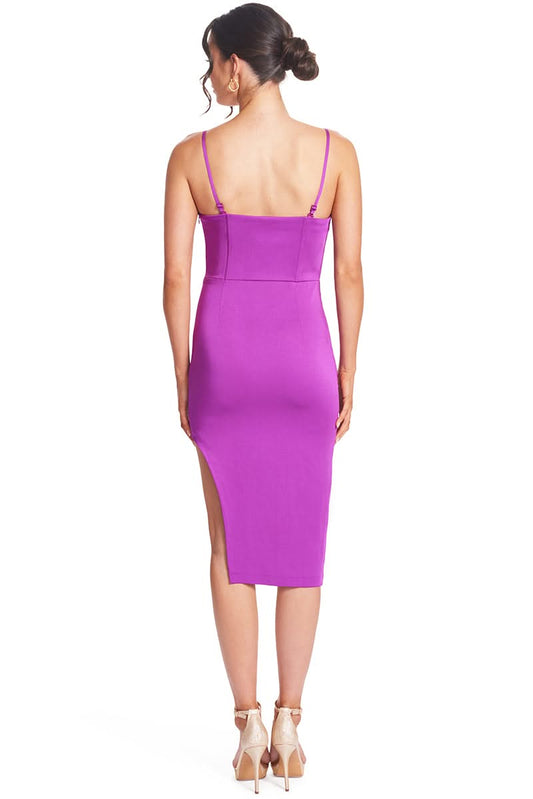
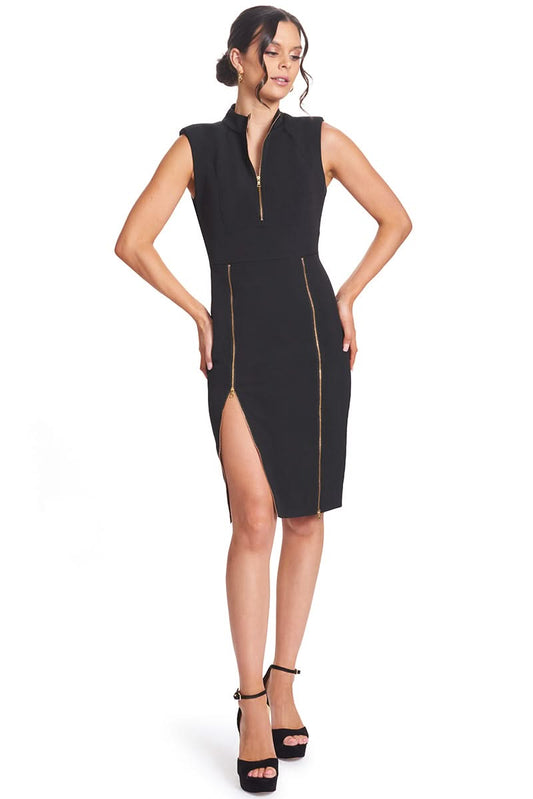
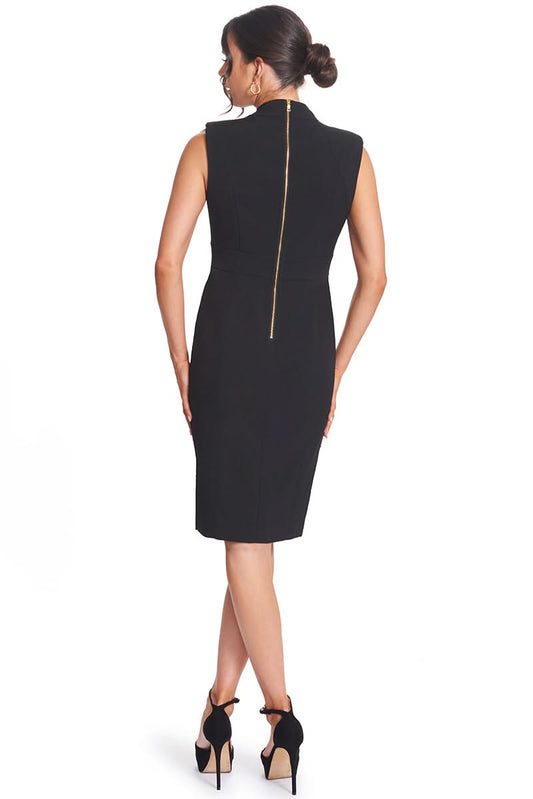

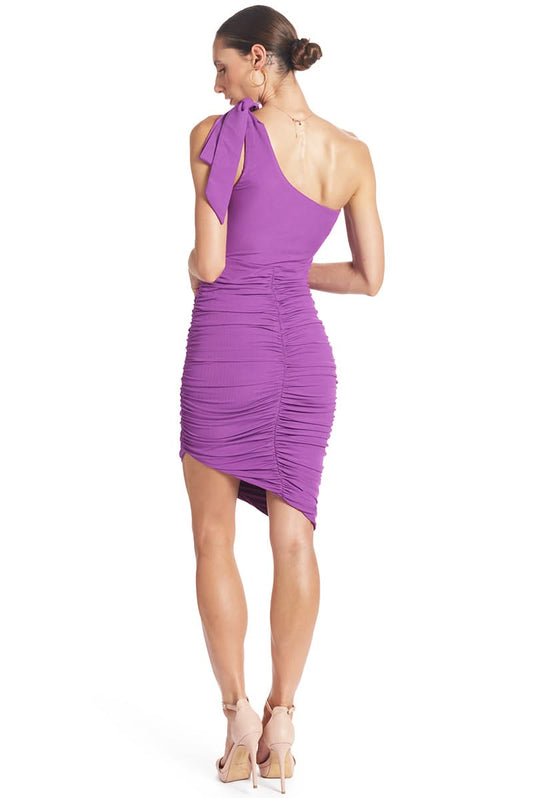
Why Invest in Structured Feminine Office Wear
Table of Contents
- Why Structured Feminine Office Wear Is a Career Investment
- The Psychology of Power Dressing: What Research Says About Workplace Confidence
- How to Build a Versatile Capsule Wardrobe Around Structured Pieces
- Benefits of High-Quality Professional Clothing That Lasts Beyond One Season
- Structured Tailoring for Every Body Type: Fit, Form, and Inclusive Sizing
- Balancing Elegance and Function: Day-to-Night Transition and Modest Necklines
- Budget-Conscious and Sustainable Ways to Invest in Structured Office Wear
- Frequently Asked Questions
Last Updated: October 7, 2026
Why Structured Feminine Office Wear Is a Career Investment
The global women's formal-wear market was valued at USD 205.83 billion in 2025 and is projected to grow 4.9% annually through 2032, according to Maximize Market Research's women's formal wear market report.
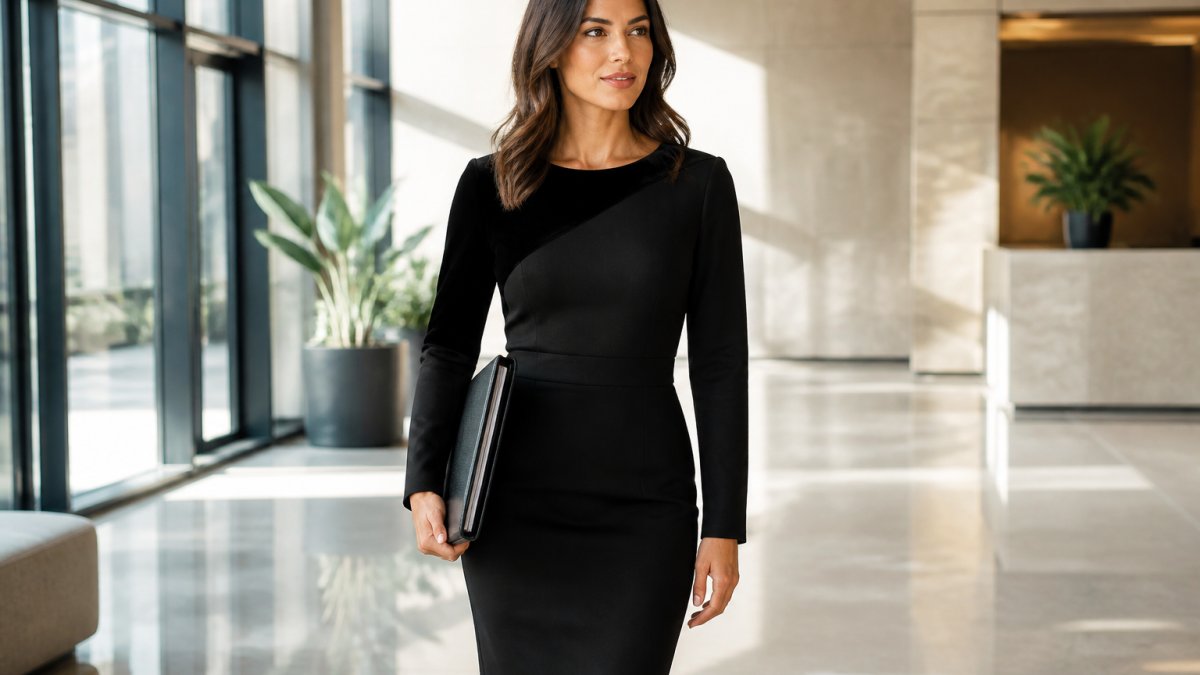
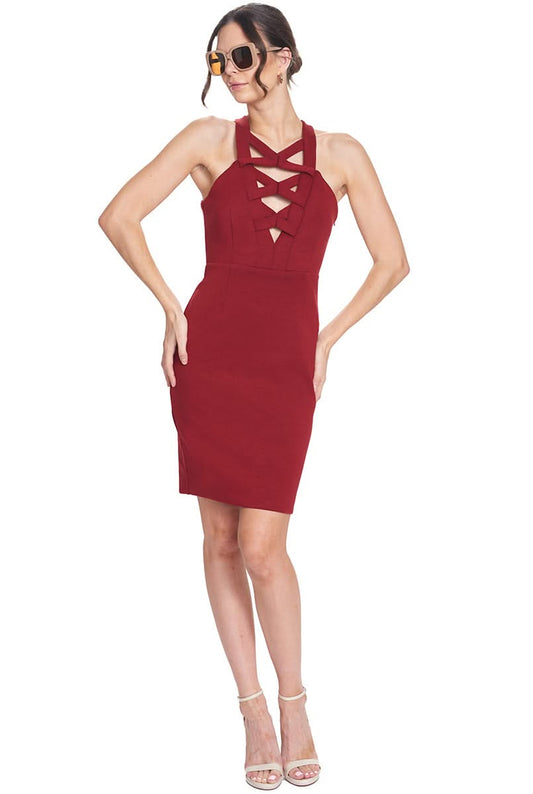
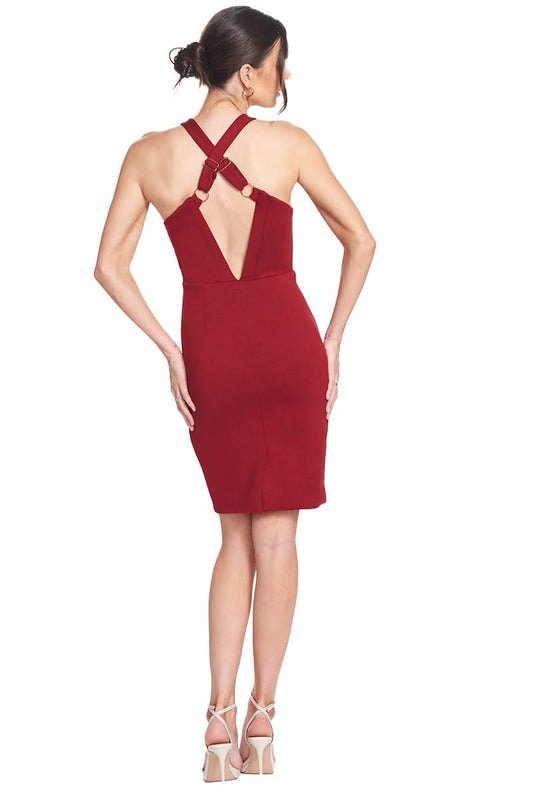
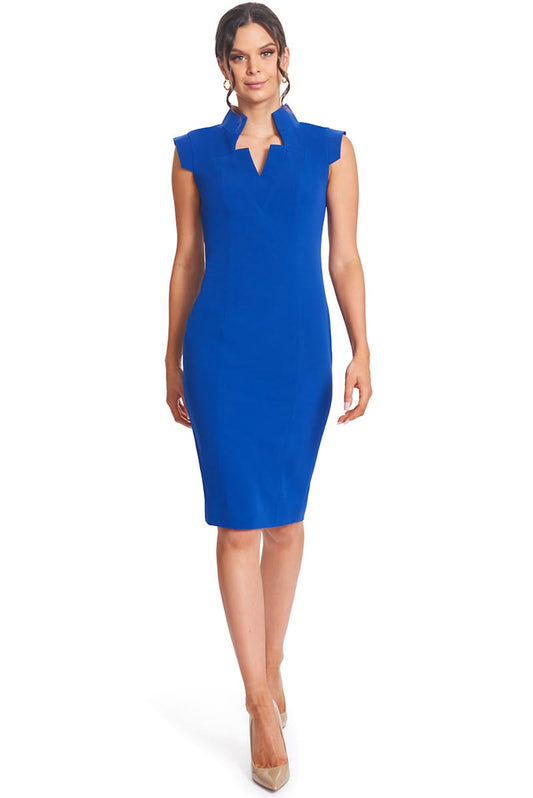
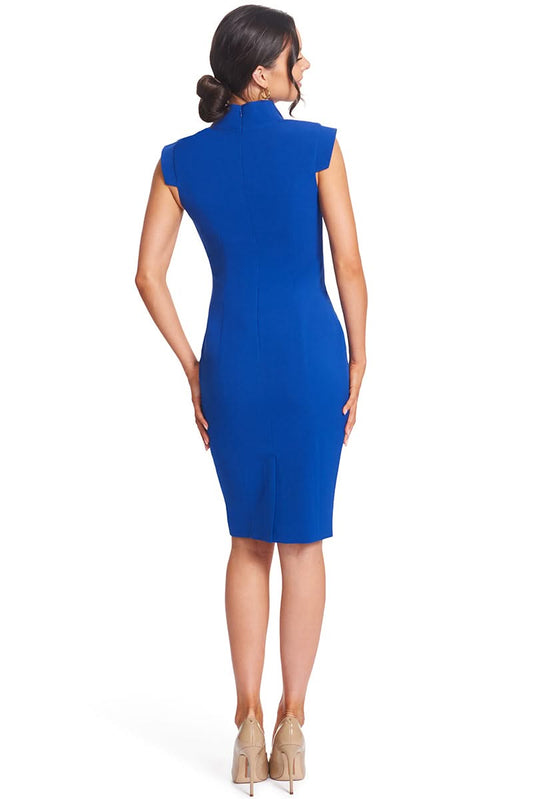
Structured feminine office wear is professional clothing built with intentional tailoring, defined silhouettes, and quality fabrics that hold their shape, combining the authority of traditional menswear construction with details that read as elegant rather than severe.
The case is straightforward: structured pieces create a consistent professional image, reduce decision fatigue, and outlast fast fashion.
The Psychology of Power Dressing: What Research Says About Workplace Confidence
Research led by a Virginia Commonwealth University team examined how employees' fashion choices at work can influence supervisors, according to VCU News coverage of the research.
A 2024 Style Space report surveyed more than 700 women about how clothing relates to mood and quality of work, as reported by Forbes coverage of the Style Space report.
What most guides miss is that the effect runs both ways.
How to Build a Versatile Capsule Wardrobe Around Structured Pieces
A capsule wardrobe is a small, coordinated collection that mixes and matches to cover most occasions. Built around structured pieces, every item shares a silhouette and palette, so getting dressed takes minutes, not an hour.
The 3-3-3 Formula: Three Pieces, Three Ways, Three Occasions
Use this framework to test whether a purchase earns its place:
| Piece | Office Styling | Day-to-Night | Evening |
|---|---|---|---|
| Convertible blazer | Worn long over tailored trousers | Half-zipped with a sheath dress | Cropped over a midi dress |
| Sheath dress | With pumps and a structured tote | Add a belt and swap to heels | Layer with minimalist jewelry |
| Pinstripe dress | With a blazer and neutral pumps | Remove the blazer, add a clutch | Statement earrings and heeled sandals |
The 3-3-3 rule forces you to buy only pieces that serve at least three occasions. If a garment works for one, it is a costume, not a staple.

Benefits of High-Quality Professional Clothing That Lasts Beyond One Season
Higher-quality professional clothing holds its shape longer, needs less frequent replacement, and reduces cost per wear over its life.
Fabric Technology, Maintenance, and the Cost-Per-Wear Math
Cost per wear is purchase price divided by wears. A $60 dress worn 10 times costs $6 per wear; a $149 dress worn 50 times costs about $3, the pricier garment wins, if fabric and construction hold up.
- Check the lining: fully lined garments drape better and last longer
- Look for structured shoulders and defined seams
- Confirm the fabric content, not just the feel
Structured Tailoring for Every Body Type: Fit, Form, and Inclusive Sizing
Most guides treat "structured" as one silhouette, a boxy blazer and a pencil skirt, leaving anyone who is not a sample size to figure it out alone. Structure is not one shape but a set of construction decisions (shoulder line, seam placement, waist definition, hem weight) tunable to any frame. The goal is never to change your shape, but to use tailoring for balance, definition, and a clean vertical line.
Pear (hips wider than shoulders)
- Shoulder line is your leverage. A defined, slightly extended shoulder balances the hip; look for a shoulder seam at or just past the natural shoulder point.
- Choose a jacket that skims, not cinches. A single-breasted blazer worn open creates two vertical lines and breaks up hip width.
- Bottoms: a straight or slightly flared trouser in a heavier fabric (wool blend, ponte) holds a clean line better than a clingy knit; A-line skirts beat a pencil that grabs.
Hourglass (defined waist, balanced bust and hip)
- Structure should follow your natural waist, not fight it. A sheath dress with a self-belt or seamed waist defines it without bulk.
- Wrap and belted blazers work because the tie or belt lands at the narrowest point; a boxy, straight-cut blazer erases the waist.
- Bottoms: high-waisted tailored trousers or a pencil skirt with a defined waistband. Avoid low-rise and stiff, unlined fabrics that gap.
Athletic / Straight (shoulders, waist, and hips close in measurement)
- Create curves with construction, not padding. A blazer with a nipped waist (darted front, princess seams) and a peplum or defined hem adds shape.
- Layering adds dimension. A structured blazer over a sheath dress builds a waistline where the body is straight.
- Bottoms: a pleated or tapered trouser adds hip volume and an hourglass illusion; A-line midi skirts do the same.
Petite (5'4" and under)
- Proportion beats padding. A cropped or hip-length blazer keeps the leg line long; a longline blazer can swallow a petite frame.
- Vertical details are your friend: a center seam, a narrow lapel, a monochrome column of color.
- Hem length matters. A mid-calf midi shortens the leg; aim for just below the knee or a true ankle-length column.
Plus and curvy
- Structure is not the enemy of curves, poor structure is. A blazer with a defined waist and correctly placed shoulder seam creates a waistline instead of a box.
- Fabric weight is critical. A flimsy knit clings and shows every line; ponte, scuba, or wool-blend crepe skims and holds.
- Look for: princess seams, a back vent, and a lining that lets the garment glide on and off.
The universal rules that apply to every frame
- Shoulder seam placement is non-negotiable. If it hangs off the shoulder or pulls inward, the garment reads as ill-fitting, regardless of price.
- The waist seam should land at your natural waist, not above or below it, the most common fit failure.
- Hem weight matters. A heavier hem hangs straight; a light hem flares and curls.
- Tailoring is part of the purchase, not an afterthought. A $40 hem and waist take-in on a $150 blazer is often the difference between "fine" and "tailored," and usually outperforms buying a second, cheaper jacket.
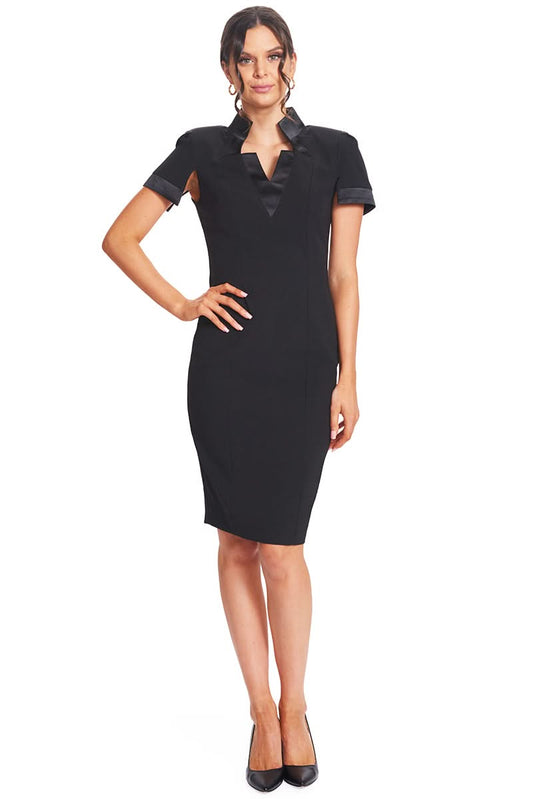
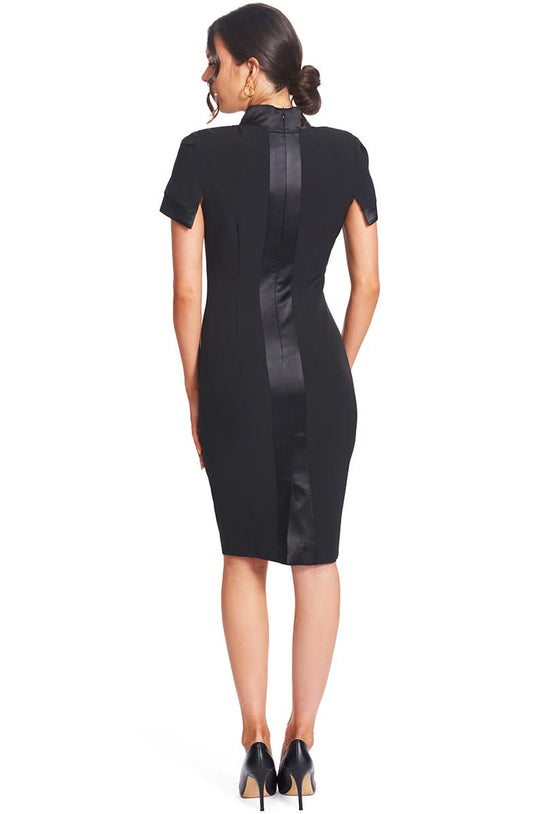
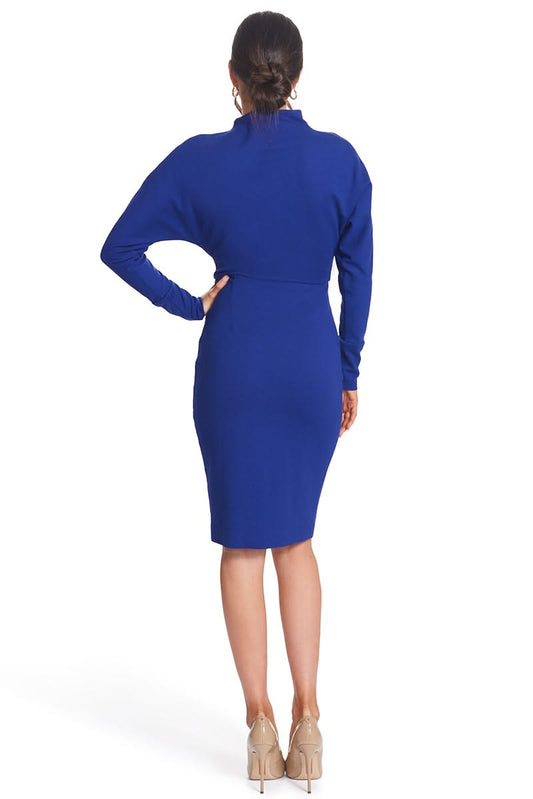
When shopping online, use the brand's size chart and fit notes rather than guessing. Our Nicola Sheath Dress, for example, is cut in ladies missy sizing with a 43-inch length measured from a size 4, so you can compare it against a garment you already own and know where the hem will land before it arrives.
Nicola Sheath Dress - Elbow sleeve, notch neck Ponte dress with contrast velvet →
Balancing Elegance and Function: Day-to-Night Transition and Modest Necklines
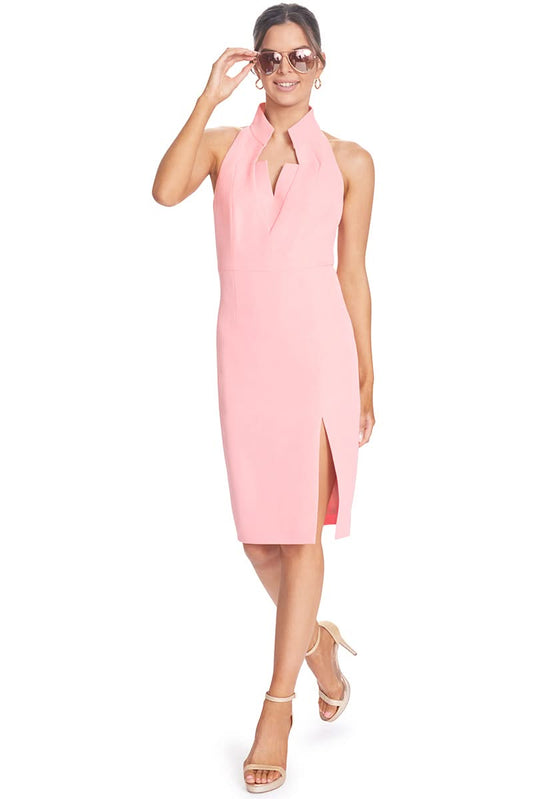
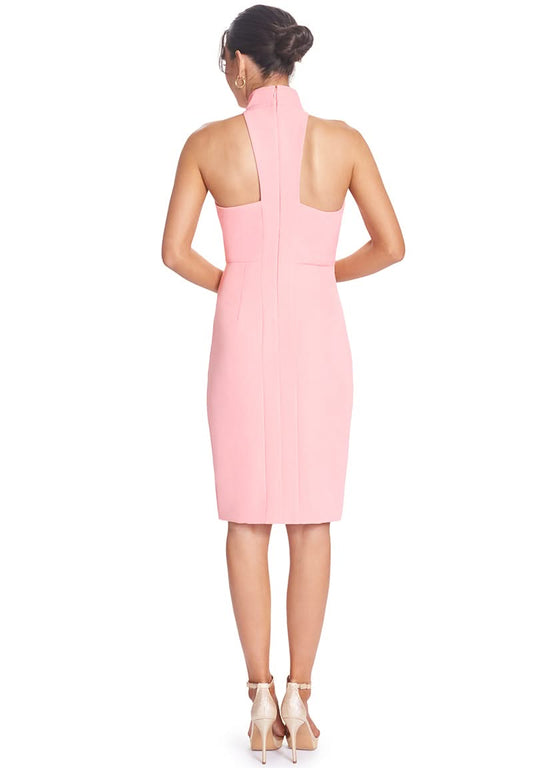
Elegance and function are not opposites when a garment is designed for both. Day-to-night comes down to styling, not a full outfit change: a modest neckline such as a notch neck or high collar keeps a dress office-appropriate while reading as sophisticated, then swap pumps for heels, add minimalist jewelry, and restyle a layer. Our Convertible Blazer transforms between a long tailored blazer, a half-zipped street-style look, and a cropped blazer with a single zip, one piece for the boardroom and the dinner reservation, fewer garments, more outfits.

Budget-Conscious and Sustainable Ways to Invest in Structured Office Wear
When people ask why invest in structured feminine office wear, "investment" and "sustainable" are usually treated as separate conversations. They are the same one: the most sustainable garment is the one you wear for years, and the most budget-friendly is the one whose cost per wear drops every time you put it on.
The cost-per-wear math, done properly
Cost per wear (CPW) is purchase price divided by wears. The formula is simple; the discipline is estimating wears honestly.
| Garment | Price | Realistic wears | Cost per wear |
|---|---|---|---|
| Fast-fashion blazer | $60 | 15 (loses shape, pills) | $4.00 |
| Mid-tier structured blazer | $180 | 80 (holds shape 2-3 years) | $2.25 |
| Premium structured blazer | $350 | 200 (holds shape 5+ years) | $1.75 |
The premium piece wins, but only if fabric and construction hold up. A $350 blazer that pills after 20 wears is worse than the $60 one. The math rewards longevity, not price.
What you are actually paying for
- Fabric content. Wool blends, ponte, scuba, and stretch crepe resist sagging and pilling; cheap polyester blends and unlined knits do not. Read the tag, not just the feel.
- Construction. A fully lined garment drapes better, slides on without stretching, and lasts longer. Look for a back vent, a defined shoulder, and finished seams.
- Fit adjustability. A garment with seam allowance can be tailored; one cut to the edge cannot.
The tailoring multiplier
People who dress well on a budget buy mid-tier structured pieces and tailor them. A $40-$60 alterations bill (hem, waist take-in, sleeve length) on a $180 blazer rivals a $500 off-the-rack fit, the highest-return dollar in a structured wardrobe, and the most sustainable, since you extend the life of a garment you already own.
The 5-to-7 staple capsule
A capsule of five to seven structured staples covers the vast majority of professional occasions:
- One tailored blazer (neutral: navy, black, charcoal, or camel)
- Two sheath or midi dresses
- One pair of tailored trousers
That is roughly seven garments. If each averages 40 wears a year, that is 280 wears annually from a single capsule, which is why buying fewer, better pieces beats buying more, cheaper ones.
Sustainable sourcing without the greenwashing
The sustainability angle in structured wear is not a label; it is longevity. Three filters:
- Fabric that holds its shape is inherently more sustainable than fabric that does not, because it delays replacement.
- Classic silhouettes outlast trend cycles. A structured sheath in a neutral color is wearable for a decade; a trend-driven cut is not.
- Care that preserves the garment. Dry cleaning with care, or hand washing cold and laying flat to dry, extends shape retention far beyond machine drying.
A budget-conscious buying checklist
- Set a per-piece budget that reflects cost per wear, not sticker price
- Buy versatile pieces that cover at least three occasions
- Confirm fabric content and lining before you buy
For shoppers weighing the premium, it helps to know what you are paying for. Simona Maghen offers free ground shipping and free exchanges on all U.S. orders, so trying a structured piece and adjusting the fit carries no extra cost.
Frequently Asked Questions
What defines structured feminine office wear?
Structured office wear uses intentional garment construction, think shoulder pads, defined waists, clean lines, and fabrics that hold their shape, to create a polished silhouette. Feminine details like velvet bands, ruffle hems, or satin trim soften the tailoring so it reads elegant rather than severe. A sheath dress with a notch neck and velvet belt, or a notch-lapel blazer with seamed sleeves, are classic examples. The goal is clothing that keeps its form through a full workday and still looks refined at an evening event.
How does professional attire impact workplace confidence?
Research from Virginia Commonwealth University examined how employees' fashion choices at work influence supervisors, and a 2024 Style Space report surveyed more than 700 women about how clothing relates to mood and quality of work. The direction of the findings points to a real link between what you wear and how you show up. Practically, structured pieces reduce morning decision fatigue and help you feel composed before high-stakes meetings, which shapes how you carry yourself in the room.
Why is quality tailoring a better investment than fast fashion?
Fast fashion pieces are built for a season; structured pieces are built for years. Consider cost per wear: a $146 convertible blazer worn twice a week for two years costs about $1.40 per wear, while a $40 blazer that loses its shape after ten wears costs $4 per wear. Add free exchanges and free ground shipping on U.S. orders, and the barrier to getting the fit right drops further. Quality tailoring also holds resale and alteration value that fast fashion never does.
How do you balance femininity and professionalism in a corporate setting?
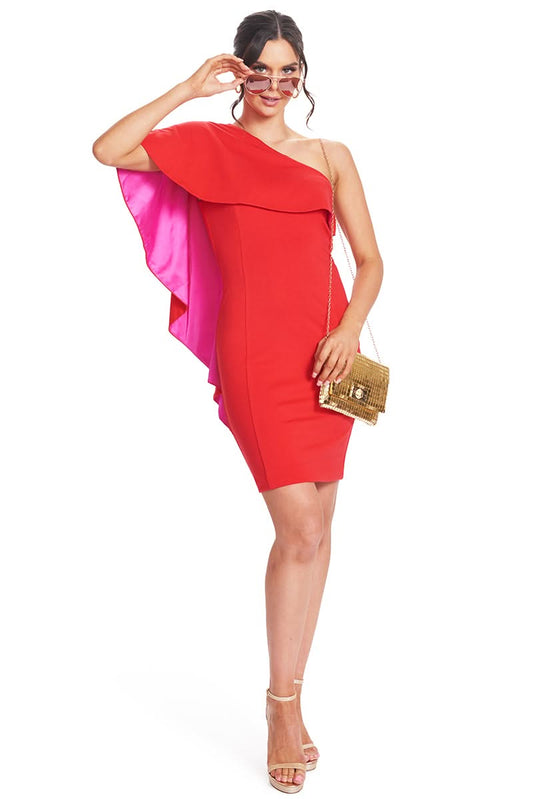
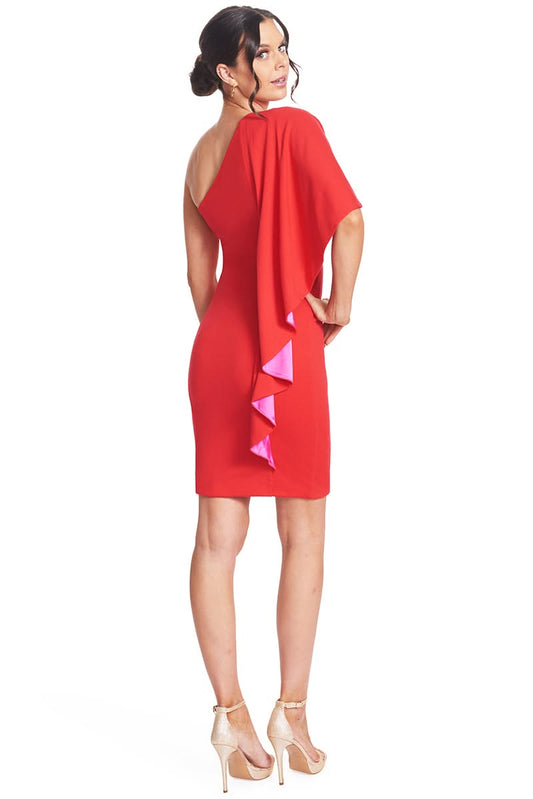
Balance comes from pairing structured silhouettes with one or two feminine details rather than piling on both. A pinstripe dress with a self-belt and cap sleeves, or a midi dress with satin bands and a modest notch neckline, reads professional first and elegant second. Keep jewelry minimalist, choose closed-toe pumps in a neutral or coordinating color, and let the garment's construction do the talking. The result is executive presence without losing personal style.