



















7 Steps to Maintain Professional Dresses for Long-Term Wear
Last Updated: November 9, 2026
Quick Summary
To keep professional dresses looking sharp long term, read the care label first, air them out between wears, store each fabric correctly on padded hangers or folded, and clean them every three to five wears or after any stain. Treat spots early and repair loose threads or seam splits promptly.
- Read the care label and test any stain product on a hidden seam before first wear.
- Hang structured dresses on padded hangers and fold ponte and knit pieces flat.
- Clean dresses after three to five wears, after any stain, and before seasonal storage.
- Blot stains instead of rubbing, and never iron over a stain or sequin.
- Trim loose threads and repair seam splits early, since a repair costs far less than replacing a dress.
Table of Contents
- Why Professional Dresses Need a Maintenance Routine
- Step 1: Read the Care Label Before Your First Wear
- Step 2: Build a Between-Wear Routine That Protects the Fabric
- Step 3: Learn How to Store Professional Dresses
- Step 4: Choose Cleaning Frequency and Professional Cleaning Wisely
- Step 5: Handle Stains, Pilling, and Repairs Early
- Business Casual Dress Code for Women: Pairing Your Maintained Dresses
- Extending the Life of Work Dresses: Your Next Steps with Simona Maghen
- Frequently Asked Questions
Why Professional Dresses Need a Maintenance Routine
Your professional dresses carry a lot of weight. They walk into client meetings, board presentations and evening events, and they need to look polished every time. Many women treat them as an investment piece.

A small routine goes a long way. Simona Maghen designs its dresses with intentional structure and feminine elegance, so proper care helps them keep their shape. Think of maintenance as protecting the shape, color and fabric you paid for.
Why maintenance matters:
- Structured silhouettes lose their shape when stored or washed poorly
- Knit and ponte fabrics can pill or stretch with rough handling
- Regular care keeps dresses looking fresh between wears
- Good habits cut the number of trips to the dry cleaner
Here is the seven-step routine this guide covers. Start with the care label, then work through wear, storage, cleaning and repairs.
Step 1: Read the Care Label Before Your First Wear
The care label is the fastest way to protect a dress. It tells you exactly how the fabric should be handled, and ignoring it is the most common cause of early damage.
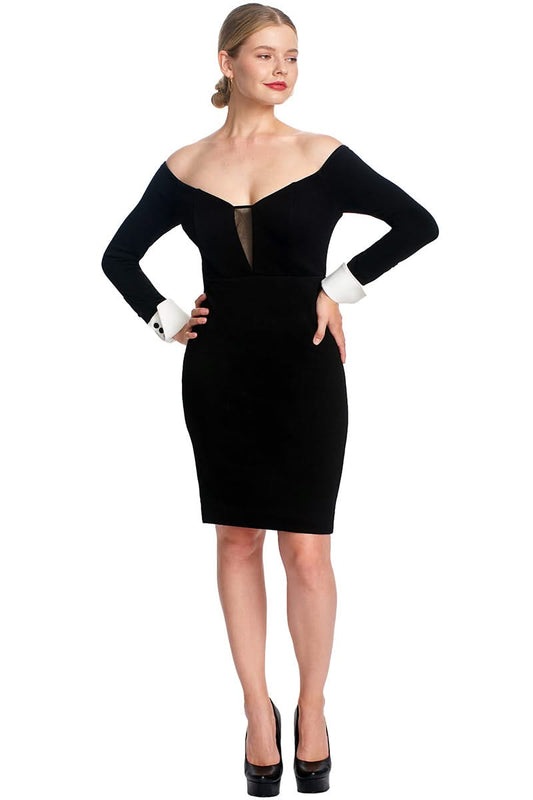
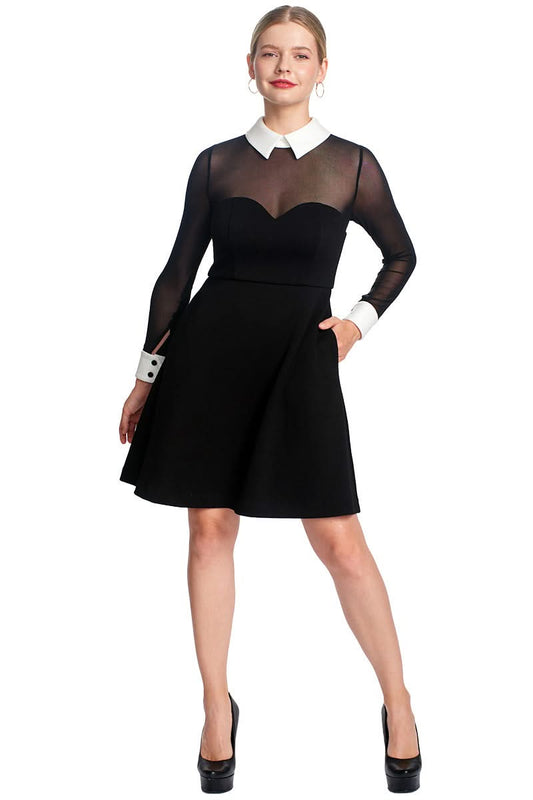
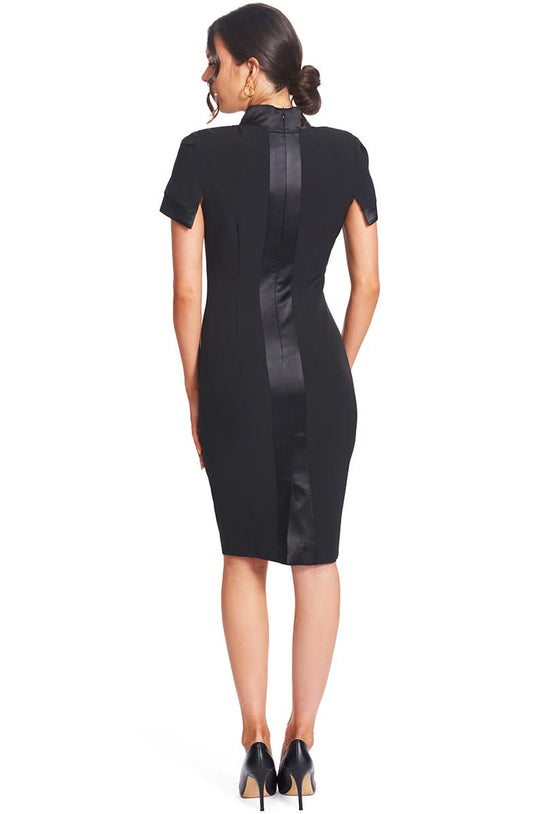
The Adeline Sheath and Homa Dress carry a dry clean with care instruction, and their rayon, nylon and spandex ponte fabric is best cleaned by a professional rather than tossed in a home washer.
Check these details first:
- Fabric content listed on the label
- Washing and drying symbols
- Ironing limits, including heat level
- Any note about dry cleaning
Read the label before you wear the dress the first time. Test any stain removal product on a hidden seam before using it on the visible front. A quick check now saves a lot of repair work later.
Step 2: Build a Between-Wear Routine That Protects the Fabric
Not every wear needs a trip to the cleaner. Between wears, a simple routine keeps the dress fresh and extends the time before deep cleaning is needed.
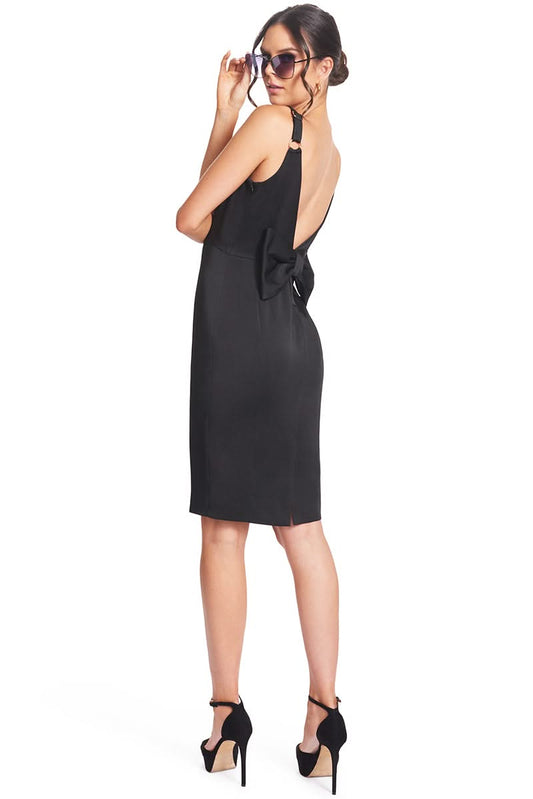
Let the dress rest between wears so the fabric can relax. A ponte knit midi sheath with bow back detail is a good example of a dress that suits this kind of routine. Hang it on a padded hanger so the shoulders keep their line.

A simple between-wear routine:
- Air the dress out after each wear, away from direct heat
- Spot clean small marks with a damp cloth
- Brush lint or pet hair off with a soft clothes brush
- Keep deodorant and perfume off the fabric
Pay extra attention to underarms, where odor and product buildup can build up between cleanings.
Step 3: Learn How to Store Professional Dresses
Storage is where many good dresses get ruined. Crowded closets crease fabric, humidity leaves a musty smell that is hard to remove, and the wrong hanger can leave shoulder bumps that never press out. The fix is to store by fabric type, not by whatever space is left on the rod.
Start with hangers. Structured dresses need wide, padded or shaped hangers that support the shoulder line. Thin wire hangers concentrate weight on two points and leave permanent bumps in wool, ponte and lined fabrics. Leave a finger's width of space between garments so air can move and creases can relax.
Store by fabric, not by convenience:
- Wool and wool blends: Hang on padded hangers in a breathable garment bag. Wool needs air circulation, so avoid sealed plastic. Fold rather than hang heavy knits to prevent shoulder stretch.
- Silk and silk blends: Hang or roll in acid-free tissue, keep out of direct sunlight, and never store in plastic, which traps moisture and can yellow the fabric.
- Viscose and rayon: These drape beautifully but stretch under their own weight. Fold structured pieces and hang only short-term.
- Ponte and knit blends: Fold flat in a drawer or shelf, because hanging pulls the knit out of shape over months.
- Polyester and polyester blends: The most forgiving. Hang on shaped hangers, keep away from heat sources, and they hold their line well.
For seasonal storage, clean the dress first, since stains left in place can set over time.
Keep stored dresses in a cool, dry closet, out of direct sunlight, and check them periodically for musty smells.
The table below sums up how each fabric should be stored so it keeps its shape between wears.
| Fabric | Storage method | Key precaution |
|---|---|---|
| Wool and wool blends | Padded hangers in a breathable garment bag | Avoid sealed plastic |
| Silk and silk blends | Hang or roll in acid-free tissue | Keep out of direct sunlight |
| Viscose and rayon | Fold structured pieces; hang only short-term | Stretches under its own weight |
| Ponte and knit blends | Fold flat in a drawer or shelf | Hanging pulls the knit out of shape |
| Polyester and blends | Shaped hangers away from heat | Most forgiving of the group |
Step 4: Choose Cleaning Frequency and Professional Cleaning Wisely
Cleaning too often wears out fabric. Cleaning too rarely lets soil and odor build up. The right rhythm depends on how often you wear the dress and how it is used.

Dresses often need professional cleaning after several wears, or sooner if a spill happens. Use a dry cleaner who knows delicate knits and structured garments, and ask them to handle the fabric gently.
How often to clean:
- After 3 to 5 wears for dresses worn often, or sooner if they smell
- After any visible stain, spill or perspiration build-up
- Before seasonal storage, always
A dress labeled dry clean only should be cleaned by a professional.
Step 5: Handle Stains, Pilling, and Repairs Early
Small problems are easier to fix when addressed early.
Treat stains as soon as you notice them. Blot, do not rub, and avoid hot water or heat, which can set the mark. The right approach depends on the fabric.
Fabric-specific stain and repair guidance:
- Wool and wool blends: Blot gently with cool water and a mild wool-safe detergent. Never rub, which felts the fiber. For oil-based marks, a small amount of cornstarch lifted off after a few minutes can help before any liquid.
- Silk: Use cool water and a drop of mild shampoo, working from the outside of the stain inward. Skip chlorine bleach entirely, and take set stains to a professional rather than risk a water ring.
- Viscose and rayon: These weaken when wet, so support the fabric and blot rather than scrub. Avoid wringing.
- Ponte and knit blends: Blot, then air dry flat so the knit does not stretch. Pilling is normal on ponte, and a fabric shaver used with light strokes removes it without thinning the surface.
- Polyester blends: Generally the most stain-resistant. Cool water and mild detergent handle most marks, but avoid high heat, which can set oil stains permanently.
Repair before replacement:
- Loose threads: Trim close to the fabric, never pull, which can unravel a seam.
- Seam splits and small holes: Repair promptly with matching thread or a tailor. A seam repair is far cheaper than replacing a dress.
- Missing buttons: Keep the spare button that comes with most garments and reattach it before the dress sits unworn.
- Pilling: Remove with a fabric shaver in light strokes, then brush the surface with a soft clothes brush.
- Fading or dulling: Keep the dress out of direct light and rotate it so no single piece is worn every week.
Watch out: never iron over a stain or a sequin. Heat can set the mark and melt delicate embellishments, so bring those spots to a cleaner first.
Plan for lifecycle, not just the moment. A simple cost-per-wear habit can help you decide when a repair or professional cleaning is worth it. Divide what you paid for a dress by the number of times you wear it.
Business Casual Dress Code for Women: Pairing Your Maintained Dresses
A well-kept dress does more than look good on its own. It works across different dress codes, especially when you pair it with the right layers.
A business casual dress code often allows structured dresses that look polished without being too formal. A blazer adds professional structure, and it gives you a second way to wear the same dress.
The Convertible Blazer for Women is a useful choice here. It is a wrinkle-free, 3-in-1 black blazer that you can wear long, zip halfway or crop. It pairs well with a sheath dress for meetings.

Keep these pairing ideas in mind:
- Layer a blazer over a sheath dress for a professional look
- Choose neutral shoes and simple jewelry for office days
- Swap the blazer for a cardigan on relaxed Fridays
- Rotate dresses so no single piece is worn every day
Rotating your wardrobe gives each dress time to rest between wears.
Extending the Life of Work Dresses: Your Next Steps with Simona Maghen
A good maintenance routine stretches the life of every dress you own. Start with the care label, build a simple between-wear habit, store dresses properly and clean them at the right intervals.
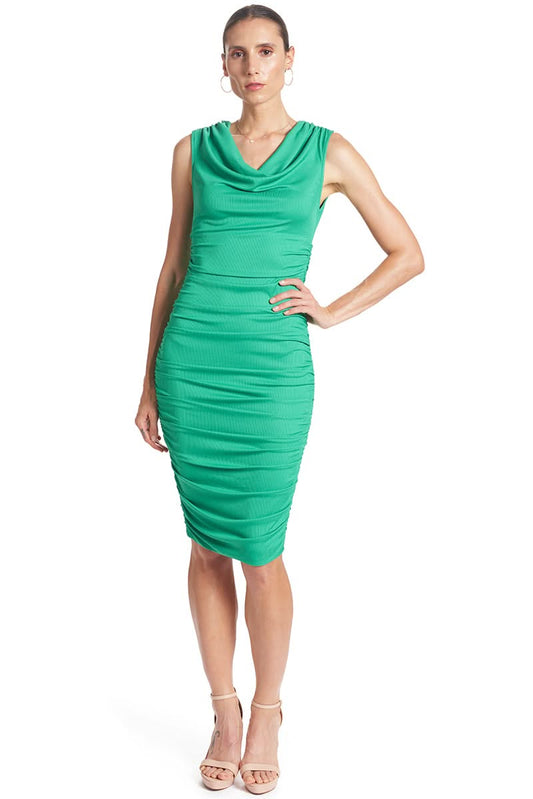
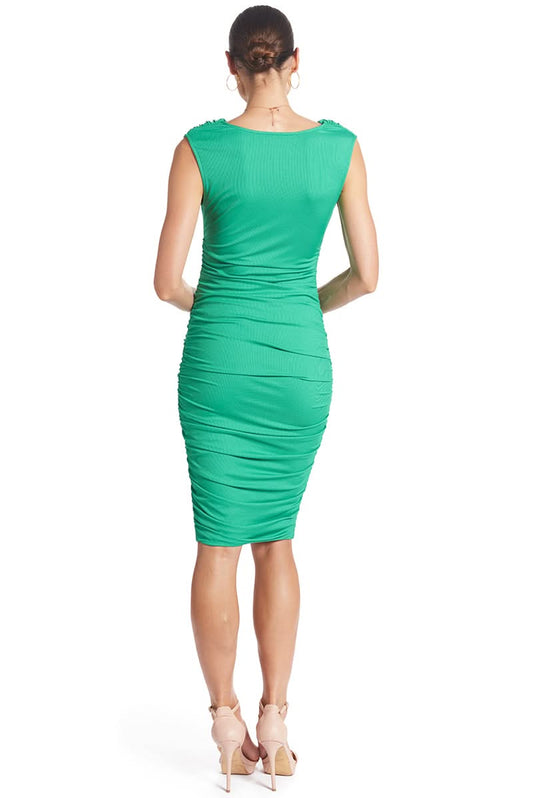
If you are ready to build a longer-lasting work wardrobe, the Homa Dress is a strong place to start. Its red Ponte knit midi sheath has a body-conscious fit and built-in molded cups, and it suits both office and evening events. For a timeless option, the Adeline Sheath in emerald green is a sheath with a front slit and full lining.
For more ideas, read this Best Professional Dresses for Women: 2026 Style Guide and consider alternatives to boring office suits if you want fresh options for your wardrobe.
Frequently Asked Questions
How often should you dry clean professional dresses?
Dry clean only when the garment is visibly soiled or after several wears have built up odor, and follow the care label. The Adeline Sheath in black or emerald green is labeled dry clean with care. Between cleanings, air out the dress after each wear and spot treat small marks promptly.
Is it better to hang or fold professional dresses for long-term storage?
Hang structured dresses on padded or wide hangers so the shoulders and seams keep their shape. Reserve folding for knits or delicate pieces that could stretch on a hanger. Store dresses in a cool, dry closet away from direct sunlight.
How can you prevent pilling and fading on professional dresses?
Store dresses away from direct sunlight, and avoid rubbing them against rough surfaces like bags or bag straps.
What is the best way to remove stains from delicate workwear fabrics?
Because many professional dresses are labeled dry clean only, take stained pieces to a professional cleaner promptly and tell them the type of stain and the fabric content.
