
How to Choose High Quality Fabric for Office Wear
Table of Contents
- What Makes Fabric High Quality for Office Wear
- Natural vs Synthetic Fabrics for Workwear
- How to Identify High Quality Clothing Materials
- Breathability and Moisture-Wicking for All-Day Comfort
- Wrinkle Resistance and Professional Appearance
- Fabric Care Guide for Office Attire
- Durability, Stretch, and Seasonal Fabric Selection
- Investment vs Budget Fabric Tiers
- Frequently Asked Questions
Last Updated: October 9, 2026
What Makes Fabric High Quality for Office Wear
Understanding how to choose high quality fabric for office wear combines evaluating durability, comfort, and professional appearance. The best fabrics hold their structure through the workday, resist wrinkles without constant pressing, and feel substantial rather than flimsy. At Simona Maghen, every piece should make you feel polished, not just look polished.

Quality starts with fiber content. Natural fibers like cotton, wool, and silk have been industry standards for decades because they perform. Synthetics have their place too, but require different evaluation criteria. What separates investment pieces from disposable ones is how the fabric responds to daily wear, cleaning, and storage.
When you're evaluating how to choose high quality fabric for office wear, you're really asking three questions: Will this hold its shape? Will it stay comfortable all day? Will it look professional in six months, not just six days? The answers depend on understanding what you're actually touching and wearing.
Natural vs Synthetic Fabrics for Workwear
Natural Fiber Advantages
Natural fibers dominate professional wardrobes for reasons beyond tradition. Cotton, wool, linen, and silk each bring specific strengths to the office.
Cotton remains the benchmark. According to Cotton Incorporated's Global Lifestyle Monitor survey, consumers rate cotton as the highest-quality fiber, with 59% identifying it as the "best quality" material.
Wool brings structure and wrinkle resistance that synthetic blends struggle to match. Merino wool adapts to temperature changes, cooler when you're warm and warmer when you're cool, and resists odor naturally so you can wear pieces more often between cleanings.
Silk creates unmatched drape and a refined hand-feel that signals quality immediately, catching light differently than synthetics. Mulberry silk, from silkworms fed exclusively on mulberry leaves, offers superior smoothness and strength.
Linen delivers breathability and a distinctive texture that reads as intentional rather than casual. It wrinkles naturally, which some offices embrace, and improves with age, becoming softer after repeated washing.
Synthetic and Blend Benefits
Synthetics and blends aren't inferior; they're different. Polyester, nylon, and spandex solve problems natural fibers can't address alone.
Polyester provides wrinkle resistance, color retention, and durability that pure natural fibers sometimes lack. A 65% polyester, 35% cotton blend often outperforms 100% cotton professionally because it maintains crisp edges and resists fading after repeated dry cleaning. It also adds elasticity when blended with natural fibers.
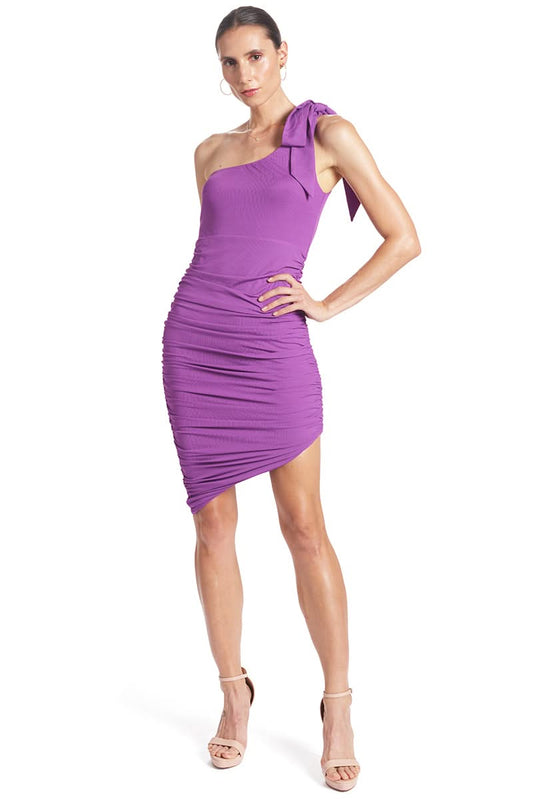
Spandex (elastane) transforms fit and comfort. Even 2-4% creates noticeable stretch and recovery, letting garments move with your body rather than restricting it. This is why ponte knits, typically rayon/nylon/spandex, have become staples in professional dressing, combining rayon's drape with nylon's structure and spandex's flexibility.
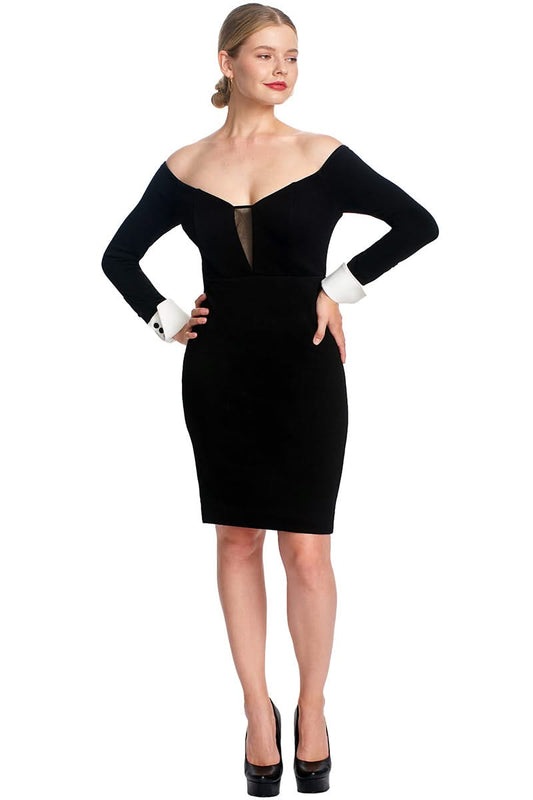
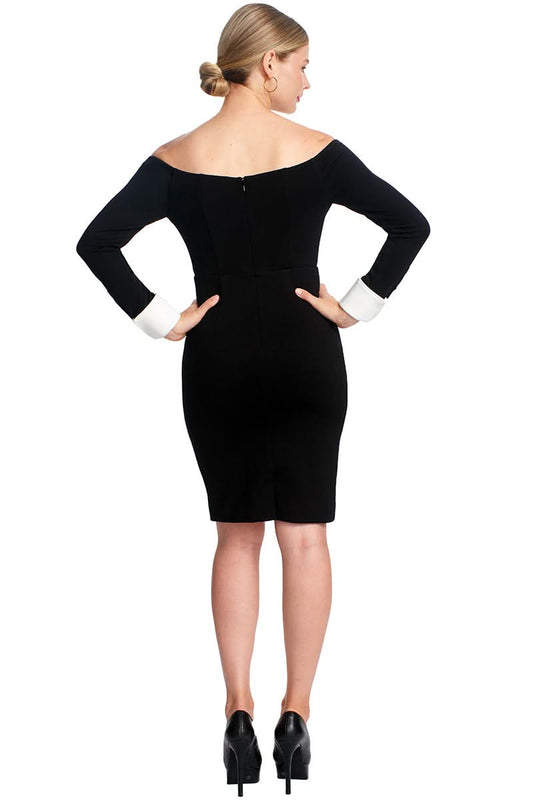
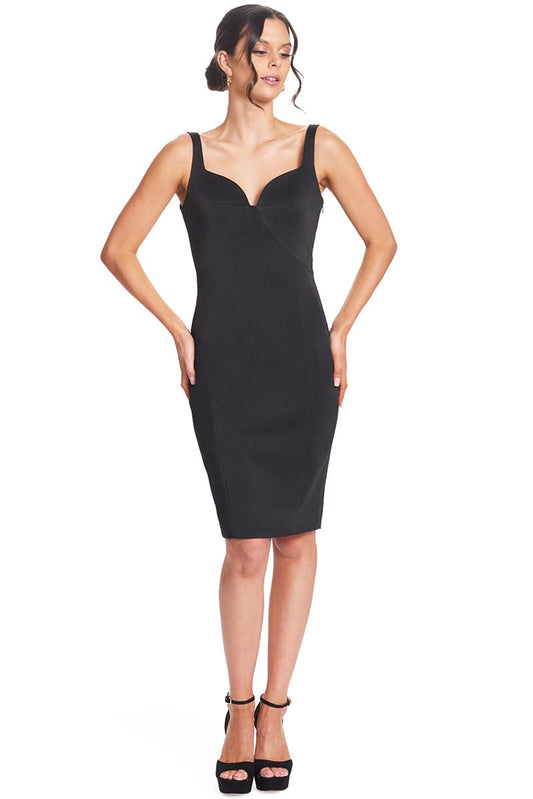
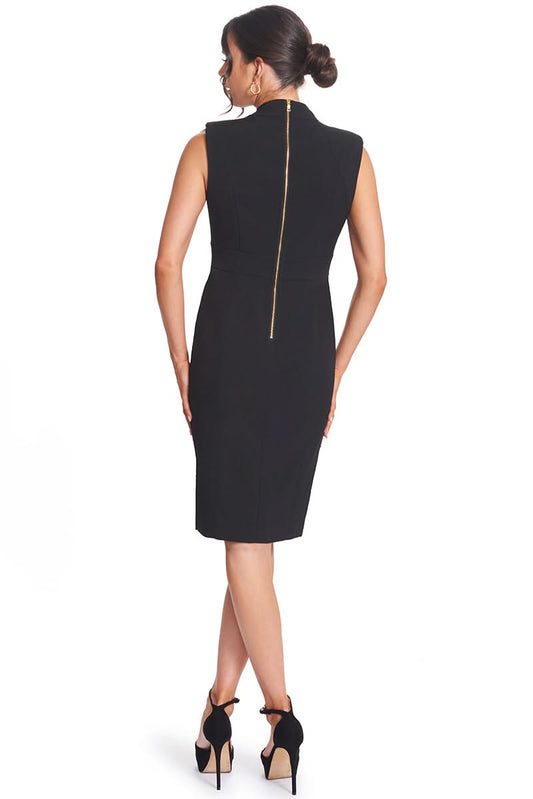
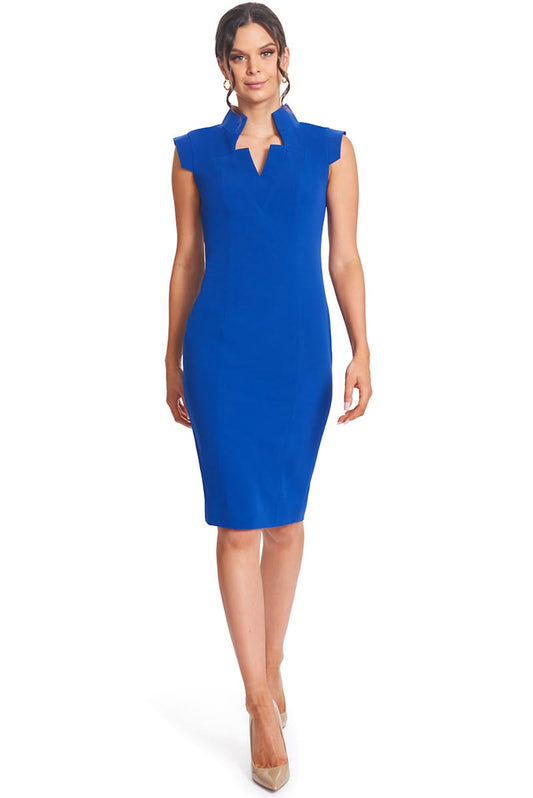
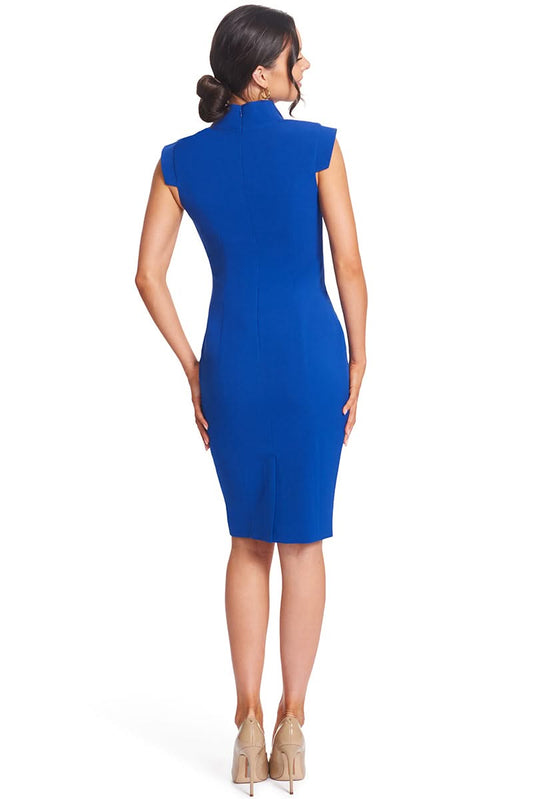
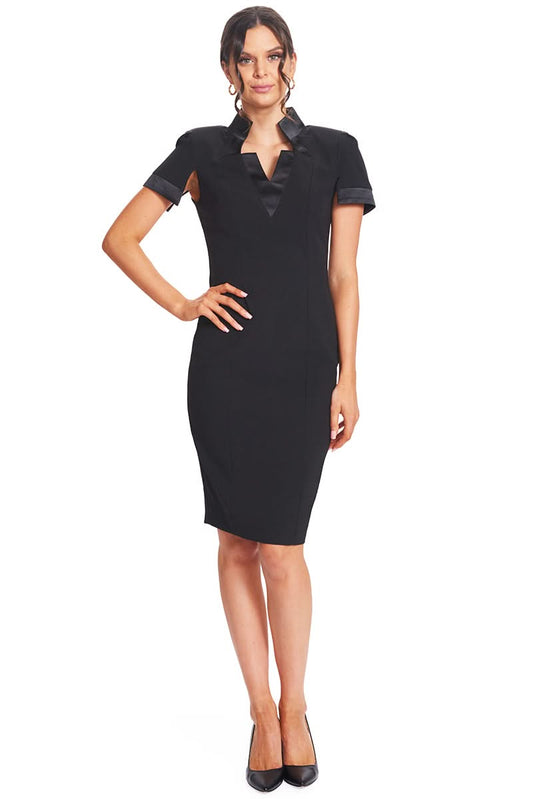
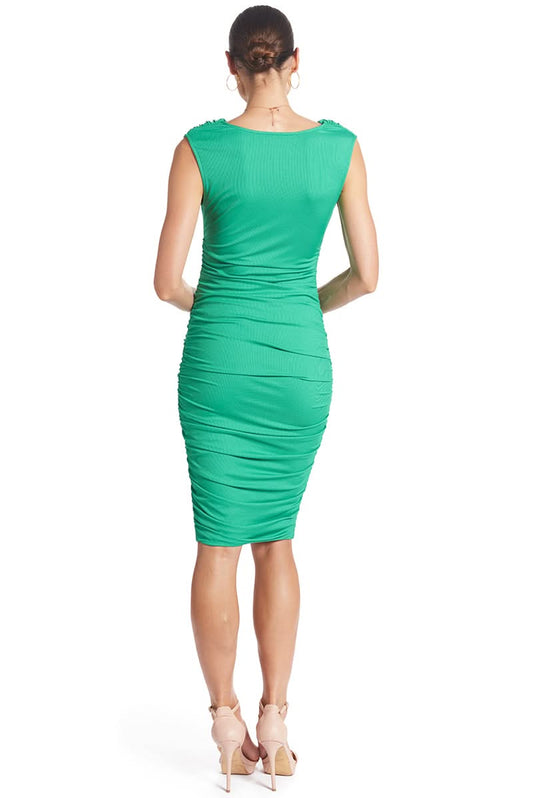
The trend toward blends reflects a practical reality: pure natural fibers sometimes can't deliver the wrinkle resistance, durability, and all-day comfort modern office work demands. The Simona Maghen Nicola Sheath Dress uses a rayon/nylon/spandex ponte fabrication because this blend delivers a polished silhouette with enough give to move through your day.

How to Identify High Quality Clothing Materials
Tactile Testing and Hand-Feel
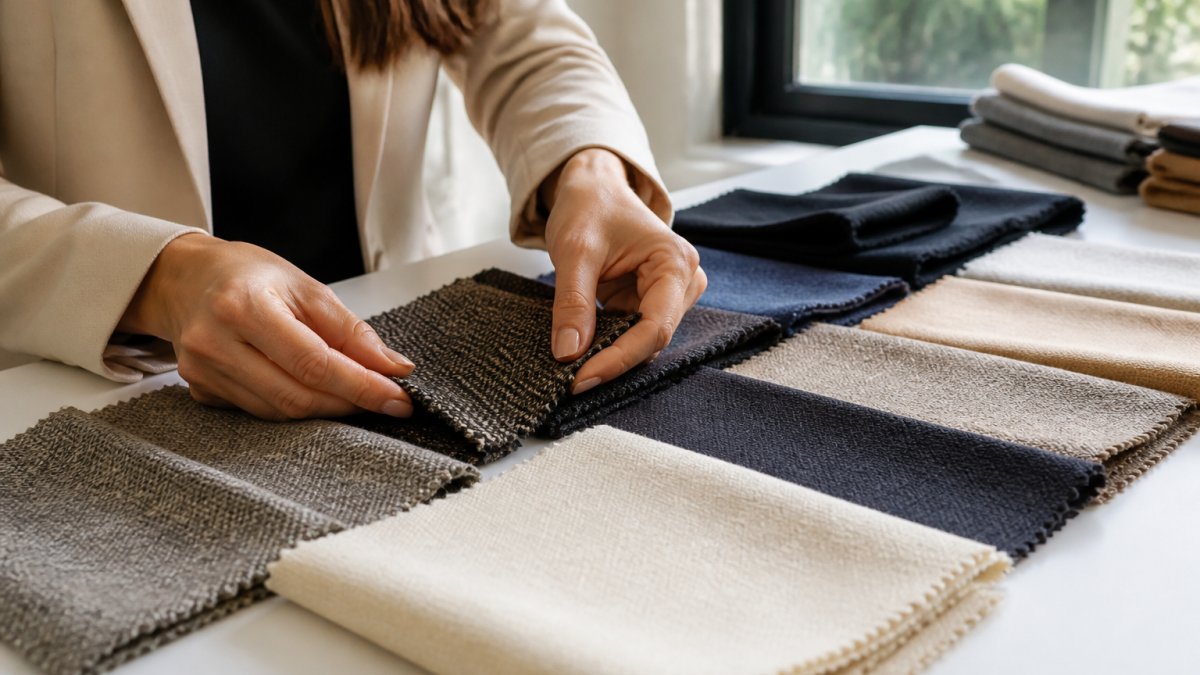
Before you commit to any piece, touch it. Your hands know quality better than your eyes.
High-quality fabric feels substantial, not thin or papery. Run it between your fingers; it should have weight and density rather than feeling like it might tear.
Check for pilling by rubbing the fabric against itself or a rough surface. Quality pieces show minimal pilling; heavy pilling signals loose fibers and quick deterioration with normal wear.
Feel the seams from the inside. Quality construction uses finished seams (bound or french) rather than raw edges; rough, loose seams indicate rushed manufacturing and will fray after a few washes.
Weave Density and Fabric Weight
Fabric weight tells you durability. Measured in grams per square meter (GSM), heavier fabrics generally last longer and feel more substantial.
Lightweight fabrics (under 150 GSM) work for summer but offer less durability for daily office wear. Mid-weight fabrics (150-250 GSM) are the sweet spot for professional clothing, substantial enough to hold shape yet light enough to move comfortably. Heavyweight fabrics (250+ GSM) feel luxurious but can be restrictive.
Weave density matters equally. A tight weave resists pilling, holds color better, and maintains shape longer than a loose weave. Examine the fabric against light; you shouldn't see significant gaps between threads.
According to Lalage Beaumont's professional elegance fabric guide, British wool, mulberry silk, and heritage tweed are recommended for maintaining a crisp, comfortable professional silhouette throughout the workday. These materials share one characteristic: dense weaves that resist distortion.
Breathability and Moisture-Wicking for All-Day Comfort
You can't feel polished if you're uncomfortable. Breathability and moisture-wicking separate fabrics that work for office wear from those that don't.
Natural fibers excel here. Cotton and linen allow air circulation, preventing the clammy feeling synthetics sometimes create.
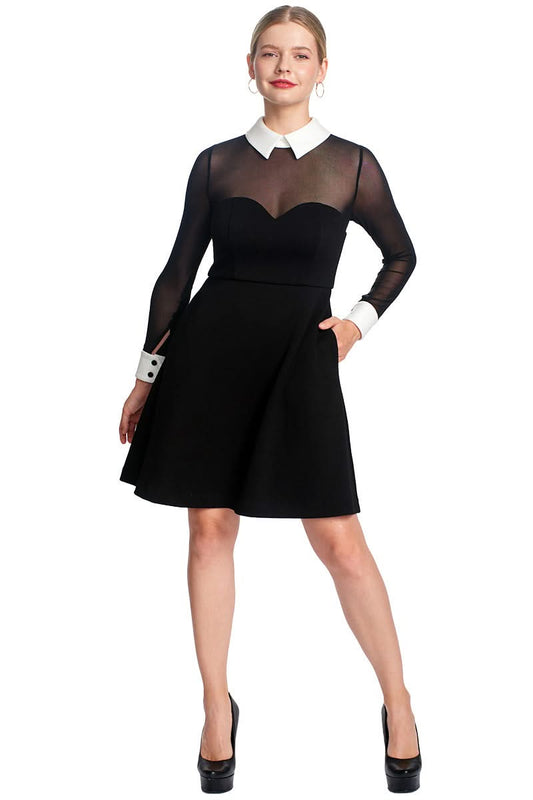
Synthetic blends with moisture-wicking properties use engineered fibers that pull sweat away from your skin; polyester blends often include this feature. The Chelsea Pinstripe Dress from Simona Maghen uses a poly/rayon/spandex blend because it provides breathability while maintaining the crisp appearance professional settings demand.
The key distinction: breathability keeps air moving across your skin, while moisture-wicking pulls sweat away. Quality office fabrics do both. Test by wearing a piece for a full workday; you should feel dry and comfortable at 5 PM, not damp or restricted.
Wrinkle Resistance and Professional Appearance
Wrinkles undermine even the finest fabrics. A silk blouse pristine at 8 AM but creased by 10 AM won't serve your professional image.
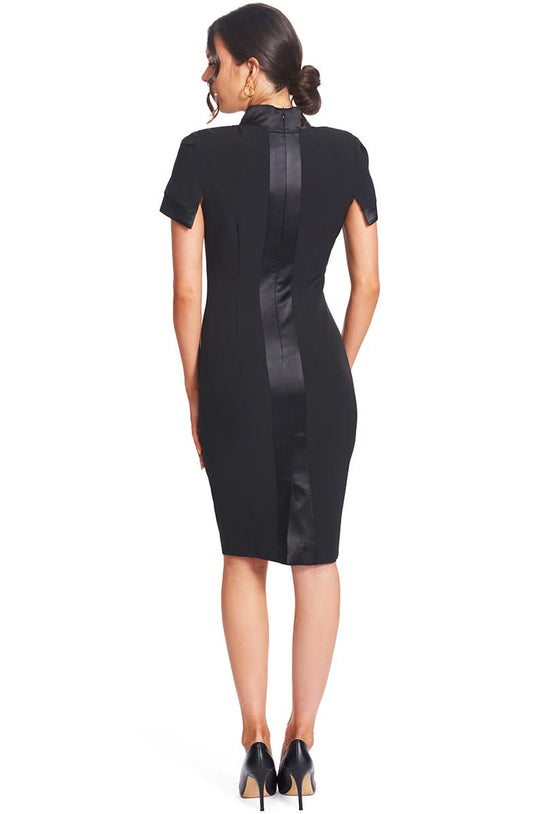
Nicola Sheath Dress - Elbow sleeve, notch neck Ponte dress with contrast velvet →
Natural fibers wrinkle easily unless blended with synthetics. Pure cotton wrinkles significantly; adding 35-50% polyester dramatically improves wrinkle recovery. Wool resists wrinkles naturally, but high-quality wool pieces still benefit from synthetic blending to maintain appearance through a full day.
Wrinkle resistance comes from fiber composition and fabric construction. A tight weave resists creasing better than a loose one, and elasticity (thanks to spandex) bounces back after sitting rather than holding creases. This is why ponte knits, which combine both, have become standard for professional dressing.
The practical test: hang a piece overnight. Quality, wrinkle-resistant fabrics show minimal creasing. Deep wrinkles that don't release mean frequent pressing, which impacts your time and cleaning costs.
Fabric Care Guide for Office Attire
How you treat fabric determines how long it lasts. Quality materials demand appropriate care, but it's usually straightforward.
Most professional pieces require dry cleaning or careful hand washing; check the care label. Dry cleaning preserves structure and color but adds cost. Hand washing works for many pieces: use cool water, gentle detergent, and lay flat to dry.
Storage matters. Hang pieces on quality hangers rather than wire, which create shoulder dimples. Use cedar blocks or lavender sachets against moths without harsh chemicals. Store in a cool, dry place away from direct sunlight, which fades colors. Fold heavy knits rather than hanging to prevent stretching.
Pilling and fading are your main enemies. Wash similar colors together to prevent bleeding. Use a fabric shaver on pills rather than picking at them, which damages surrounding fibers. Rotate pieces rather than repeating the same item, giving fibers time to recover between wears.
Durability, Stretch, and Seasonal Fabric Selection
Stretch Recovery and Daily Movement
Office wear must accommodate your actual body and movement. Stretch fabrics that recover properly let you sit, reach, and move without feeling restricted.
Spandex (elastane) creates this recovery. Even 2-4% allows significant stretch without making a piece feel athletic or casual.
Test stretch recovery by pinching the fabric and pulling gently. Release it; quality pieces snap back immediately. If it stays stretched or returns slowly, the spandex content is too low or fiber quality is poor, meaning your pieces will look sloppy by mid-afternoon.
The Ivy Dress from Simona Maghen uses stretch knit ponte for this reason: the spandex blend allows movement without sacrificing the fitted, polished silhouette professional settings require. You can sit through a four-hour meeting without feeling restricted or looking disheveled when you stand.
Climate-Specific Fabric Choices
Your climate determines which fabrics work best for your office. A wool blend perfect in a cold climate becomes uncomfortable in warm weather.
Cold climates demand heavier fabrics with insulating properties. Wool, tweed, and dense cotton blends trap warmth. Layering becomes your strategy, a lightweight shell under a structured blazer creates flexibility. Merino wool works year-round in cold climates because it regulates temperature even as you move between heated offices and cold outdoors.
Warm climates require lightweight, breathable fabrics. Linen, cotton, and rayon excel here; look for looser weaves that allow air circulation. Lightweight silks work beautifully but require careful handling. Avoid heavy synthetics, which trap heat and create a clammy feeling.
Moderate climates allow flexibility. Mid-weight cotton blends, lightweight wools, and rayon blends work across seasons, forming the foundation of most professional wardrobes without constant seasonal rotation.
| Climate | Best Fabrics | Weight Range | Key Consideration |
|---|---|---|---|
| Cold | Wool, tweed, dense cotton blends | Heavy (250+ GSM) | Insulation and layering capability |
| Warm | Linen, cotton, rayon, lightweight silk | Light (under 150 GSM) | Breathability and moisture-wicking |
| Moderate | Cotton blends, mid-weight wool, rayon | Mid-weight (150-250 GSM) | Versatility across temperature changes |
Investment vs Budget Fabric Tiers
Understanding fabric tiers helps you make intentional purchases rather than defaulting to price alone.
Budget-tier fabrics (under $60 for a dress or top) typically use lower-quality synthetics or thin natural fibers. These pieces serve temporary solutions, experimental styles, or high-risk items, and rarely last beyond one season of regular wear.
Mid-tier fabrics ($60-$120) offer the best value for most professionals, using quality blends that balance durability, comfort, and cost.
Investment-tier fabrics ($120+) use premium natural fibers, exceptional construction, and designer details. These pieces become wardrobe anchors: the blazer you wear for a decade, the dress that transitions from office to evening. The Convertible Blazer ($146) exemplifies this tier, with 96% poly/4% elastane stretch crepe, satin lining, and an innovative 3-in-1 design that adapts across occasions and seasons.

The practical strategy: build your foundation with mid-tier pieces, add one or two investment pieces annually, and use budget tiers only for experimental styles or temporary needs. This maximizes your wardrobe's longevity and daily comfort.
Choosing high-quality fabric for office wear isn't complicated once you understand what to evaluate. Natural fibers, appropriate blends, proper weight, and thoughtful construction create pieces that look professional and feel comfortable through a full workday.
Frequently Asked Questions
What are the most durable fabrics for professional office attire?
Natural fibers like wool, cotton, and linen offer exceptional durability for office wear. Wool provides excellent wrinkle resistance and maintains its shape through repeated wear. High-quality cotton fabrics, particularly pima cotton, resist pilling and hold color well over time. Synthetic blends that combine natural fibers with elastane or polyester add stretch recovery and longevity. The Nicola Sheath Dress uses a rayon/nylon/spandex ponte blend that balances durability with comfort, making it a reliable choice for professional settings.
How can you tell if a fabric is high quality just by touch?
High-quality fabrics feel smooth and substantial without stiffness. Run your hand across the material, premium fabrics have consistent weave density and won't feel thin or flimsy. Check for softness that doesn't come across as cheap; quality natural fibers like merino wool and mulberry silk feel luxurious without being slippery. Examine the fabric's drape by holding it up; well-made fabrics flow naturally. Look for a tight, even weave with no loose threads or pilling. Premium fabrics also feel cool to the touch and breathe naturally.
Which natural fabrics work best for year-round office wear?
Merino wool regulates temperature across seasons, making it ideal for year-round wear. British wool offers crisp, professional drape while maintaining comfort in varying climates. High-quality cotton works well spring through fall, while linen provides excellent breathability in warm months but requires careful maintenance. For year-round versatility, blended fabrics combining natural fibers with a small percentage of elastane (2-4%) provide comfort and movement while maintaining professional appearance. Heritage tweed offers durability and seasonal flexibility for structured pieces.
How does fabric weight affect office wear performance?
Fabric weight, measured in grams per square meter (GSM), directly impacts durability and seasonal suitability. Lightweight fabrics (100-150 GSM) work best for warm-weather office wear but may wrinkle more easily and feel less substantial. Medium-weight fabrics (150-250 GSM) offer the ideal balance for professional attire, providing structure, durability, and wrinkle resistance without excess bulk. Heavier fabrics (250+ GSM) suit cooler months and formal occasions but can feel restrictive in warm offices. Check fabric specifications when shopping to ensure your pieces perform well in your office environment.