

How to Maintain Luxury Garment Longevity
Table of Contents
- Why Luxury Garment Longevity Matters
- Essential Garment Care Tools for Luxury Fabrics
- How to Store Silk and Cashmere Properly
- Washing and Cleaning Protocols for Delicate Fabrics
- Professional Dry Cleaning vs Home Care for Luxury Items
- Protecting Your Investment: Prevention and Repair
- Frequently Asked Questions
Last Updated: October 2, 2026
Why Luxury Garment Longevity Matters
The global luxury apparel market is valued at USD 74.48 billion in 2026, and according to Fortune Business Insights' luxury apparel market analysis, the industry is projected to grow at a compound annual growth rate of 5.74% through 2034. But here's what most luxury shoppers miss: the real value of your investment isn't determined at checkout. It's determined by how well you maintain those pieces over time.
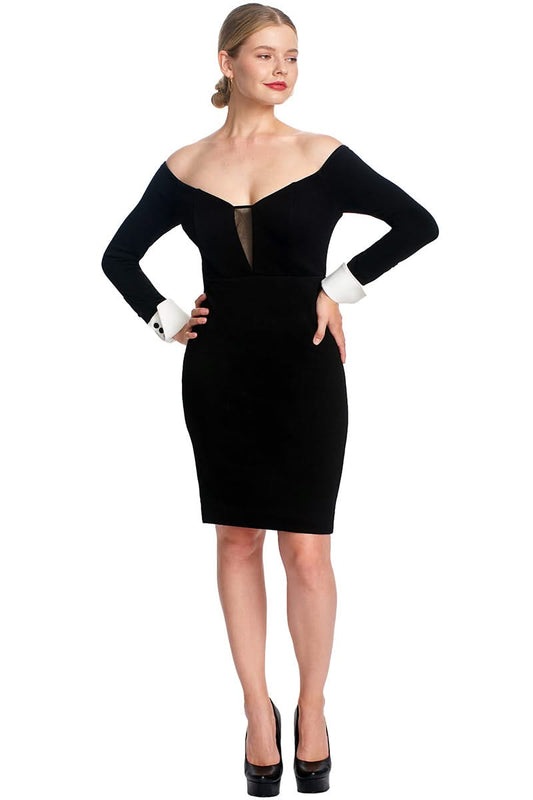
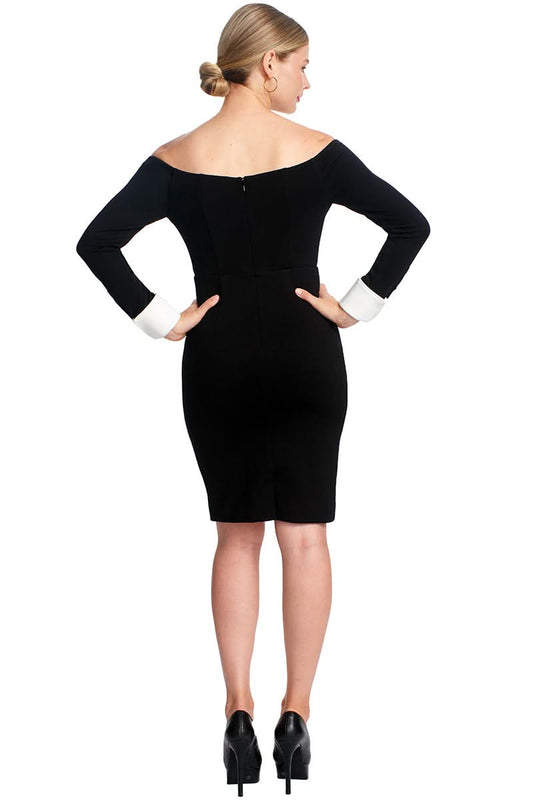
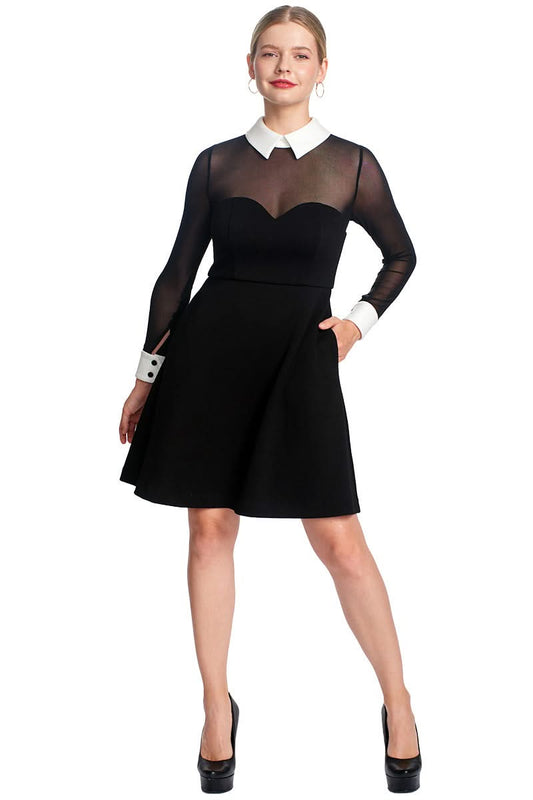
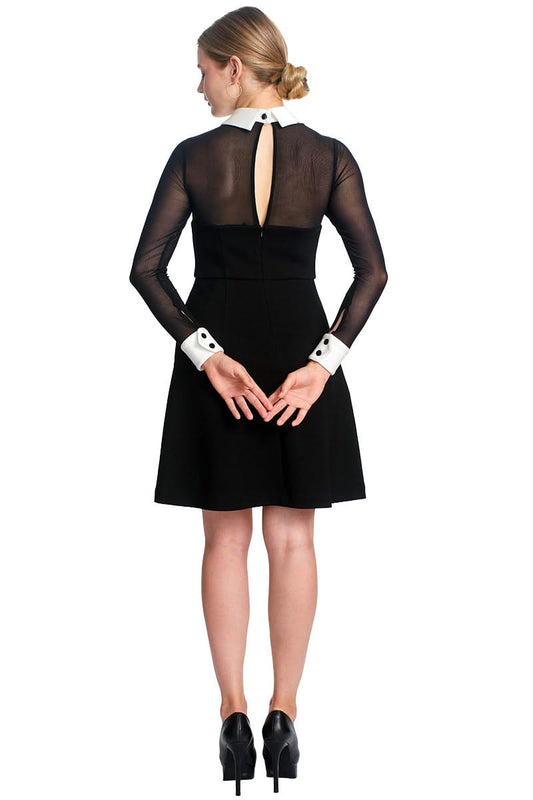
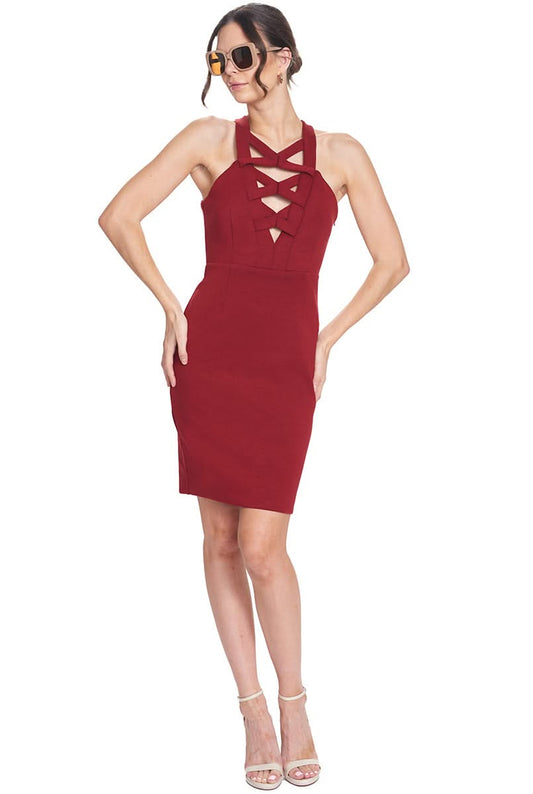
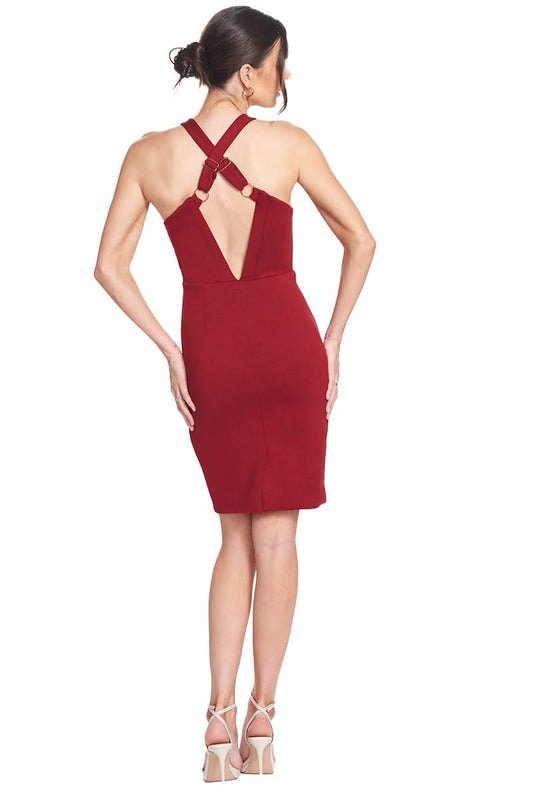
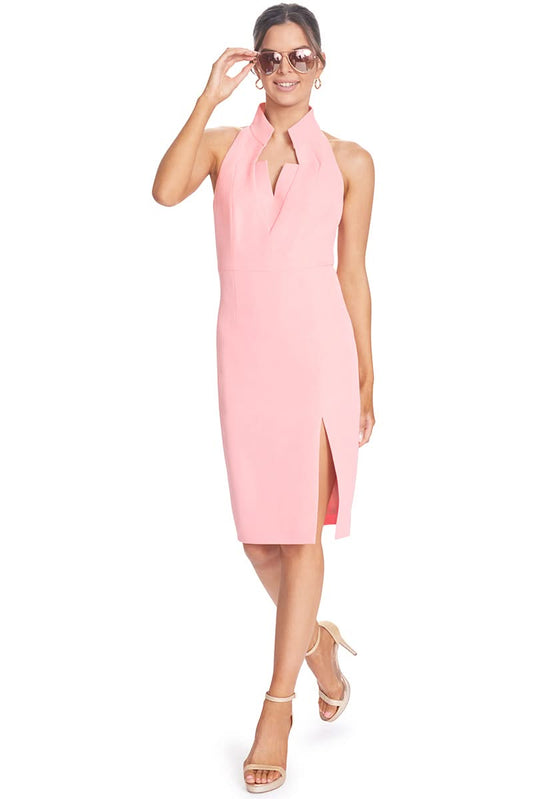
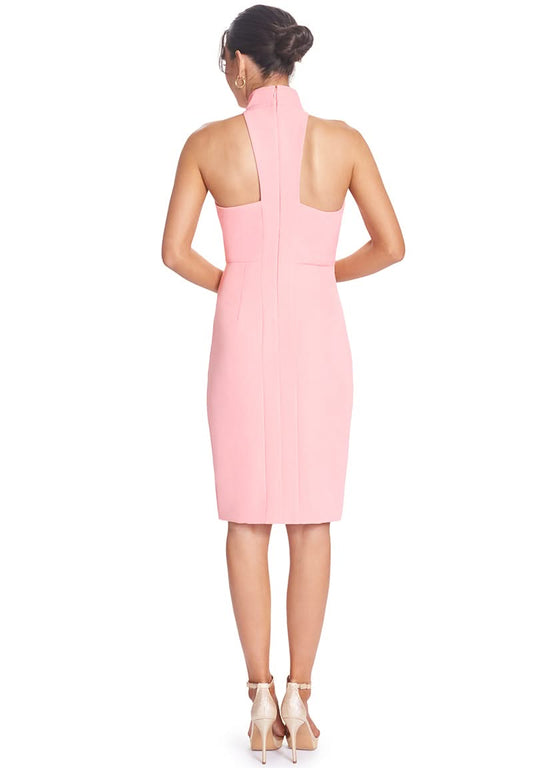
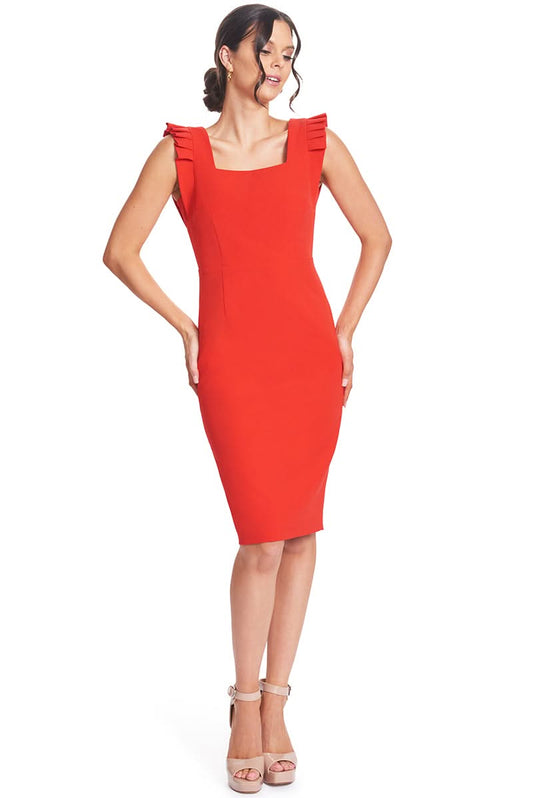
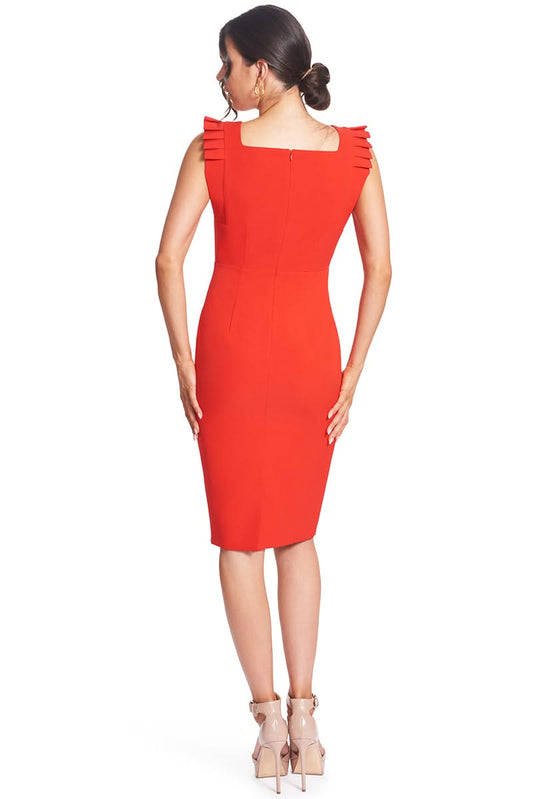
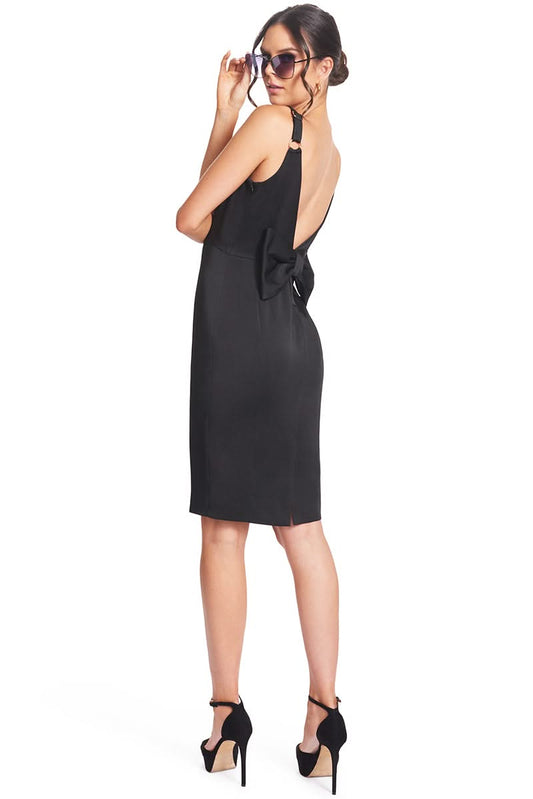
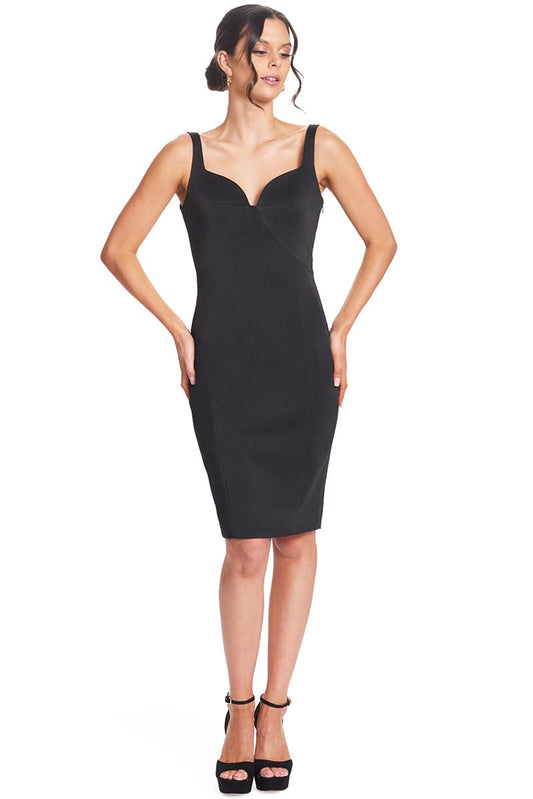
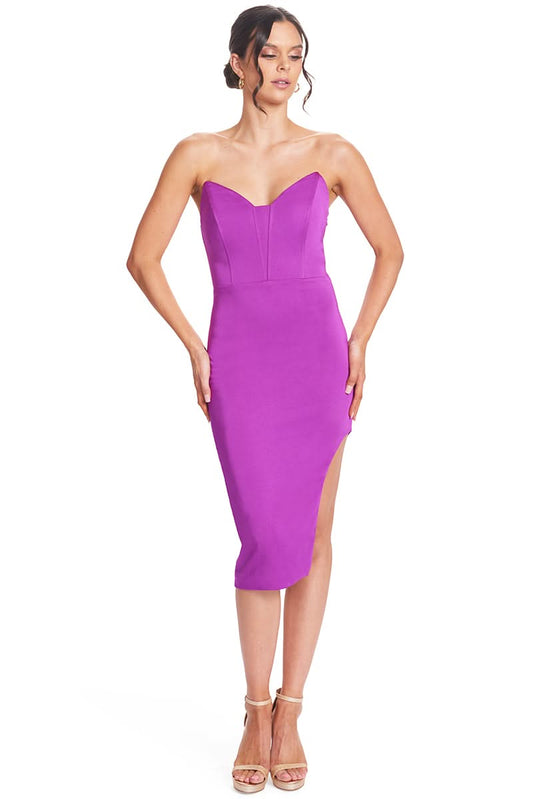
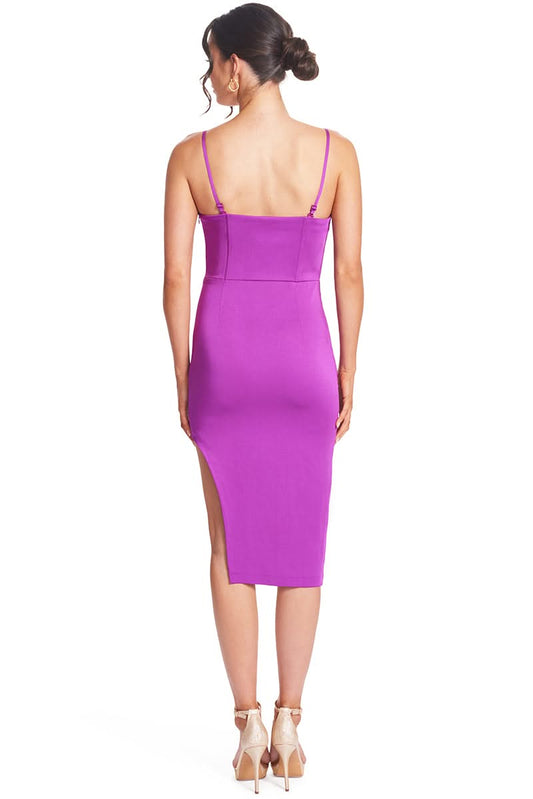
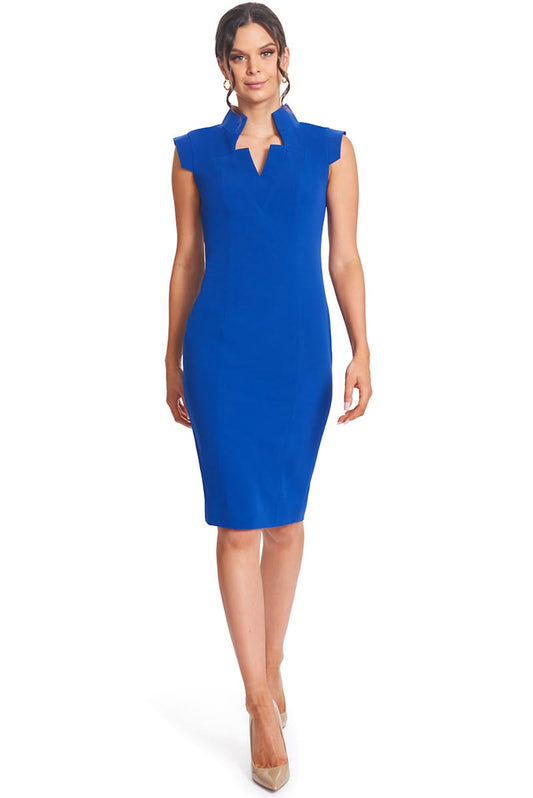
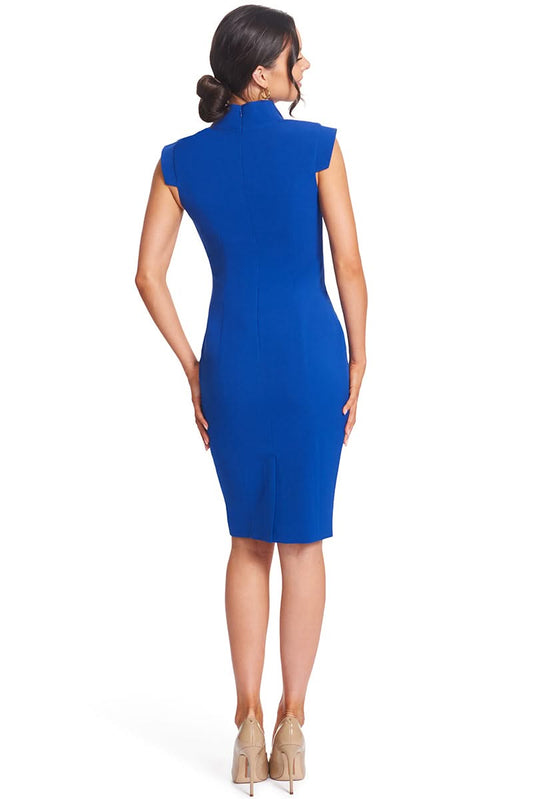
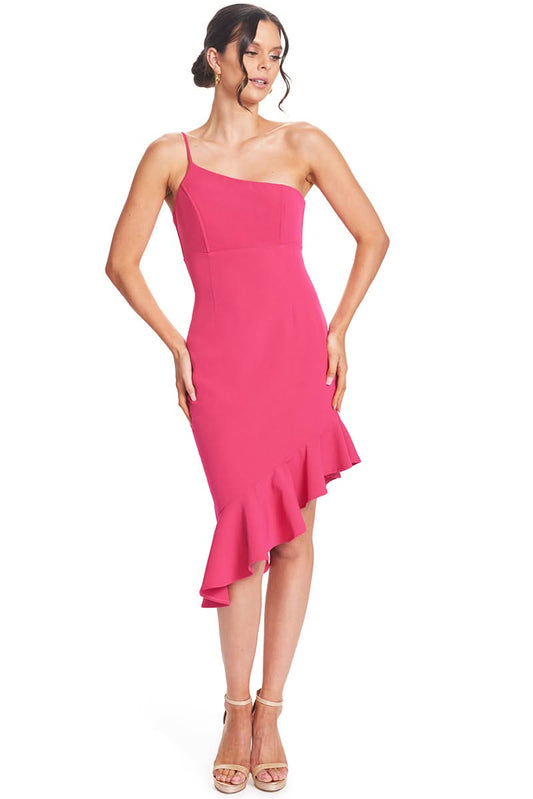
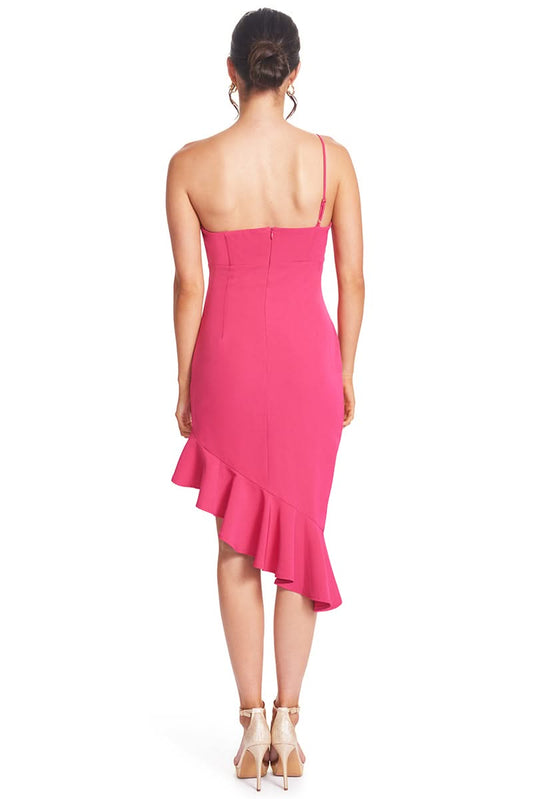
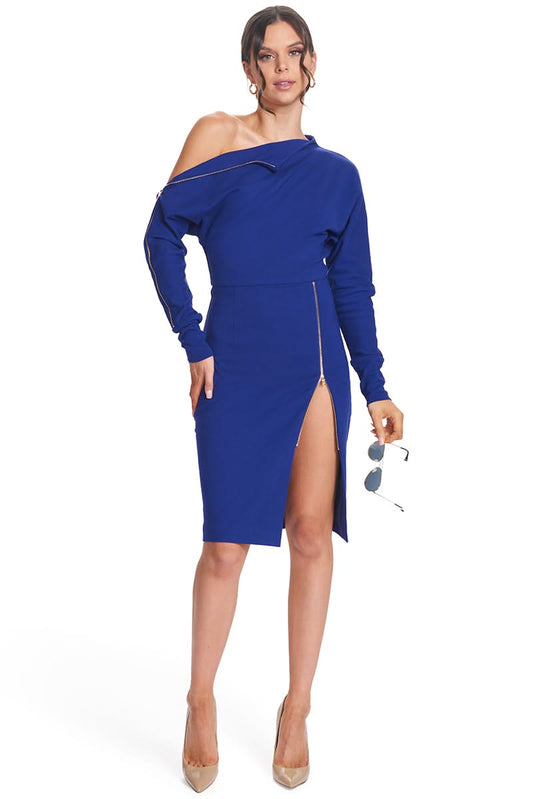
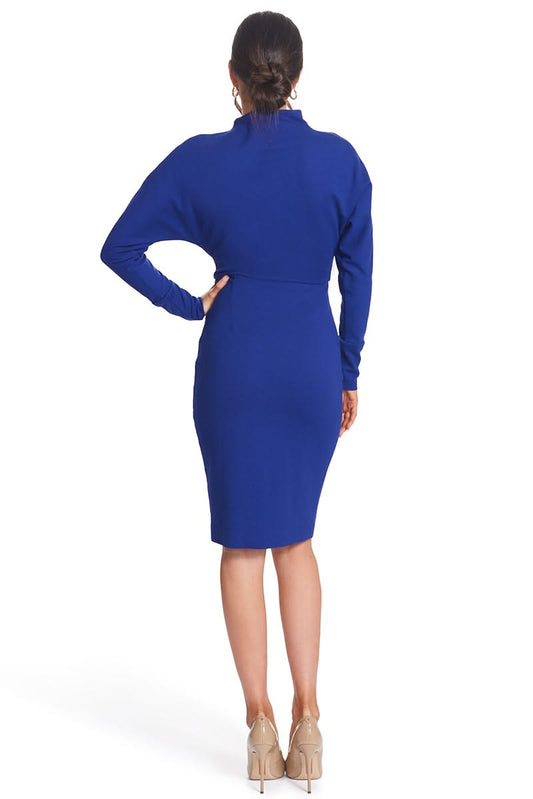
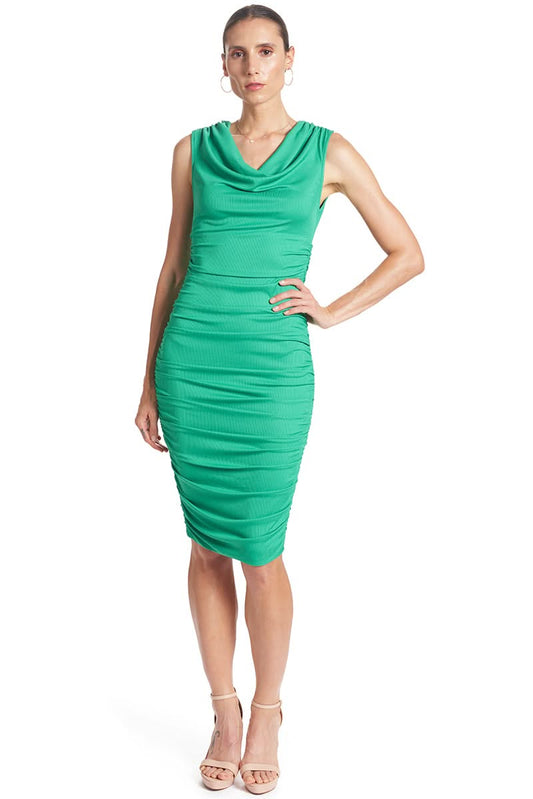
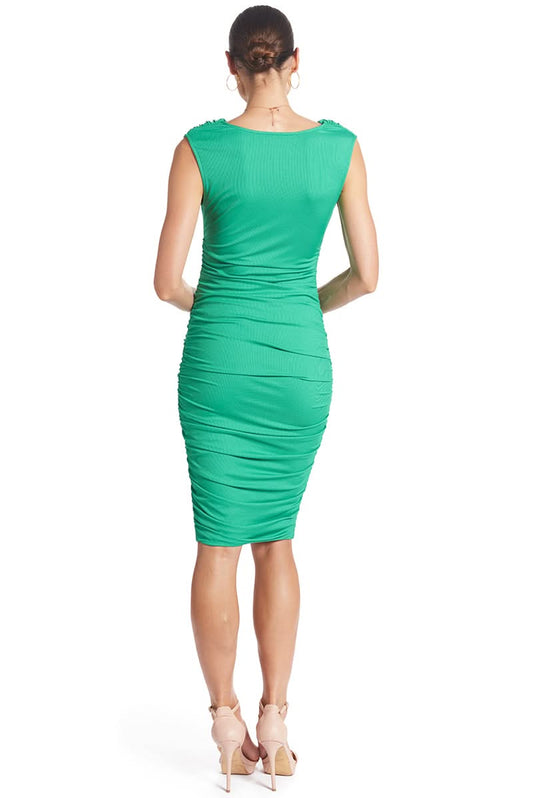
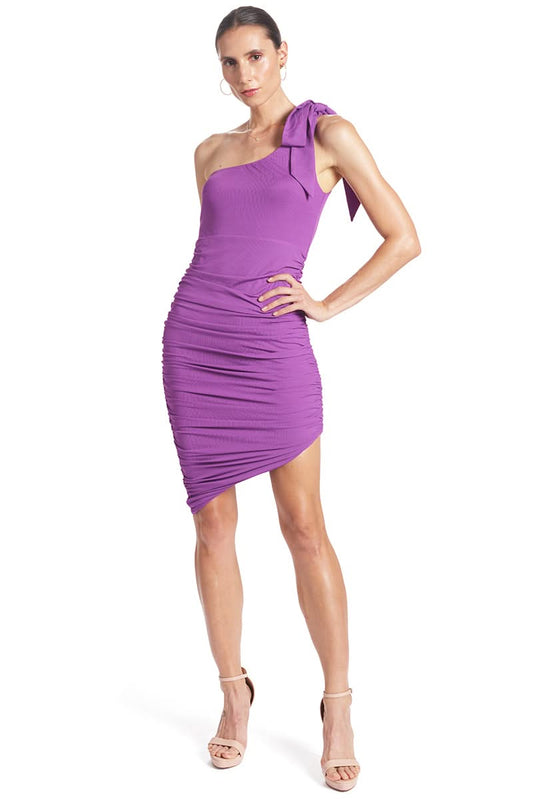
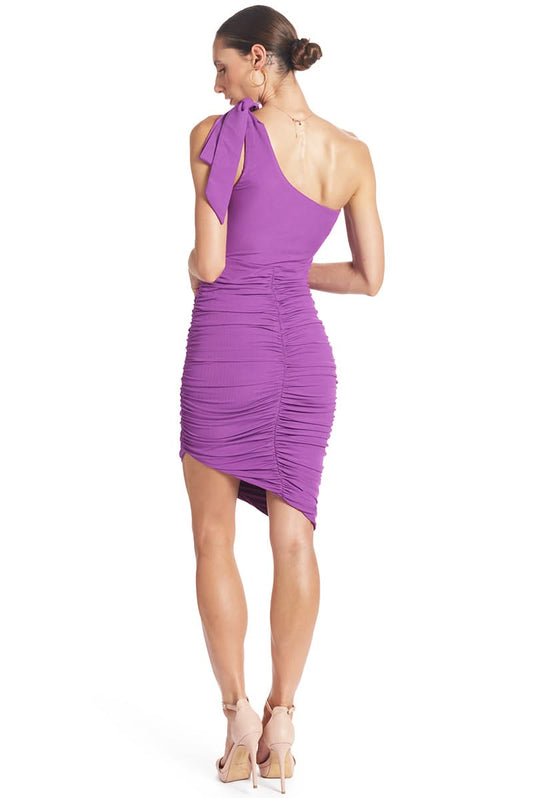
Luxury garment longevity is extending the lifespan of high-end clothing through intentional care, proper storage, and strategic maintenance. When you invest in pieces from Simona Maghen, signature dresses, tops, and skirts crafted with intentional structure and feminine elegance, you're committing to pieces that deserve protection. The difference between five years and fifteen often comes down to decisions made in the first month of ownership.
Research from Nottingham Trent University's study on clothing longevity shows that enhancing clothing longevity requires improved knowledge, skills, processes, and infrastructure. This isn't abstract theory. According to Cotton Incorporated's 2026 Durability Survey, consumers report wearing their clothing for an average of nearly five years before items are considered worn out. That timeline can double or triple with the right approach.
The luxury repair economy has reached USD 525 million in valuation, signaling a fundamental shift in how affluent consumers view their wardrobes. Repair and restoration are no longer afterthoughts, they're central to how luxury pieces maintain their value and beauty.
Essential Garment Care Tools for Luxury Fabrics
You need the right tools, used correctly and consistently. Understanding why each tool matters for specific fibers prevents costly mistakes.
Breathable Garment Bags and Storage Containers
Breathable garment bags are essential for luxury pieces. Unlike plastic dry-cleaning bags, which trap moisture and accelerate hydrolysis (the breakdown of protein fibers in silk and cashmere), breathable bags allow air circulation while protecting against dust and light. Cotton or linen bags work best; plastic creates anaerobic conditions where mildew develops within weeks.
Hangers: Why Structure Matters
High-quality hangers control weight distribution across fibers. Thin wire hangers create stress points, causing permanent shoulder divots and stretched necklines. Instead, use padded hangers (at least 1 inch thick) or wooden hangers with smooth, rounded edges. For heavier pieces, use clip hangers that distribute weight across the waistband or hem. Velvet-covered hangers prevent silk blouses from slipping.
Steamers vs. Irons: Fiber Preservation
A steamer outperforms traditional ironing for luxury garments. Direct iron heat (300-400°F) can scorch protein fibers like silk and cashmere; steam (212°F) relaxes wrinkles without scorching or creating shine marks. A handheld steamer costs under $50. For stubborn wrinkles, hold the steamer 6 inches away and allow the mist to work for 10-15 seconds, then gently smooth with your hand.
If you must iron, use the lowest heat setting with a pressing cloth between iron and garment, never leaving it in one spot for more than 2-3 seconds.
pH-Neutral Detergents and Why Standard Soaps Fail
Keep mild, pH-neutral soap on hand for spot cleaning. Avoid standard laundry detergents; enzyme-based formulas digest protein fibers and surfactants strip natural oils, leaving fibers dull and prone to pilling.
Specialized wool and cashmere detergents are formulated with pH levels (6.5-7.5) that match protein fibers, preventing swelling from alkaline detergents. For silk, use detergents labeled for delicate fabrics. Always test cleaning solutions on an inconspicuous area first to prevent color bleeding.
Natural Moth Prevention Without Chemical Toxicity
Cedar blocks or lavender sachets provide natural moth prevention without the toxicity of naphthalene-based mothballs. Rotate cedar blocks every 3 months as they lose potency. In humid climates, add silica gel packets and refresh monthly by heating in a 250°F oven for 2 hours.
Specialized Tools for Specific Fiber Issues
Keep a cashmere comb on hand for pilling prevention. A fine-toothed comb gently removes pills without damaging underlying fibers. Never pull or cut pills aggressively. Regular gentle combing every few weeks prevents heavy pilling.
For stain removal, keep white cotton cloths (lint-free) and a soft-bristled brush. Microfiber cloths can leave residue on silk; cotton is safer.
How to Store Silk and Cashmere Properly
Silk and cashmere demand specific storage conditions because their fibers are exceptionally vulnerable to environmental stress and chemical degradation. These materials lose strength when wet, stretch under their own weight if hung improperly, and degrade rapidly under direct sunlight, but understanding why these reactions occur helps you prevent them.
Fall Midi Dress with Long Sleeves | Royal Blue Convertible Midi Dress →
Material-Specific Chemical Vulnerabilities
Silk degrades through hydrolysis (moisture and acidic conditions) and oxidation (oxygen and UV exposure). Above 65% humidity, water penetrates the fiber structure, weakening hydrogen bonds; damp silk stretches irreversibly. Cashmere is similarly vulnerable to hydrolysis, pilling, and yellowing through oxidative degradation.
Degradation accelerates in high humidity (above 60%), temperature fluctuations, and UV exposure. Stable, cool, dry, dark conditions pause these processes.
Optimal Storage Environment
Maintain 45-55% relative humidity and 60-70°F year-round. Use a hygrometer (under $20) to monitor conditions. In humid climates, use a small dehumidifier or silica gel packets (refresh every 2-3 months). In dry climates, a humidifier prevents fiber brittleness.
Temperature stability matters as much as absolute temperature. Avoid basements, attics, and exterior walls. Interior closets with stable HVAC circulation are ideal. For extreme seasonal climates, consider climate-controlled storage ($30-60 monthly) for off-season pieces.
Folding vs. Hanging: The Structural Stress Factor
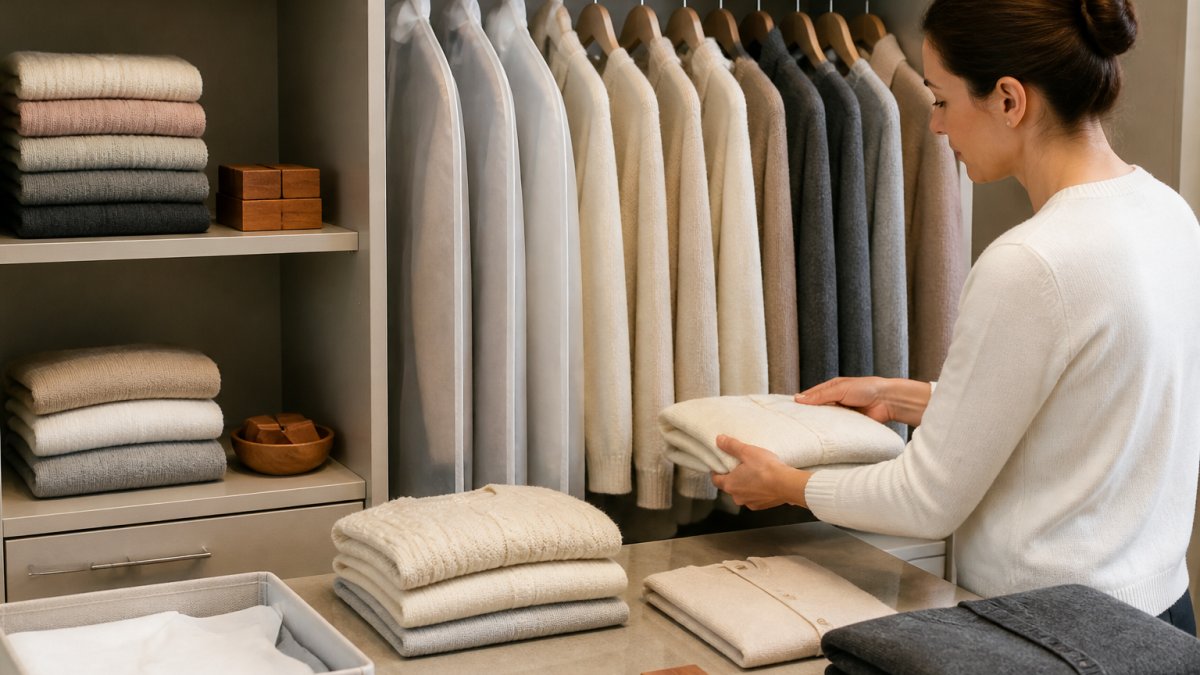
Fold rather than hang delicate knits. Hanging subjects fibers to constant tensile stress, creating permanent shoulder deformation. Use acid-free tissue paper between folds. Refold pieces every 6 months to prevent permanent crease lines.
For silk dresses and blouses, hanging is acceptable only with proper padded or wooden hangers and adequate ventilation. Never hang wet or damp silk; moisture weight distorts the garment and initiates hydrolysis.
Separation and Compression Control
Keep delicate pieces separate from heavier garments. Compression causes creasing, fiber matting, and accelerated oxidation. Use shelf dividers or separate bins. For cashmere, stack no more than 4-5 items to prevent permanent deformation.
Container and Wrapping Materials
Avoid plastic storage containers; they trap moisture and off-gas compounds that yellow fibers. Use cardboard boxes with acid-free tissue for short-term storage or cotton/linen garment bags for long-term storage. Ensure air circulation with a small closet fan running a few hours weekly.
Wrap individual pieces in acid-free tissue paper, not regular tissue (which contains lignin and becomes acidic over time, yellowing fibers).
Washing and Cleaning Protocols for Delicate Fabrics
Hand washing is the gold standard for luxury delicate garments. Use cold water exclusively; warm and hot water open fiber structure, causing pilling, shrinking, and color bleeding. Fill a basin with cold water and pH-neutral detergent, submerge the garment, and gently agitate for 3-5 minutes. Avoid twisting or wringing. Rinse thoroughly in cool water at least three times until water runs clear.
Professional Dry Cleaning vs Home Care for Luxury Items
Home care works best for lightly worn pieces, delicate silks, and items you wear regularly. Professional dry cleaning is necessary for structured pieces, set-in stains, heavily soiled garments, and pieces with mixed fibers. The luxury repair economy has reached USD 525 million in 2026, reflecting recognition that professional care extends garment life. Quality dry cleaners use specialized solvents and handle garments individually.
Protecting Your Investment: Prevention and Repair
Prevention is always more cost-effective than repair. Simple habits protect your pieces from damage before it starts.
| Maintenance Task | Frequency | Best Method |
|---|---|---|
| Air out garments | Weekly | Hang in ventilated space away from direct sun |
| Spot clean stains | As needed | Cold water, pH-neutral soap, gentle blotting |
| Hand wash delicates | Every 4-6 wears | Cold water, mild detergent, flat drying |
| Professional dry cleaning | 1-2 times yearly | Specialty cleaner experienced with luxury fabrics |
| Inspect for damage | Monthly | Check seams, hems, and closures |
| Rotate wardrobe | Continuously | Wear different pieces to distribute stress |
Frequently Asked Questions
What is the best way to store luxury silk and wool garments?
Store silk and cashmere in breathable garment bags away from direct sunlight to prevent UV degradation. Fold delicate knits rather than hanging them to avoid structural strain, and use cedar blocks or lavender sachets for moth prevention. Maintain stable temperature and humidity levels, ideally 60-70 degrees with 45-55% humidity. Keep garments in a cool, dark closet away from heat sources and damp areas. Rotate seasonal pieces every 3-4 months to prevent prolonged pressure on fibers.
How often should you dry clean high-end designer clothing?
Professional dry cleaning should be used sparingly, typically only when visible stains appear or after 5-7 wears for items like dresses and blazers. Over-dry cleaning damages fibers and breaks down fabric structure. For everyday luxury pieces, spot cleaning and gentle hand washing are sufficient. Check the fabric care label for specific guidance. Steaming between wears is superior to ironing for maintaining luxury longevity, as it preserves delicate fiber integrity without heat damage. Reserve professional care for items made from complex blends or heavily embellished pieces.
How can you remove wrinkles from luxury fabrics without damaging them?
Steaming is the preferred method for luxury garments, as it gently releases wrinkles while preserving fiber structure. Hold the steamer 6 inches from the fabric and use slow, downward motions. For delicate silks and cashmeres, use a pressing cloth between the garment and any heat source. Hang wrinkled items in a humid bathroom for 20-30 minutes to allow steam to naturally relax creases. Avoid direct ironing on luxury fabrics, which can flatten fibers and create shine marks. Always test any heat method on an inconspicuous area first.
What prevents moth damage and insect damage in a luxury wardrobe?
Moth prevention begins with cleanliness, wash garments before storage and ensure they're completely dry. Use cedar blocks, cedar chips, or dried lavender sachets in storage areas; replace every 3-4 months as their potency fades. Store garments in breathable garment bags rather than plastic, which traps moisture. Maintain cool storage temperatures below 70 degrees, as moths thrive in warmth. Inspect stored pieces every 4-6 weeks for early signs of damage. Vacuum storage areas regularly and consider professional pest control if you notice active infestation. Natural fiber garments are more susceptible to insect damage than synthetic blends.