

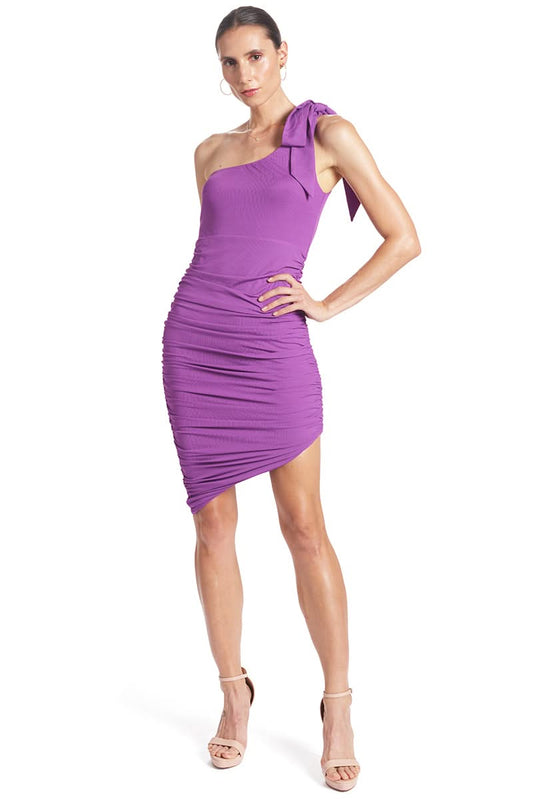
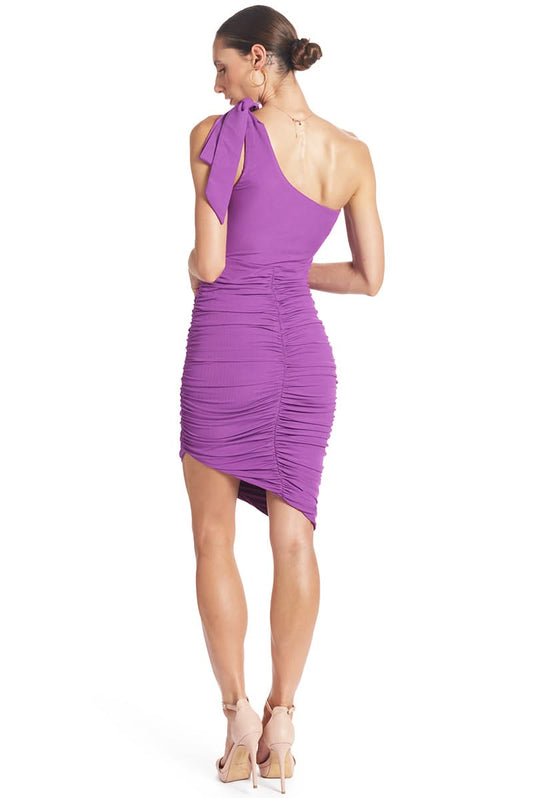
How to Choose the Right Sheath Dress for Work
The right sheath dress for work changes the feeling of a full calendar. It is the piece you reach for before a board presentation, a client lunch, or an evening reservation you do not have time to go home and change for. Its power is not in being loud. It is in creating a precise, polished line that lets your presence speak first.
A well-chosen sheath dress is more than office attire. It is intentional structure, modern femininity, and an answer to the recurring question of what to wear when you need to feel prepared. The best versions hold their shape, allow you to move, and look just as considered at 8 a.m. as they do after dark.
What Makes a Sheath Dress Work for Work
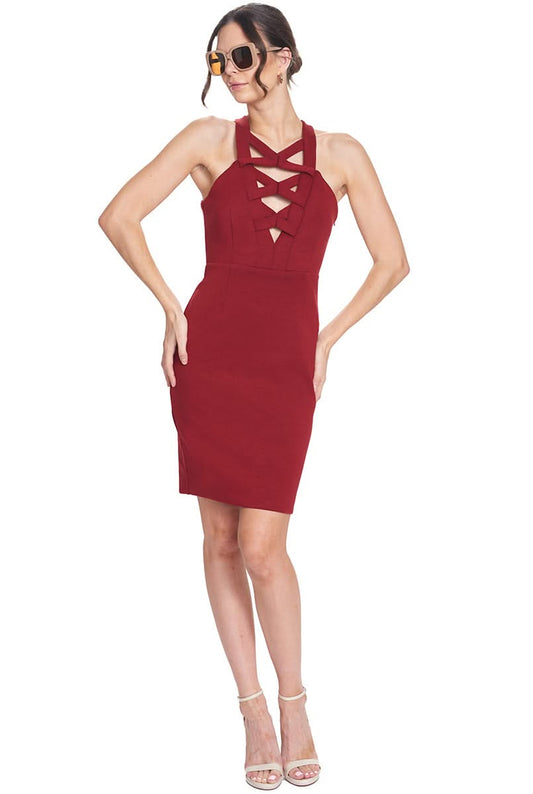
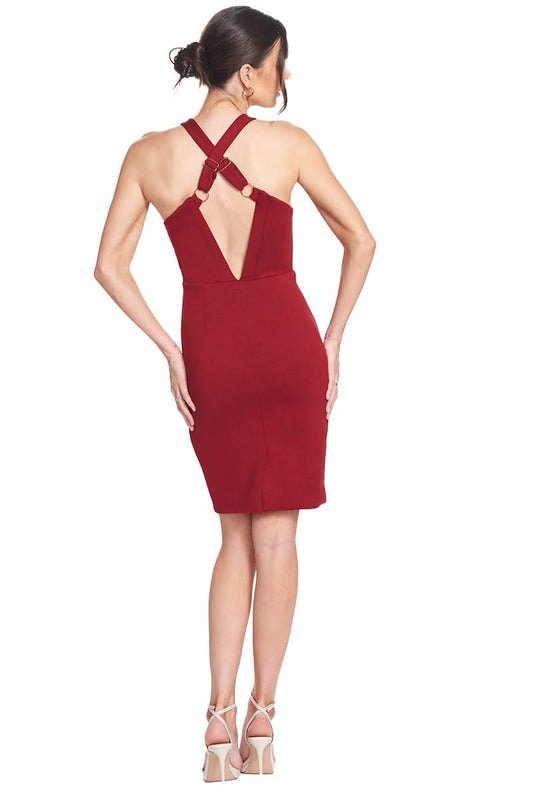
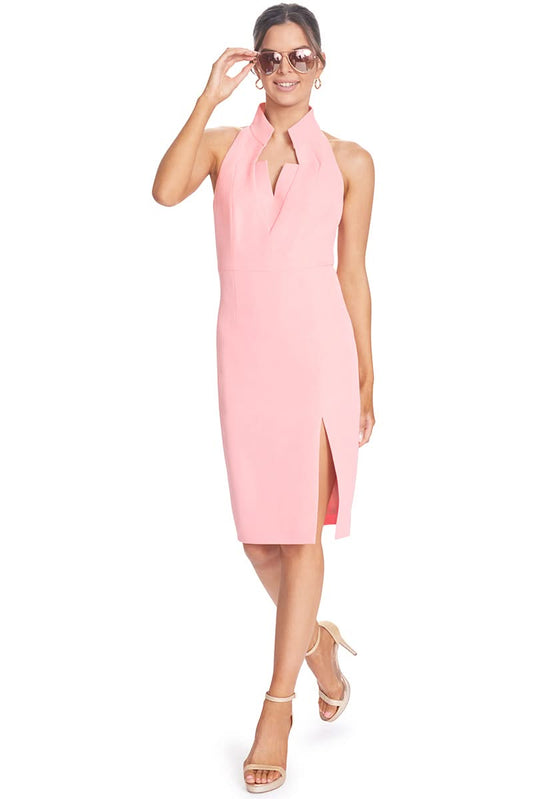
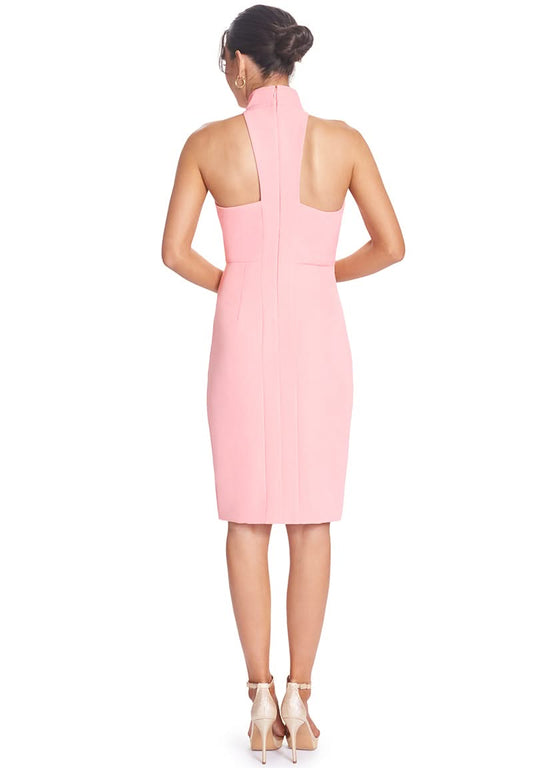
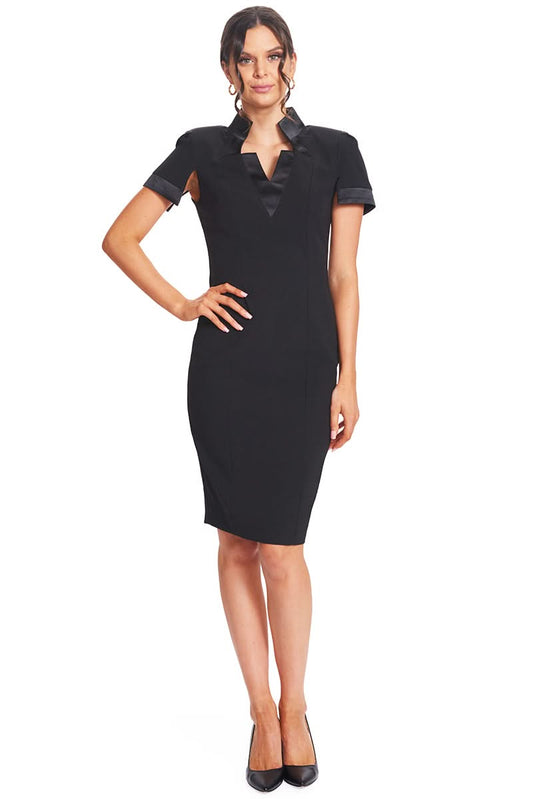
A sheath dress follows the body without clinging to it. Usually cut close through the shoulders and torso, then falling in a straight or gently tapered line, it creates a clean silhouette with very little effort. That clarity is why the style remains a favorite among women who want their clothing to look polished rather than overly corporate.
Fit is the distinction that matters most. A work-ready sheath should skim the body and define the waist without restricting your stride, pulling across the hips, or requiring constant adjustment. You should be able to sit through a long meeting, reach for a notebook, and move through a crowded room with confidence.
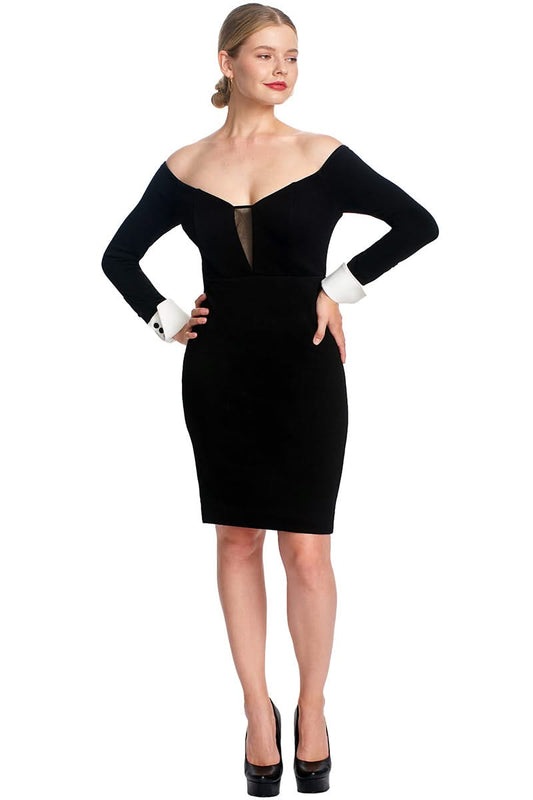
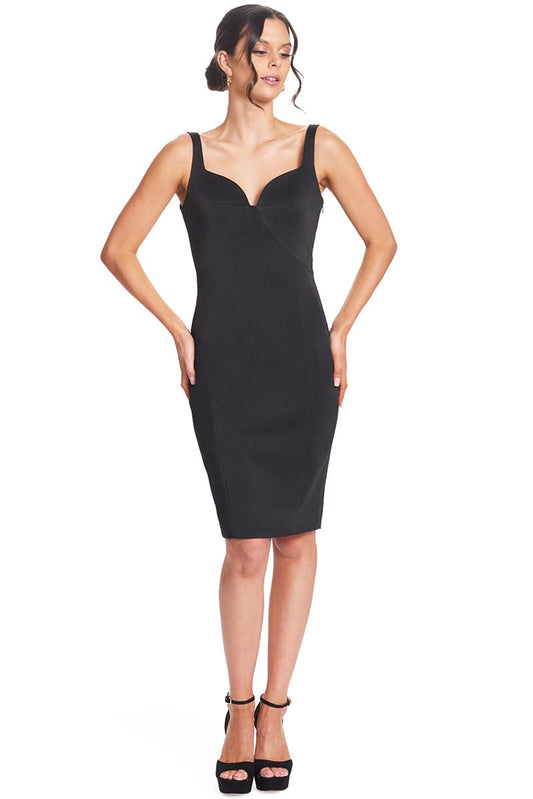
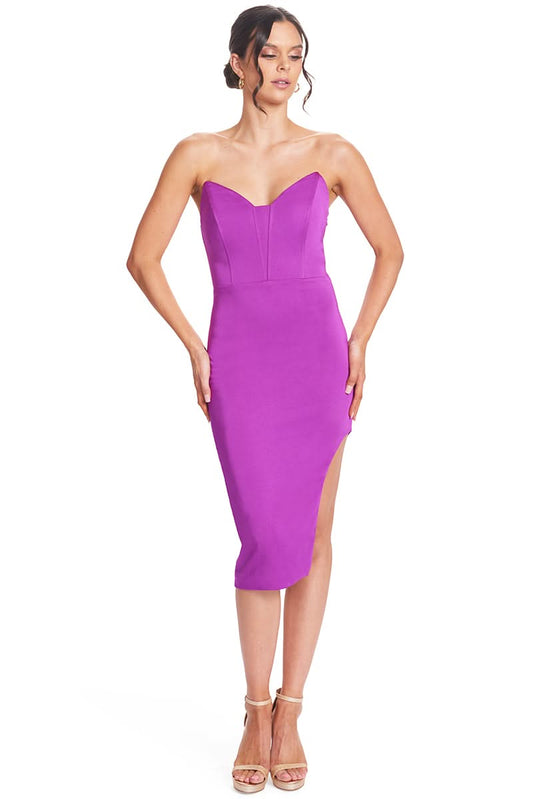
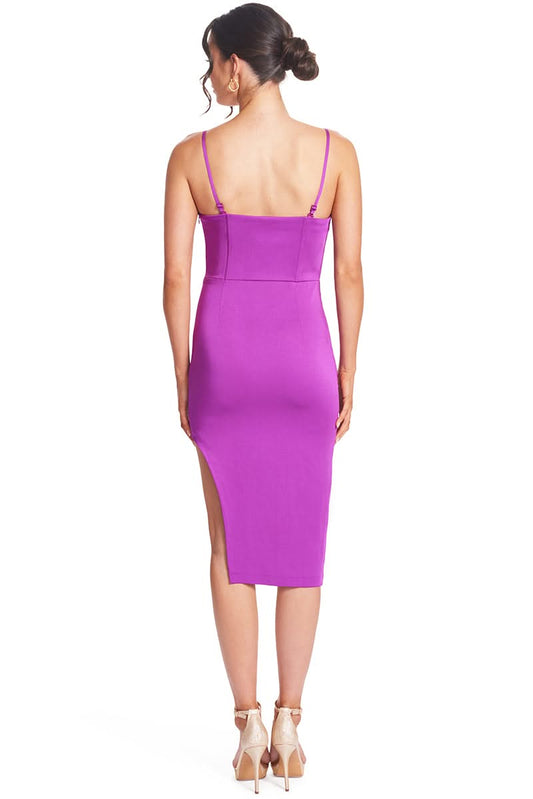
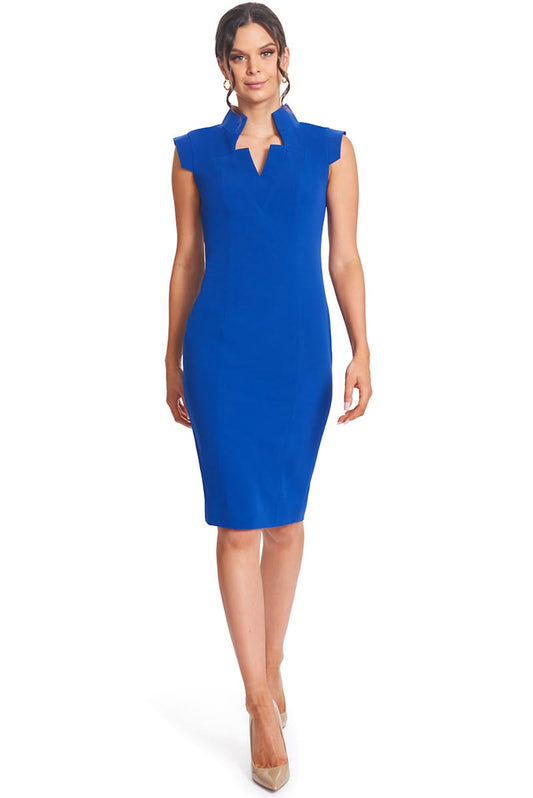
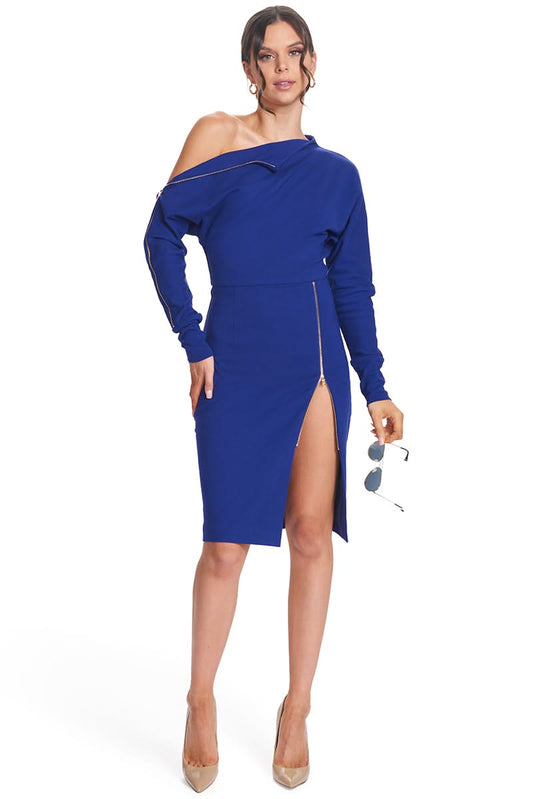
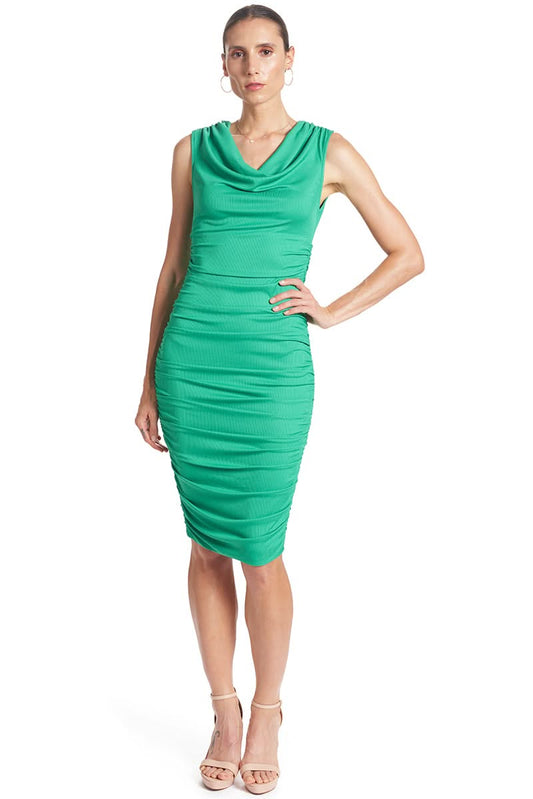
The neckline and hemline set the tone. A tailored V-neck, bateau neck, or modest scoop offers sophistication with room for personal style. For many professional settings, a hem that lands at or near the knee is the most versatile choice. A midi sheath can feel especially refined for conservative offices, presentations, and travel days, while a slightly shorter cut can work beautifully in creative or less formal environments.
Choose Fabric That Holds Its Shape
Fabric determines whether a dress looks crisp at 9 a.m. or tired by midafternoon. For a sheath dress, structure is an asset. Ponte and stretch crepe are especially strong choices because they offer a smooth finish, comfortable give, and the kind of recovery that helps a dress maintain its line through a demanding day.
Ponte has a substantial, softly sculpting quality. It is ideal when you want coverage, gentle support, and an easy transition between seasons. A Ponte sheath often feels less formal than traditional suiting, yet it still delivers the authority of tailored clothing.
Stretch crepe offers a more fluid, elevated surface. It can feel lighter and more dressed up, making it a natural choice for client-facing days or work events where the dress needs to carry into the evening. The trade-off is that lighter crepe may require more thoughtful underpinnings and can show wrinkles more readily than a dense knit.
Pay attention to lining, too. A lined dress can glide more smoothly over the body and lend a finished feel. But if your days involve commuting, warm offices, or frequent travel, an unlined stretch fabrication may be more breathable. The right choice depends on climate, how much movement your day requires, and whether you prefer a more sculpted or relaxed feel.
Look for thoughtful tailoring
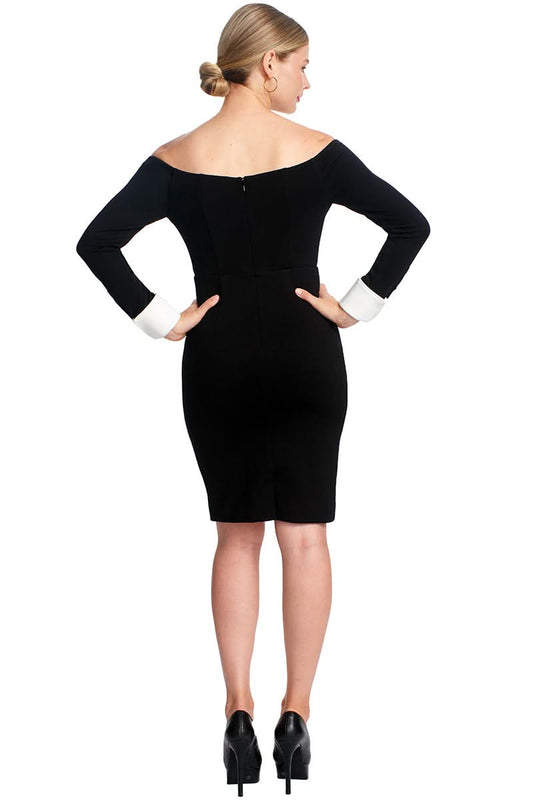
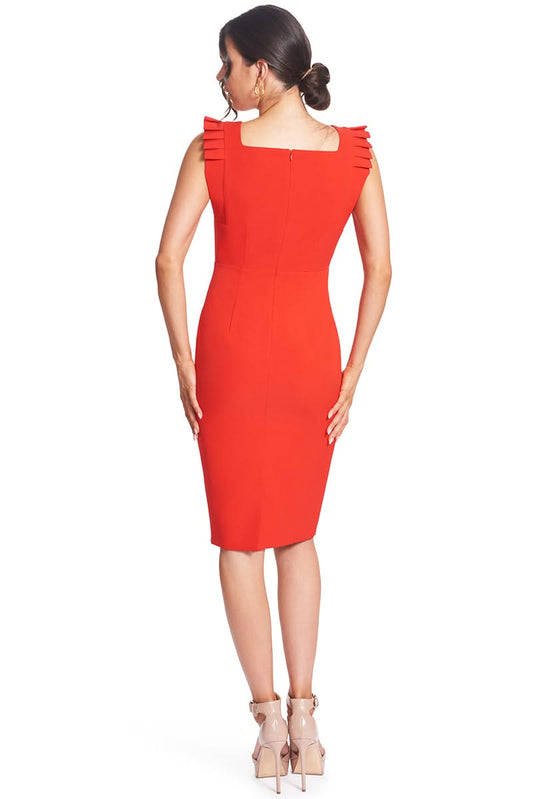
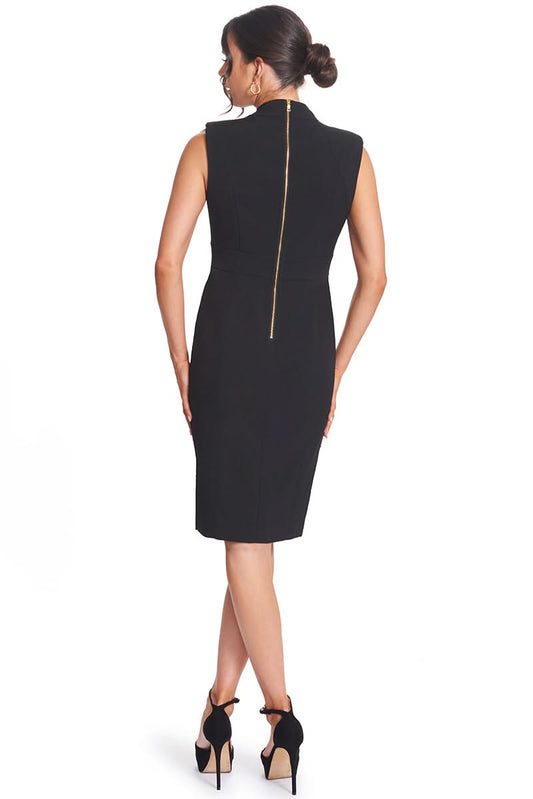
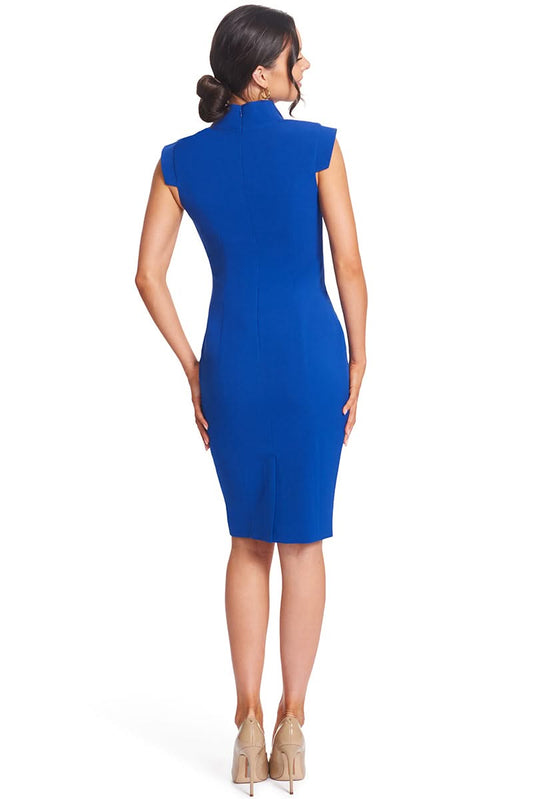
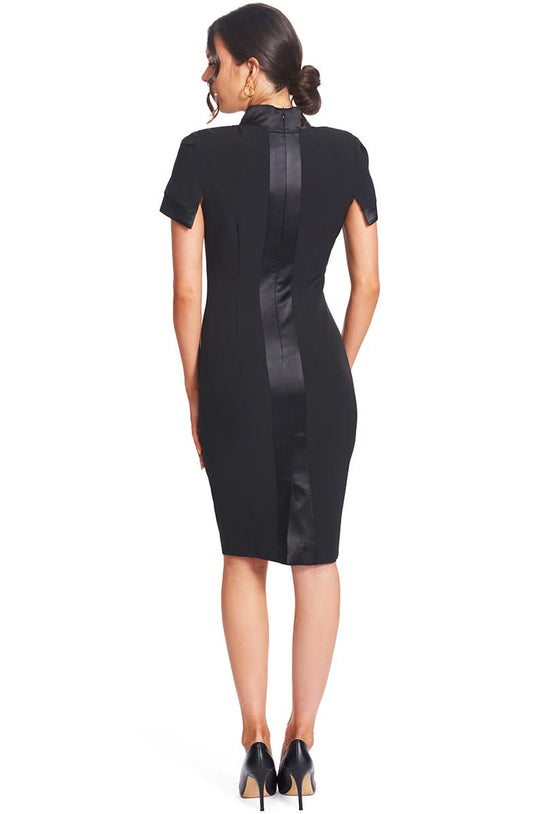
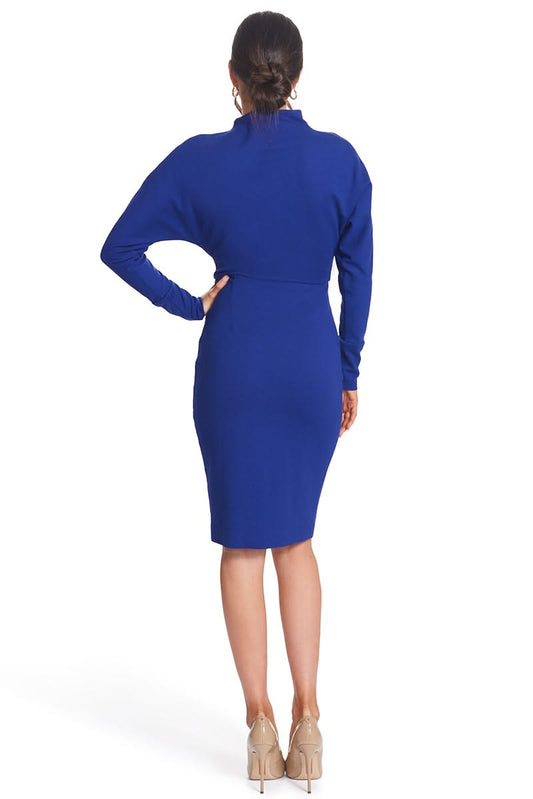
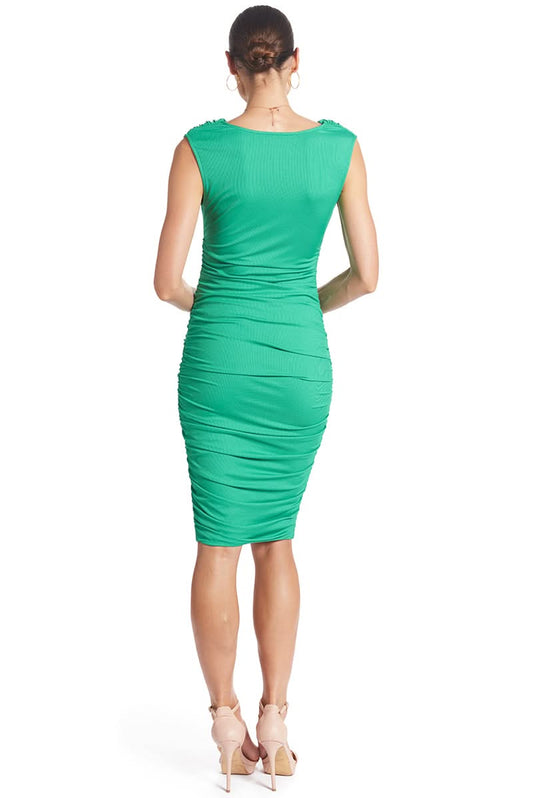
Details make a sheath dress feel personal rather than predictable. Princess seams can create shape without relying on a belt. Strategic seaming at the waist gives definition while preserving a clean front. A back vent is practical, not merely decorative, because it makes walking and sitting more comfortable.
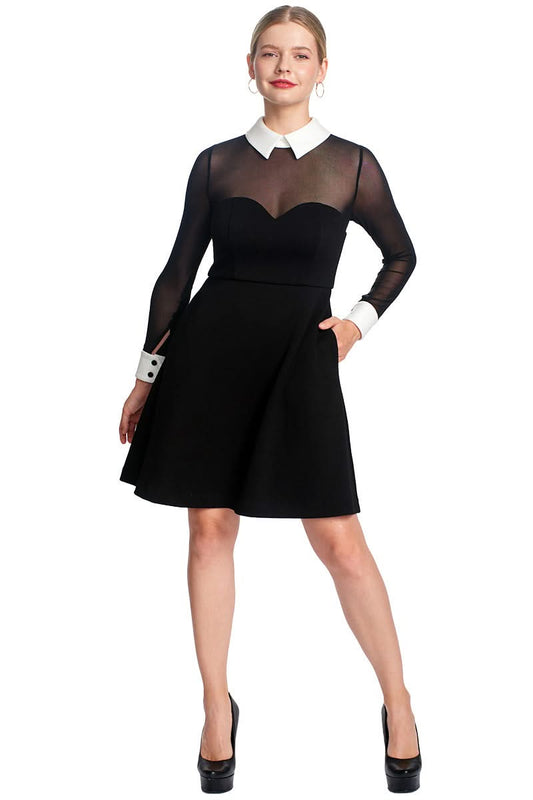
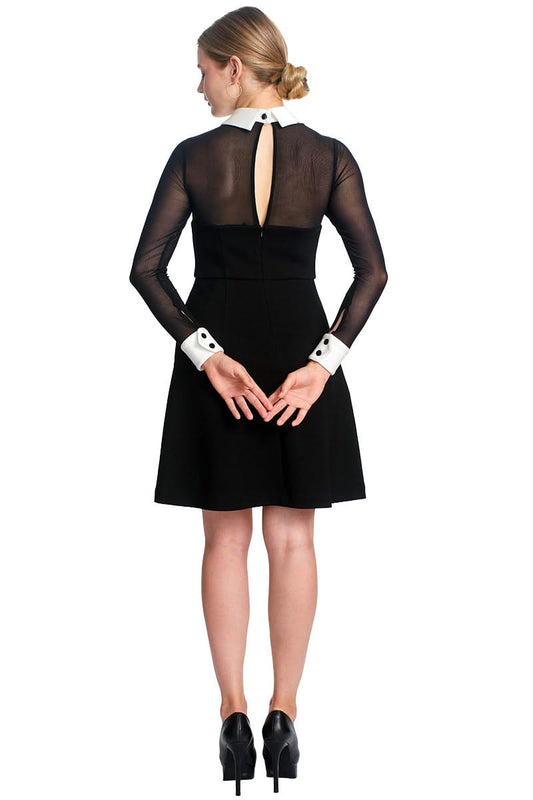
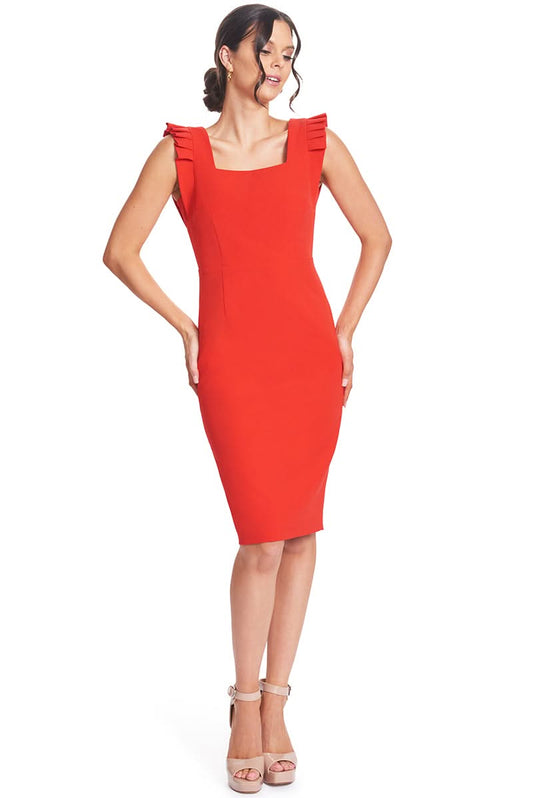
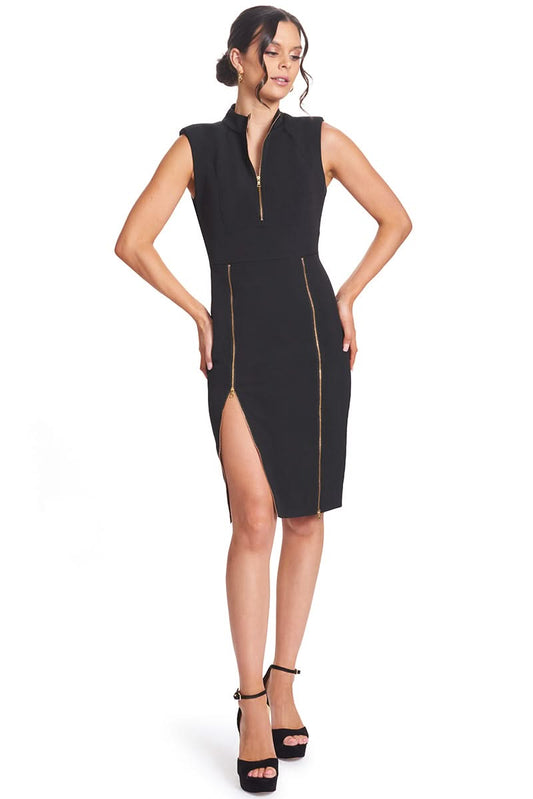
Sleeves also change the role a dress plays in your wardrobe. A sleeveless sheath is excellent under a blazer and can feel fresh in warmer months. Cap sleeves offer a little more coverage while retaining a sharp shoulder line. Three-quarter or long sleeves create a finished look on their own, especially when you want to skip an additional layer.
Pick a Color That Works as Hard as You Do
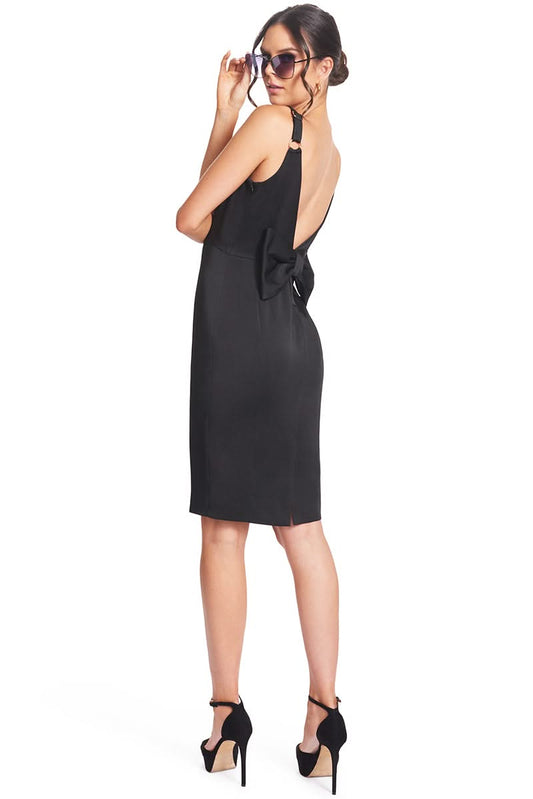
Black remains a classic for good reason. A black sheath dress is focused, flattering, and remarkably adaptable. Wear it with a blazer for a formal meeting, then remove the layer and add a statement earring for dinner. It offers refined glamour without asking for much styling effort.
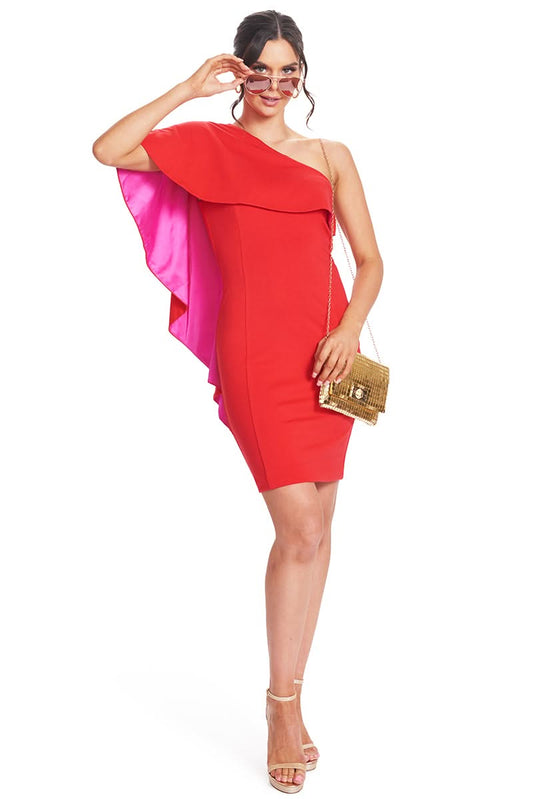
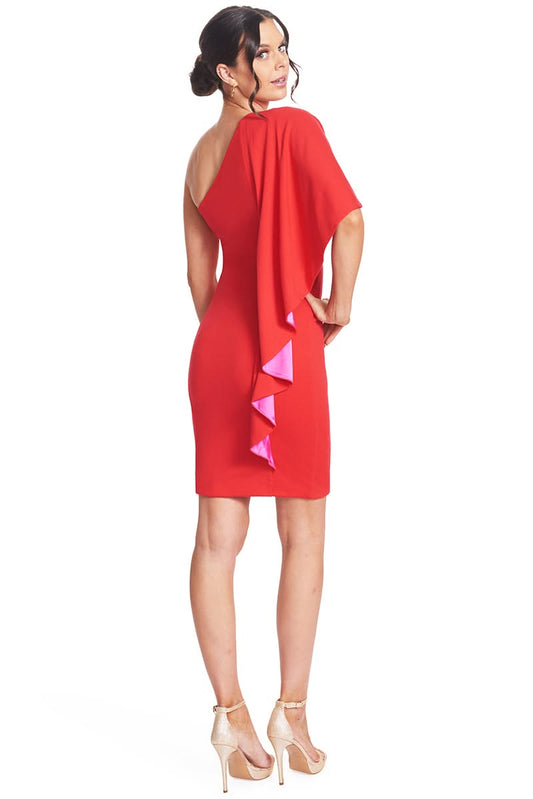
Still, a strong work wardrobe should not begin and end with black. Navy feels authoritative but softer, especially for daytime meetings. Deep green, burgundy, and rich chocolate bring dimension while remaining professional. Ivory, cream, and pale blush can be striking in spring and summer, though they call for confidence and careful consideration of the dress's opacity.
For women who prefer print, restraint is key. A subtle texture, tonal floral, or graphic pattern can bring interest to a sheath silhouette. Large, high-contrast prints may be perfect for a creative industry or celebratory event, but they can compete with the quiet precision that makes this shape so effective in formal settings.
How to Style a Sheath Dress for Work
The beauty of a sheath is that it creates the foundation of the outfit. From there, your layers and accessories can direct it toward the occasion.
For a presentation or interview, add a tailored blazer that fits cleanly at the shoulders. A tuxedo-inspired blazer can bring a decisive edge to a simple dress, balancing femininity with menswear-inspired strength. Keep shoes streamlined: pointed-toe pumps, polished loafers, or elegant ankle boots all preserve the lengthening effect of the silhouette.
For a typical office day, consider a fine-gauge knit, a sharp belt, or a structured handbag in a complementary neutral. The goal is not to over-style the dress. One purposeful accessory often has more impact than several competing ones.
For evening, let the dress reveal its versatility. A change of shoes, a bold cuff, or sculptural earrings can shift the mood quickly. If the dress has clean lines and beautiful fabric, it does not need excessive embellishment to make an entrance. Simona Maghen designs with this kind of repeat wear in mind: distinctive enough to feel special, considered enough to remain useful.
Consider your office, not an imaginary one
“Workwear” is not one dress code. A law office, design studio, medical practice, real estate showing, and executive dinner all ask for different degrees of formality. If your workplace is conservative, prioritize sleeves or easy layering, a modest neckline, and darker neutrals. If it is creative, a defined waist, saturated color, or architectural detail can communicate personality while staying polished.
Also think about the practical conditions of your day. If you commute by train, choose a fabric that resists wrinkling and shoes that can handle the walk. If you regularly attend video meetings, favor necklines and colors that read well on screen. If you travel for work, select a dress that can be worn with both a blazer and a cardigan so it earns its place in a compact bag.
Get the Fit Right Before You Commit
A sheath dress should feel supportive, never punishing. Start with the shoulders. The seam should sit at your natural shoulder point, with no pulling across the upper back. Then assess the bust and waist while seated, not only while standing in front of a mirror. A beautiful dress that feels restrictive will spend more time in the closet than in your rotation.
At the hips, look for a smooth skim rather than a tight hold. The fabric should not pull horizontally or ride up when you walk. If the dress is close-fitting by design, consider your preferred undergarments before deciding on a size. A smooth foundation can make the garment look more intentional, but comfort should always lead.
Tailoring can be worthwhile when the dress fits beautifully through the shoulders and torso but needs a small hem or waist adjustment. Avoid buying a dress that is significantly too small in hopes that tailoring will solve everything. Clean tailoring refines a strong fit; it cannot replace one.
Build a Small Rotation, Not a One-Dress Solution
One exceptional sheath is useful. Two or three create real freedom. Consider a black or navy sleeveless style for layering, a sleeve-forward option for days when you want a finished one-piece look, and one color or texture that feels distinctly yours. These pieces can rotate across meetings, travel, dinners, and occasions without feeling repetitive.
The goal is not to dress like everyone else in the office. It is to have a dependable silhouette that gives you room to show up fully. Choose the sheath dress that feels composed when the day is complicated, comfortable when the schedule is long, and unmistakably yours when it is time to be remembered.