

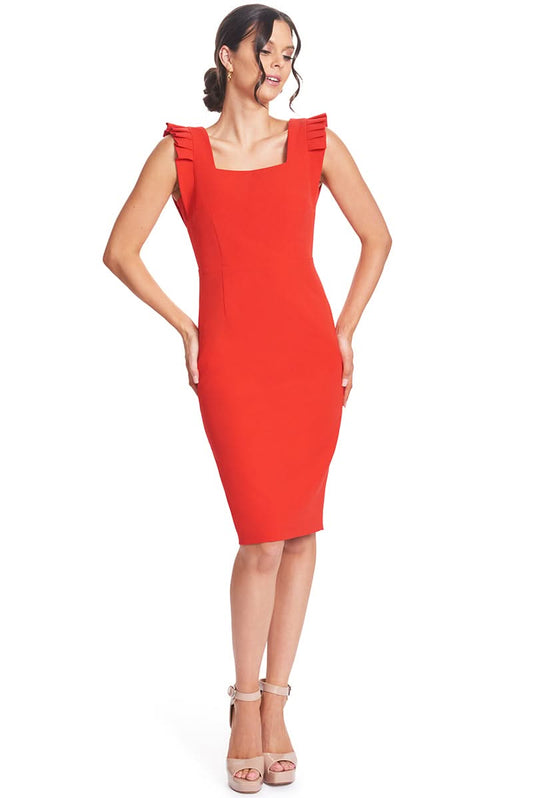
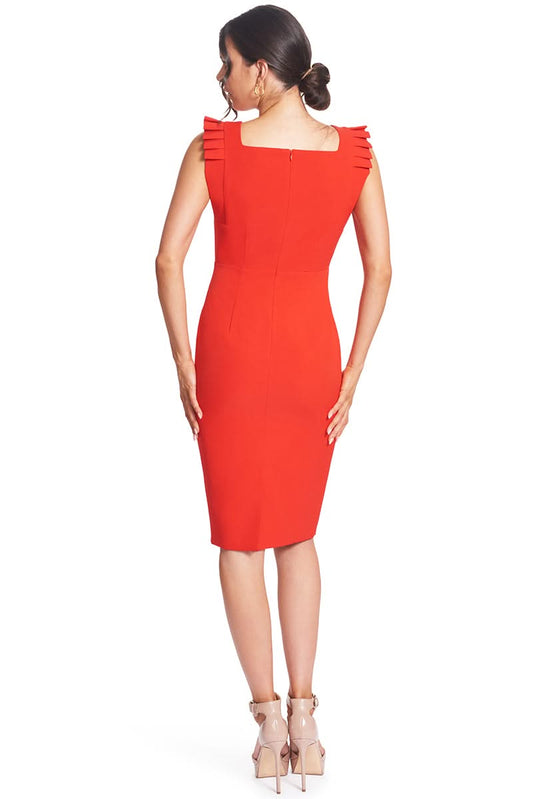
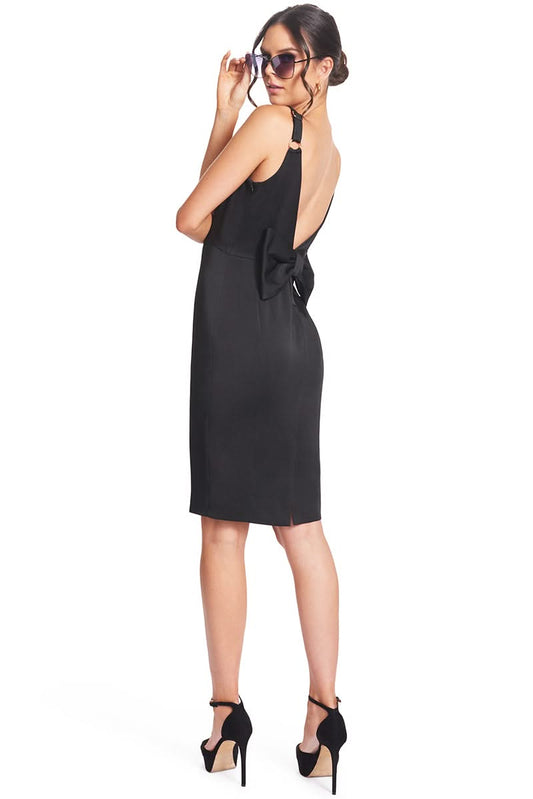
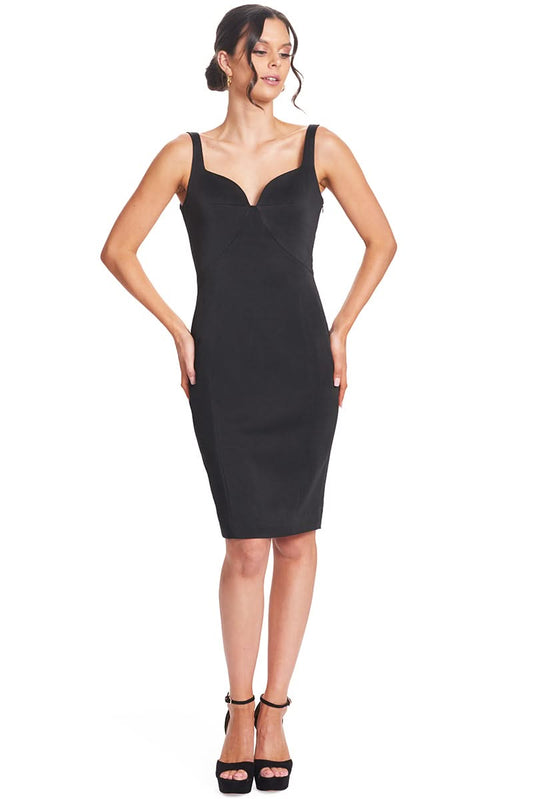
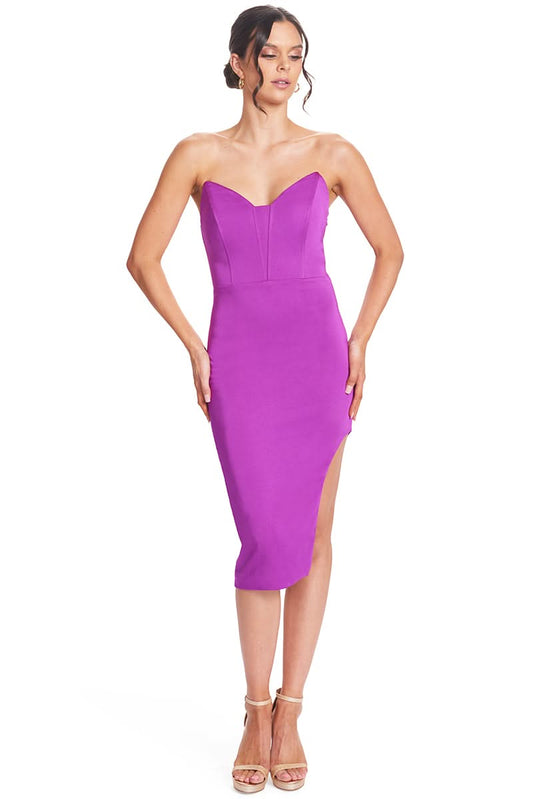
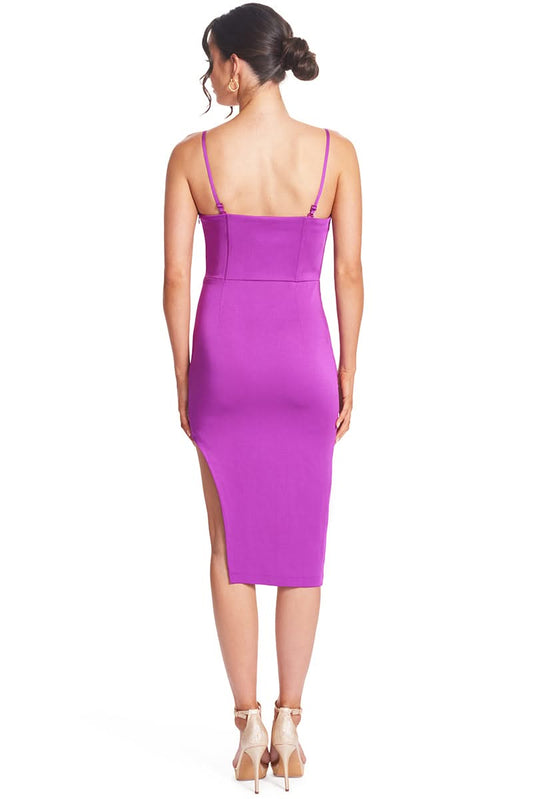
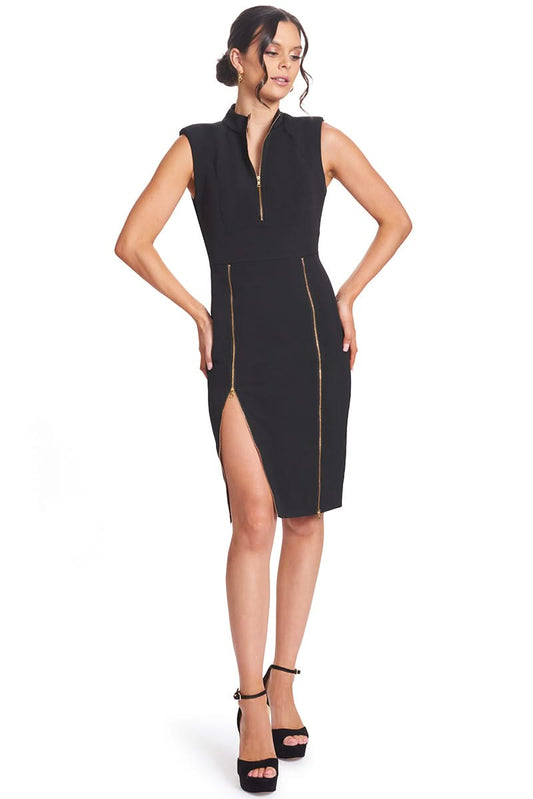
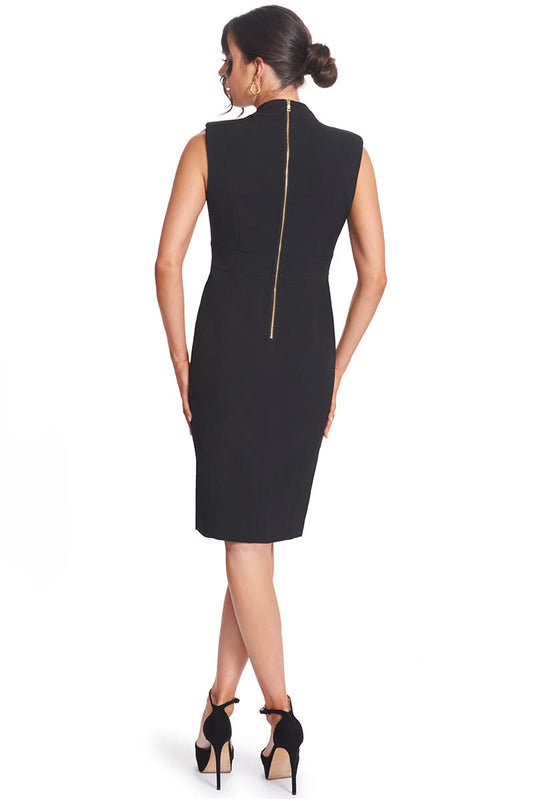
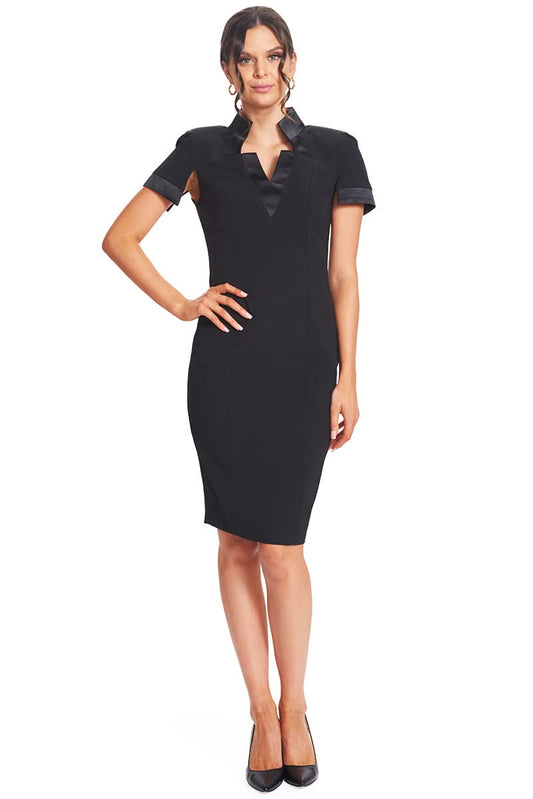
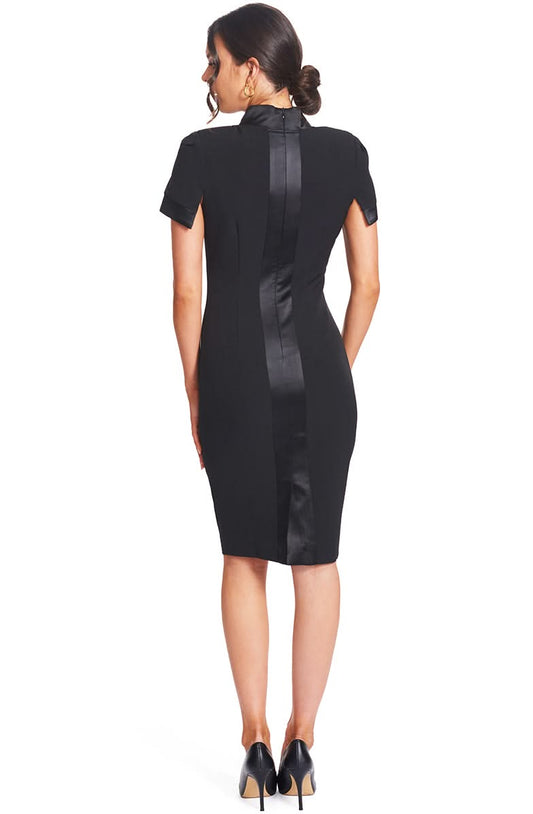
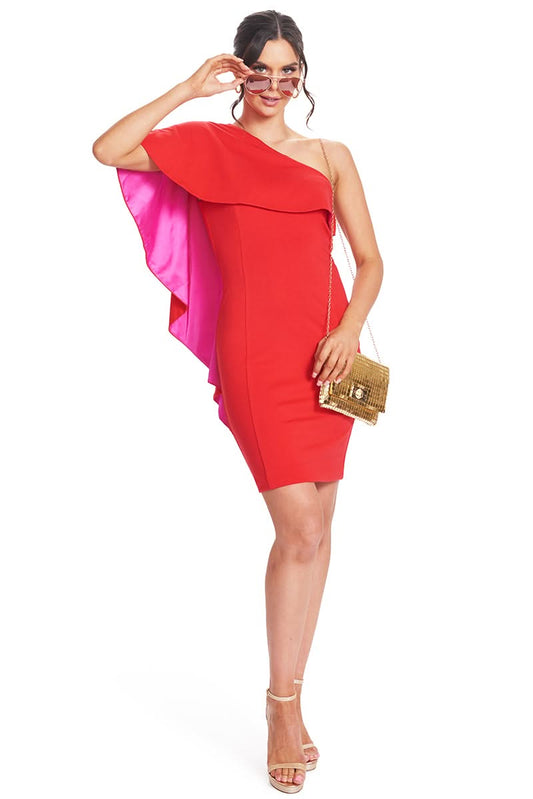
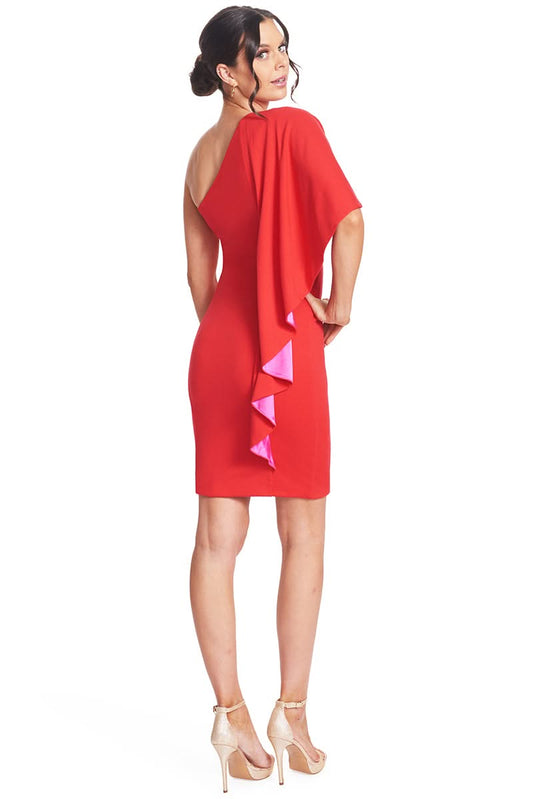
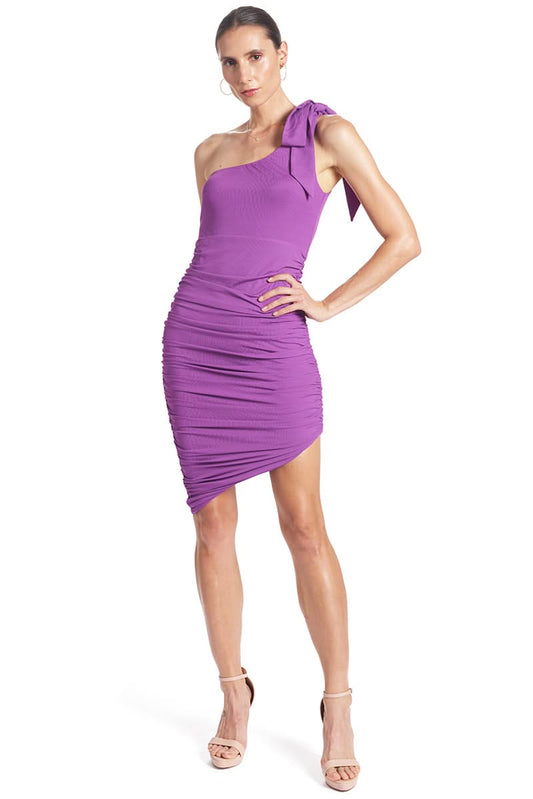
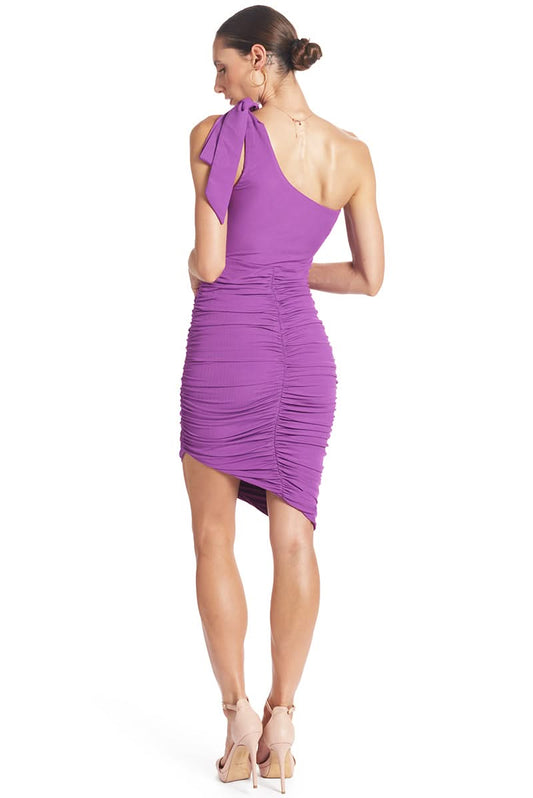
Sleeveless Spring Dresses: How to Choose with Precision and Confidence
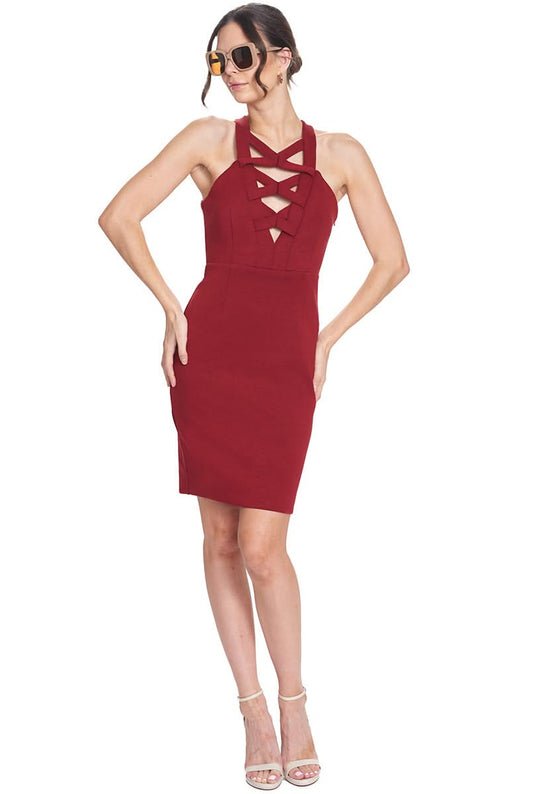
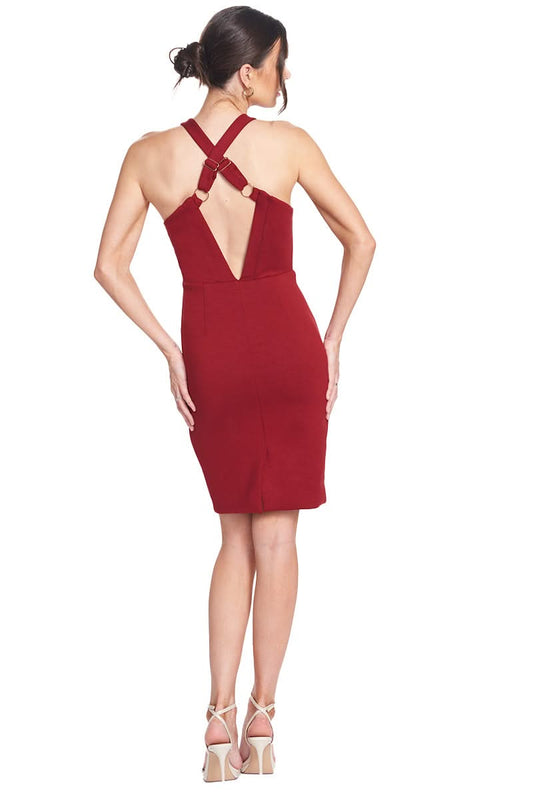
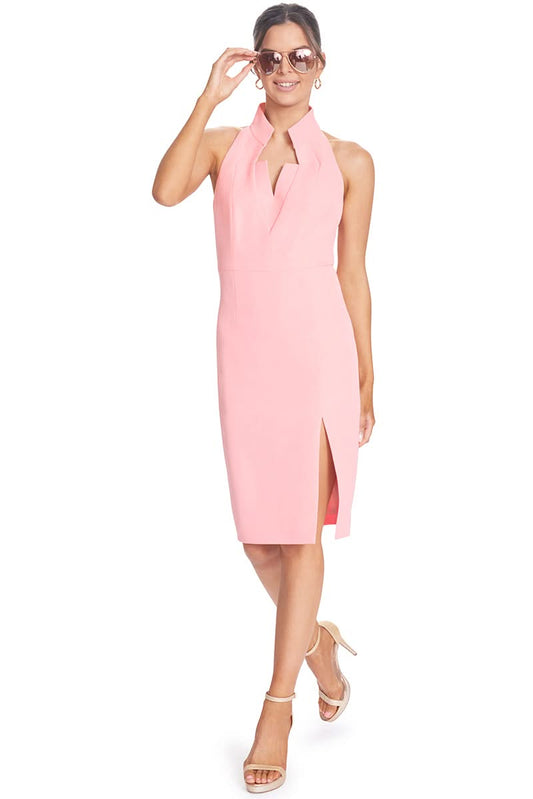
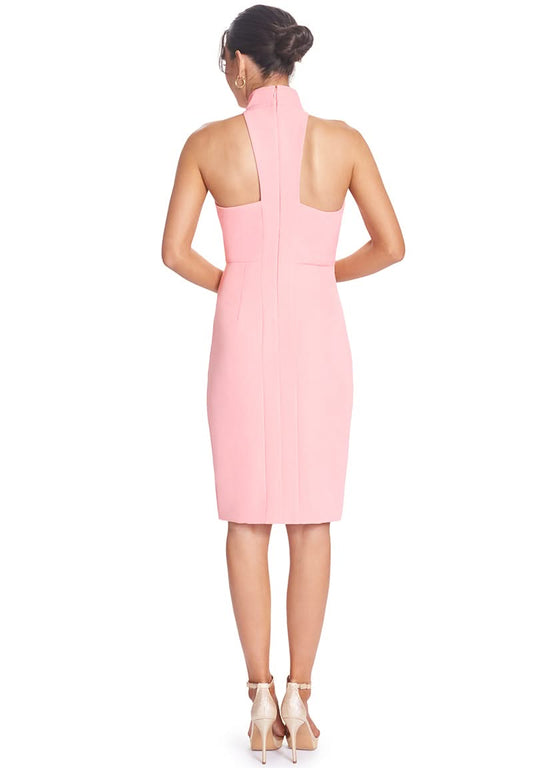
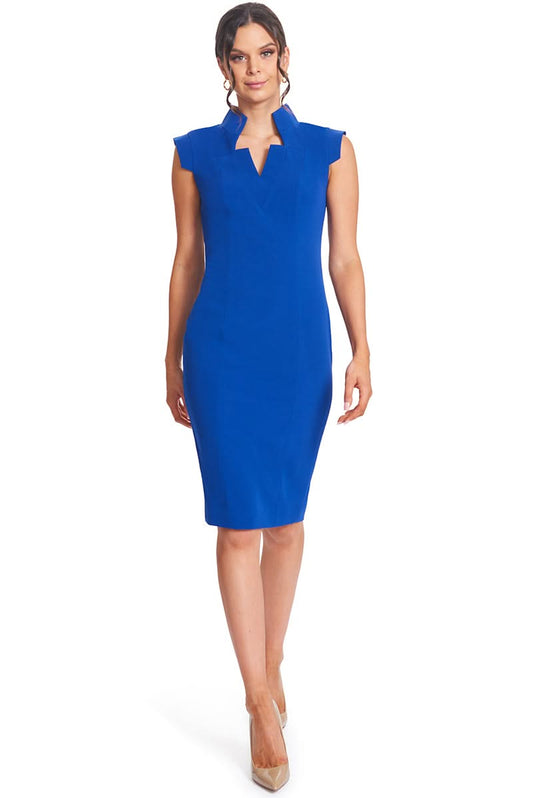
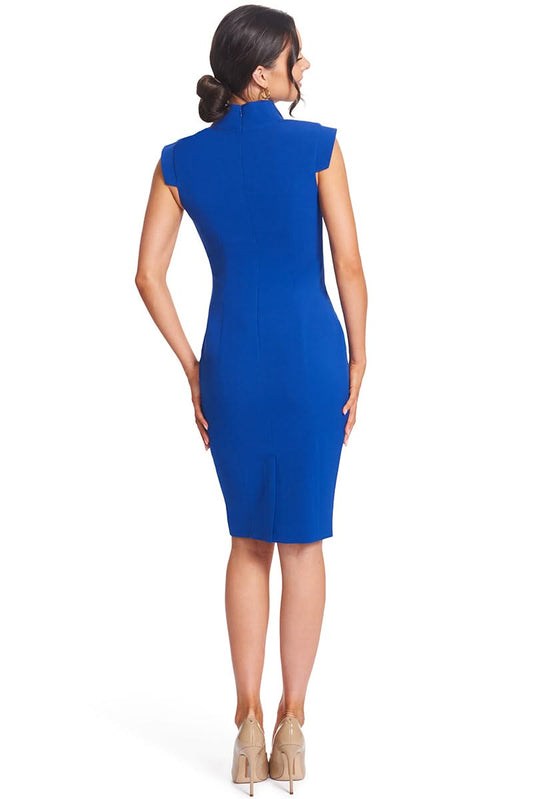
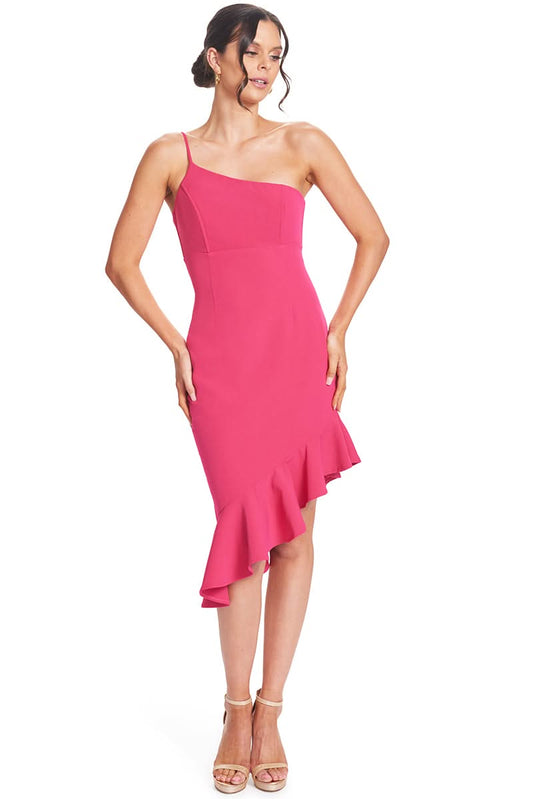
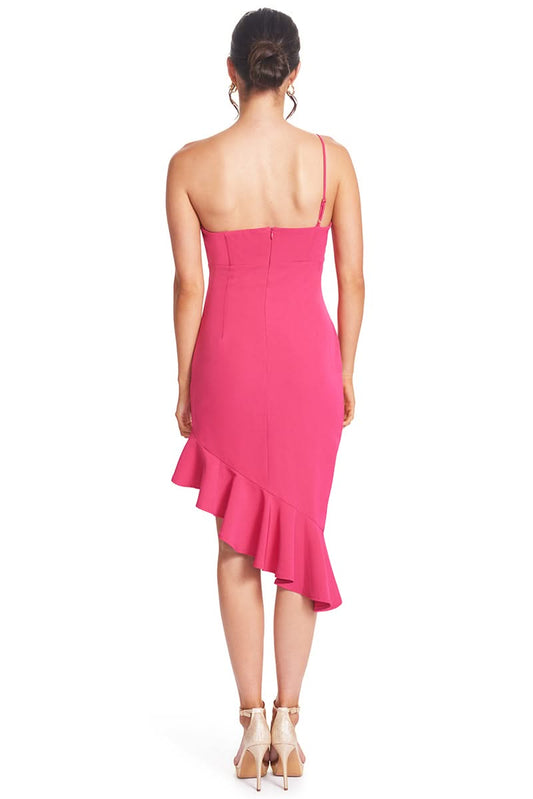
Sleeveless spring dresses are warm-weather garments designed without sleeves to offer ventilation, mobility, and visual balance while maintaining structure and polish. The best versions combine tailored fit, breathable fabric, and proportionally balanced hemlines to ensure comfort without sacrificing sophistication. When thoughtfully constructed, they support real-world movement and enhance confidence across professional, social, and transitional settings.
At Simona Maghen, this category is not seasonal filler. It is a design discipline.
Table of Contents
- What Defines a Well-Constructed Sleeveless Silhouette
- When to Choose a Ruched Spring Dress
- Fabric, Fit, and Structural Intelligence
- Occasion Mapping: From Day Events to Evening Rooms
- Common Misconceptions About Sleeveless Designs
- A Practical Decision Framework for Buyers
What Defines a Well-Constructed Sleeveless Silhouette
Not all sleeveless dresses are equal. Removing sleeves shifts the burden of structure to the shoulder, neckline, and waist.
A credible sleeveless design must deliver:
- Shoulder stability without tightness
- Armhole precision without gaping
- Balanced neckline framing
- Controlled waist shaping
- Fabric weight appropriate for season
At Simona Maghen, construction begins with proportion. The shoulder line is carefully measured to prevent inward collapse. Arm openings are engineered to contour naturally. This prevents the common issue of exposure or fabric distortion.
The absence of sleeves should create elegance, not vulnerability.
From an operator perspective, most returns in sleeveless categories come from poor armhole grading and inadequate lining. That is a pattern we intentionally design against.
When to Choose a Ruched Spring Dress
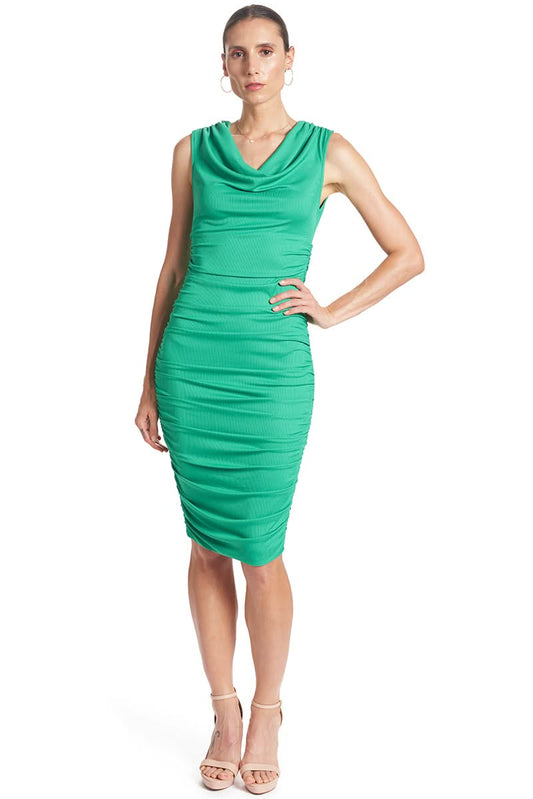
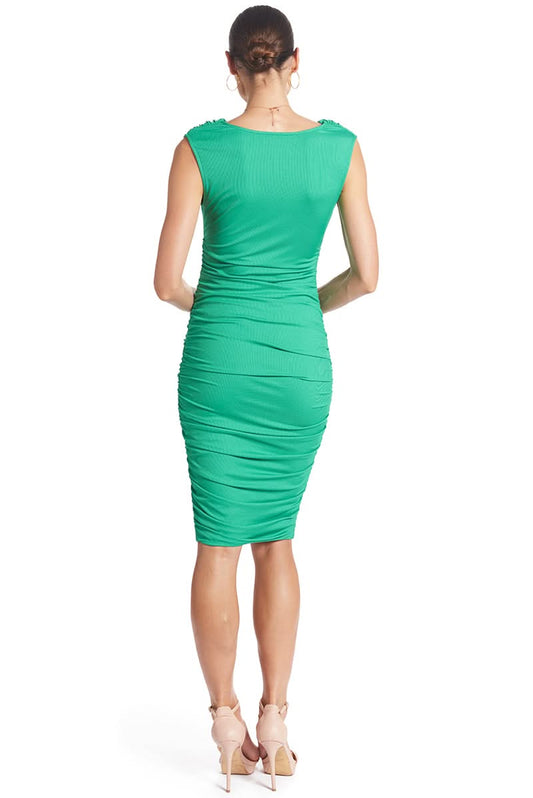
A ruched spring dress serves a specific function. Ruching is not ornamentation. It is controlled fabric gathering that creates visual texture and adaptive stretch.
Choose ruching when:
- You want visual movement through the torso
- You prefer flexible midsection shaping
- You anticipate sitting, standing, and walking frequently
- You want contour without compression
Strategic ruching diffuses light across the body. It also softens transitions between waist and hip.
In spring collections, ruching allows structure while maintaining breathability. The key difference lies in placement. Vertical ruching elongates. Diagonal ruching sculpts. Horizontal ruching contours. Random gathering disrupts proportion.
We design with intention, not decoration.
Fabric, Fit, and Structural Intelligence
Sleeveless silhouettes depend heavily on fabrication. Lightweight fabric without structure collapses at the shoulder. Overly rigid fabric restricts movement.
Our material selection criteria include:
|
Evaluation Factor |
Why It Matters |
Design Response |
|
Stretch recovery |
Prevents sagging |
Crepe blends with controlled elasticity |
|
Breathability |
Spring comfort |
Medium-weight breathable linings |
|
Drape consistency |
Maintains shape |
Structured but fluid textiles |
|
Opacity |
Confidence in motion |
Double-layered construction where needed |
Mid-market accessible luxury requires balancing price with performance. Over-engineering increases cost unnecessarily. Under-structuring increases dissatisfaction.
The tension sits in the middle.
At Simona Maghen, we focus on durability and repeat wear. Dresses are designed to withstand movement, seating friction, and seasonal storage without distortion.
Occasion Mapping: From Day Events to Evening Rooms
Women do not live in single-use wardrobes. A well-designed sleeveless dress must transition.
A structured sleeveless midi works for:
- Spring luncheons
- Business networking events
- Wedding guest attire
- Cocktail receptions
- Travel-friendly formal dinners
The difference lies in styling.
Flat sandals or pointed pumps shift the tone. Jewelry either amplifies or quiets the look. Fabric weight determines whether a dress feels casual or event-ready.
A sleeveless silhouette with refined seaming communicates competence in professional spaces. Add soft drape or subtle ruching, and it carries emotional warmth for evening settings.
Versatility is not accidental. It is planned & ideal for most wardrobes.
Common Misconceptions About Sleeveless Designs
Misconception 1: Sleeveless Means Casual
Incorrect. Structure determines formality, not sleeve length. A tailored sleeveless midi often appears more modern than a sleeved equivalent.
Misconception 2: Ruching Is Trend-Driven
Short-lived trends rely on exaggerated detailing. Intentional ruching has been used for decades in fashion as a design construction to accommodate movement & dimensionality while preserving line.
Misconception 3: Sleeveless Designs Flatter Fewer Body Types
Fit precision matters more than coverage. Proper armhole grading and neckline placement flatter a wide range of body shapes.
Our experience confirms that confidence increases when women feel unrestricted, not hidden.
A Practical Decision Framework for Buyers
When evaluating sleeveless spring dresses, apply the following checklist:
- Shoulder Stability: Does the dress hold its shape when you move?
- Armhole Coverage: Is there gaping or pulling?
- Waist Logic: Does the shaping align with your natural proportions?
- Fabric Behavior: Does it wrinkle excessively or recover quickly?
- Occasion Range: Can it adapt with styling?
If a dress fails two or more of these, long-term wear satisfaction decreases significantly.
Market data consistently shows that versatility drives repeat purchases. Consumers gravitate toward pieces that serve multiple contexts with minimal effort.
That is the discipline behind our design decisions.
Strategic Perspective: Why This Category Matters
Spring dressing is transitional by nature. Weather fluctuates. Schedules expand. Events increase.
Sleeveless dresses offer temperature adaptability and layering flexibility. Blazers, cropped jackets, or wraps integrate seamlessly.
From a brand standpoint, this category supports:
- Multi-season wear
- Strong return-on-investment for customers
- Lower closet redundancy
- Reduced decision fatigue
Accessible luxury is not about price signaling. It is about delivering proportionate value.
That is the philosophy guiding Simona Maghen.
Reflect
Sleeveless spring dresses succeed when construction, fabric, and proportion work in concert. Structure replaces coverage. Precision replaces excess.
A well-designed sleeveless silhouette does not expose. It refines. A well-executed ruched spring dress does not distract. It adapts.
The real takeaway is simple: confidence follows construction. When form respects function, presence becomes effortless.
FAQs
Are sleeveless spring dresses appropriate for professional settings?
Yes. When tailored with structured seams and balanced necklines, sleeveless spring dresses project modern polish. Pairing with a blazer enhances versatility. Fabric quality and length determine professionalism more than sleeve presence. Midi lengths with refined construction are especially effective in business environments.
How does a ruched spring dress flatter different body types?
Ruching distributes fabric tension and creates adaptive contouring. Whether, vertical, horizontal or diagonal ruched placement, all sculpt naturally while adding dimension to the dress. A well-constructed ruched spring dress enhances movement while maintaining structure, making it suitable for varied proportions without restrictive compression.
What fabrics are best for sleeveless spring dresses?
Medium-weight stretch crepe, structured rayon or cotton blends, and breathable lined fabrics perform best. These materials maintain shoulder shape and prevent armhole distortion. Fabric recovery is critical. Quality textiles ensure the dress retains structure through repeated wear and seasonal transitions.
Can sleeveless midi dresses be worn beyond spring?
Yes. Layering extends usability into summer and early fall. Structured sleeveless midi dresses pair well with lightweight jackets or tailored blazers. Versatility increases long-term value, especially when color and cut remain timeless rather than trend dependent.
How should I evaluate fit before purchasing?
Assess shoulder alignment, armhole precision, waist placement, and fabric recovery. Movement testing is essential. Sit, walk, and raise your arms. A high-quality sleeveless dress will maintain line integrity without pulling, sagging, or shifting out of place.
To see our collection of sleeveless dresses, shop here.