
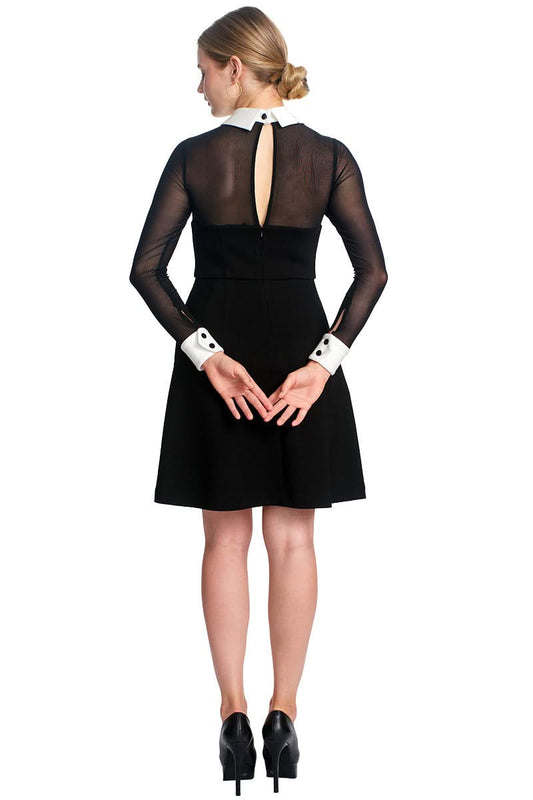
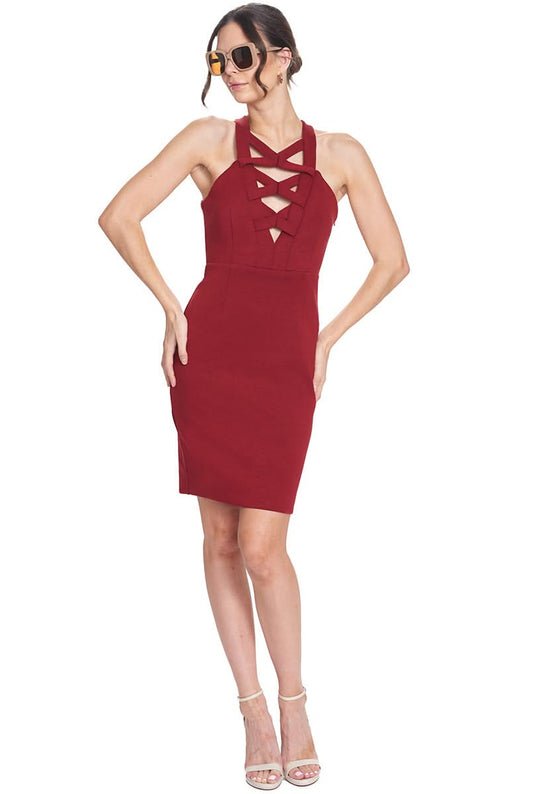
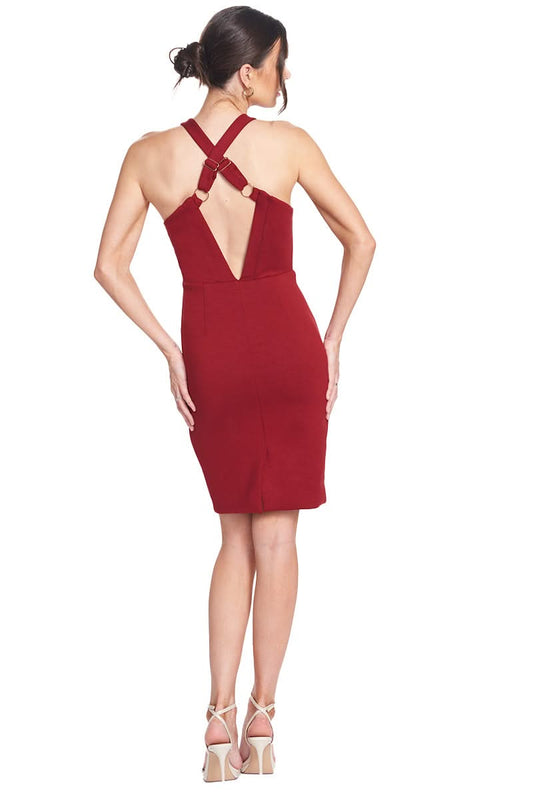
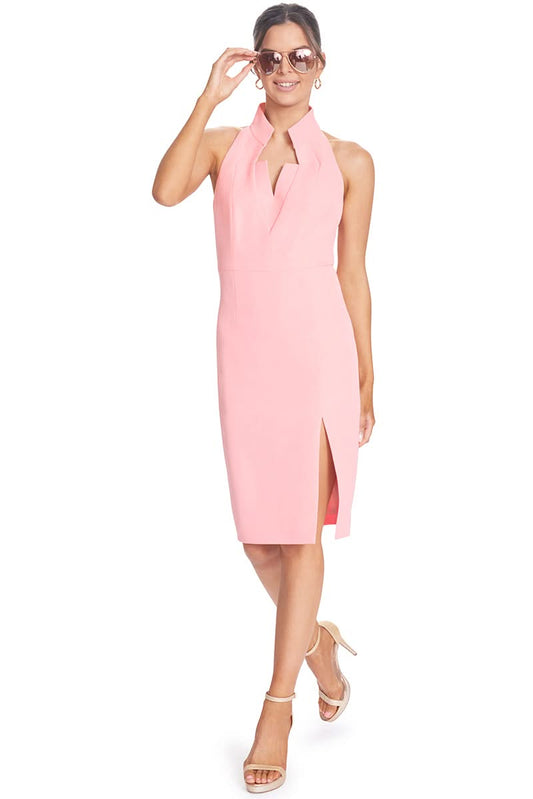

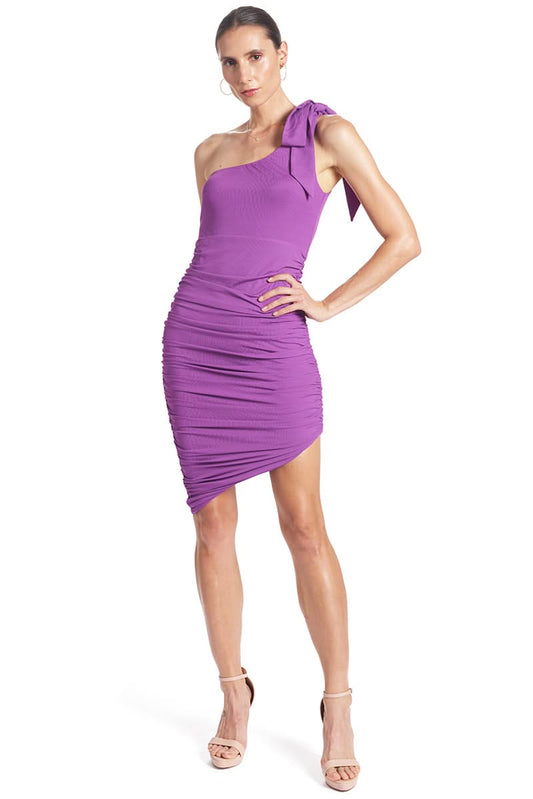
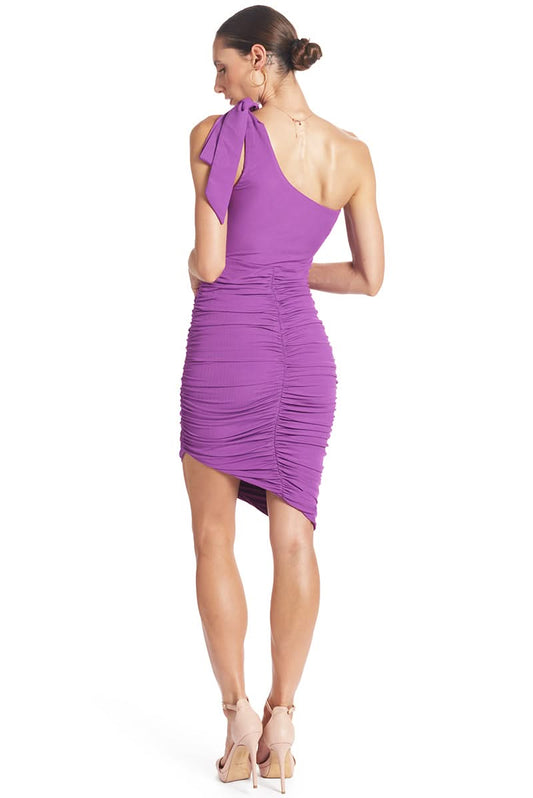
Best Professional Dresses for Women: 2026 Style Guide
Table of Contents
- What Makes a Dress Office-Appropriate
- Business Professional Dress Code for Women Explained
- Professional Dress Length Guidelines: Hemlines and Fit
- Best Fabrics for Professional Dresses: Breathability and Wrinkle Resistance
- How to Style a Work Dress for Day-to-Night Versatility
- Top Silhouettes: Wrap, Sheath, A-Line, and Shirtdress
- Building a Capsule Wardrobe with Professional Dresses
- Frequently Asked Questions
Last Updated: September 18, 2026
What Makes a Dress Office-Appropriate
A dress is office-appropriate when its neckline, hemline, and fabric support a polished, professional look without distracting from your work. The best professional dresses for women balance coverage, structure, and comfort so you can move from meetings to after-work plans without changing.
- Coverage: necklines that stay put when you lean over a desk
- Structure: seams and tailoring that hold their shape through a long day
- Fabric: material that resists wrinkles and breathes in heated offices
Necklines and Sleeves That Work
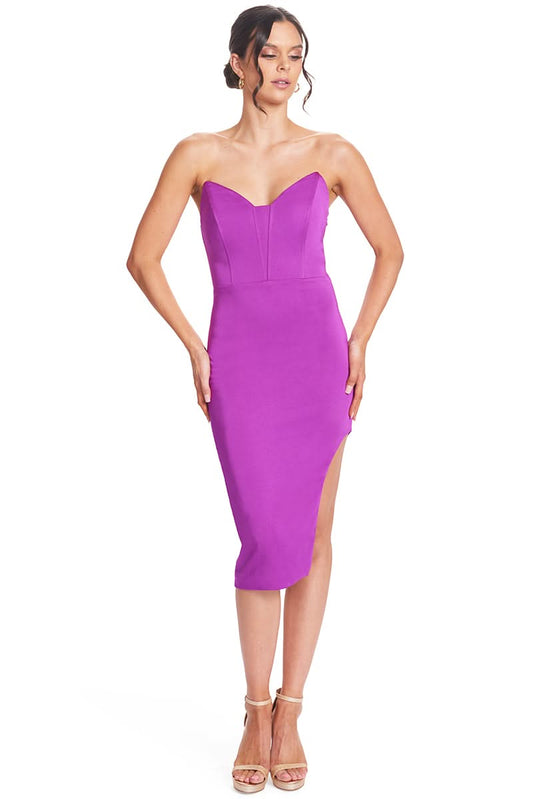
The safest necklines for professional settings are crew, boat, V-neck (moderate depth), and collared styles. Sleeveless dresses are fine in most offices when paired with a structured blazer or cardigan. Cap sleeve and short sleeve styles offer extra coverage for conservative workplaces; if your office leans business professional, keep shoulders covered and skip anything strapless or off-the-shoulder during work hours.
Structured Silhouettes and Tailoring
Structure separates a polished dress from loungewear. Look for defined shoulders, a nipped or seamed waist, and a lined bodice. Tailoring matters more than the label: a well-fitted dress in a simple fabric beats a loose designer piece.
Business Professional Dress Code for Women Explained
The business professional dress code for women calls for tailored, conservative clothing in neutral or muted colors, with covered shoulders and hemlines at or below the knee. It is the most formal end of standard office attire, common in law, finance, and client-facing roles.
| Dress Code | Hemline | Neckline | Sleeves | Fabric |
|---|---|---|---|---|
| Business professional | At or below knee | Conservative | Covered shoulders | Structured, matte |
| Business casual | Knee or slightly above | Moderate | Sleeveless OK with layer | Relaxed, breathable |
| Smart casual | Any professional length | Flexible | Flexible | Mixed textures |
Professional Dress Length Guidelines: Hemlines and Fit
Professional dress length guidelines put the hemline at or just below the knee for formal offices, and no more than a few inches above the knee for business casual. Midi silhouettes (knee to mid-calf) are the most versatile because they work across nearly every dress code. Fit matters as much as length, check these before you commit:
- Sit, stand, and reach overhead in the fitting room
- Confirm the hem stays put when seated
- Check that the waist does not twist or bunch
- Make sure the lining does not ride up under the skirt
Best Fabrics for Professional Dresses: Breathability and Wrinkle Resistance
The best fabrics for professional dresses resist wrinkles, breathe well, and hold structure. Those qualities come from specific fiber properties and weave structures, which predict how a dress behaves after a commute, a long meeting, and an after-work event.
How Breathability Actually Works
Breathability depends on moisture vapor transmission (how easily sweat vapor escapes) and air permeability (how much air moves through the weave). Natural fibers like cotton and wool excel at moisture vapor transmission. Polyester is hydrophobic, so untreated versions feel clammy, but modern performance polyesters use capillary channels to wick sweat to the surface, where it evaporates.
Fabric-by-Fabric Breakdown
- Poplin (cotton or cotton-blend): Crisp, structured, and naturally wrinkle-resistant due to its tight plain weave. Breathability is moderate, fine for spring and fall, but heavy in a heat wave. Care: machine wash cold, hang dry. Best for shirtdresses and tailored sheaths.
- Matte satin (polyester or silk blend): Smooth and drapes well. Polyester satin resists wrinkles better than silk and costs less, but breathes less well. Silk satin breathes beautifully but wrinkles easily and requires dry cleaning. Best for wrap dresses and evening-appropriate office wear.
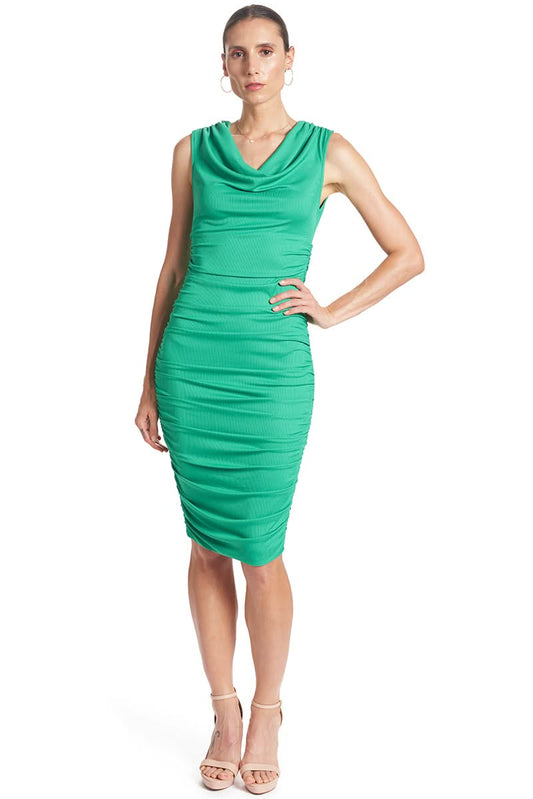
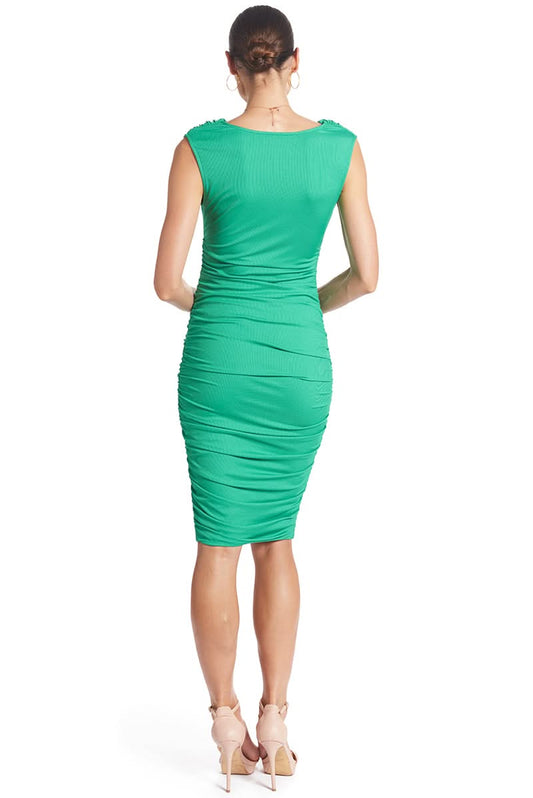
- Ponte knit (polyester-spandex blend): Stretchy, holds shape, and resists wrinkles because the knit structure lets fibers recover after stretching. Breathability depends on the blend, higher spandex reduces airflow. Look for at least 60% polyester and 8-12 oz per square yard for year-round wear. Best for sheath dresses and structured A-lines.
- Technical knits (moisture-wicking polyester or nylon blends): Engineered for commuting environments, these fabrics use capillary action to move sweat away from the body and often include anti-microbial treatments to control odor. Less formal than poplin or wool, they work best in business casual offices. Best for travel-friendly dresses and long commutes.
The Care and Cost-Per-Wear Trade-Off
Wrinkle resistance often comes at a cost: dry cleaning. A $200 silk dress that costs $15 per dry clean and gets worn twice a month has a higher cost-per-wear than a $150 ponte dress you can machine wash and hang dry. Check the care label, "dry clean only" adds up, while "machine wash cold" is a workhorse.
Seasonal Fabric Strategy
For warmer months, choose lighter poplin, cotton blends, and technical knits that wick moisture. For winter, reach for wool blends, heavier ponte, and lined styles that add warmth without bulk. Owning two fabric families keeps your dress wardrobe functional year-round without doubling in size.
How to Style a Work Dress for Day-to-Night Versatility
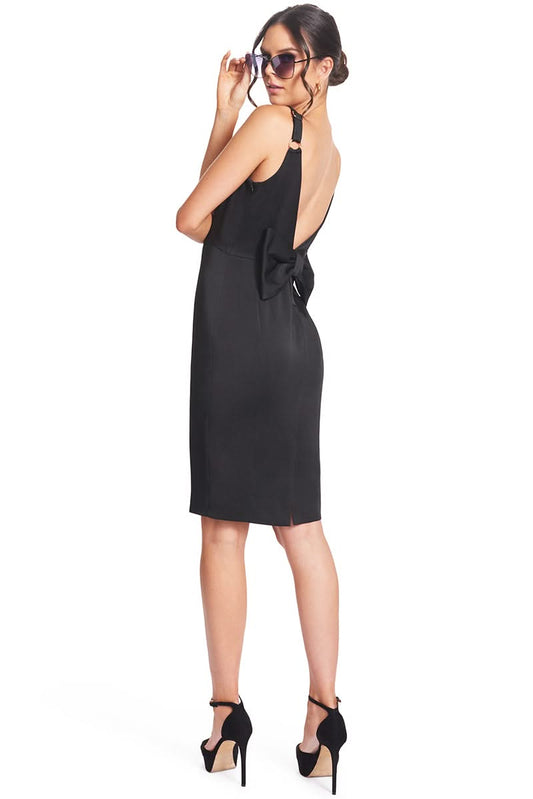
Styling a work dress for day-to-night versatility comes down to layering and accessories. The dress stays the same; the pieces around it shift the look from office-approved to evening-ready. For the office, add a structured blazer, closed-toe flats or low heels, and minimal jewelry. After hours, swap the blazer for a draped jacket or fine knit, change into heels, and add a statement piece like a bold necklace or clutch.
Top Silhouettes: Sheath, A-Line, and Shirtdress
The most reliable professional silhouettes are the wrap dress, sheath dress, A-line, fit-and-flare, and shirtdress. Each flatters a different body type and suits a different formality level; owning one of each covers nearly every work occasion.
The Sheath Dress
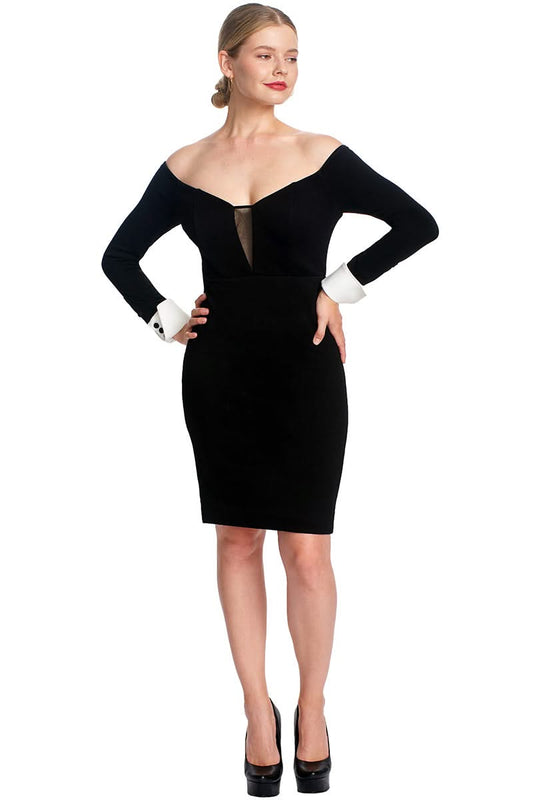
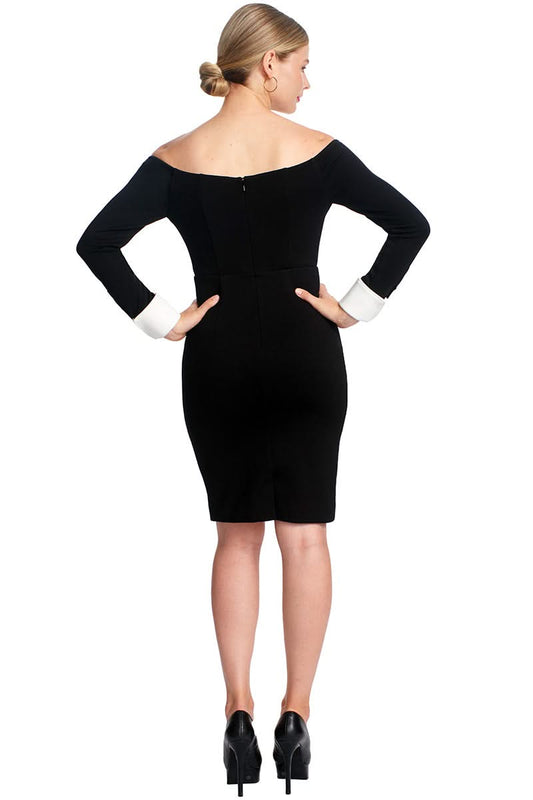
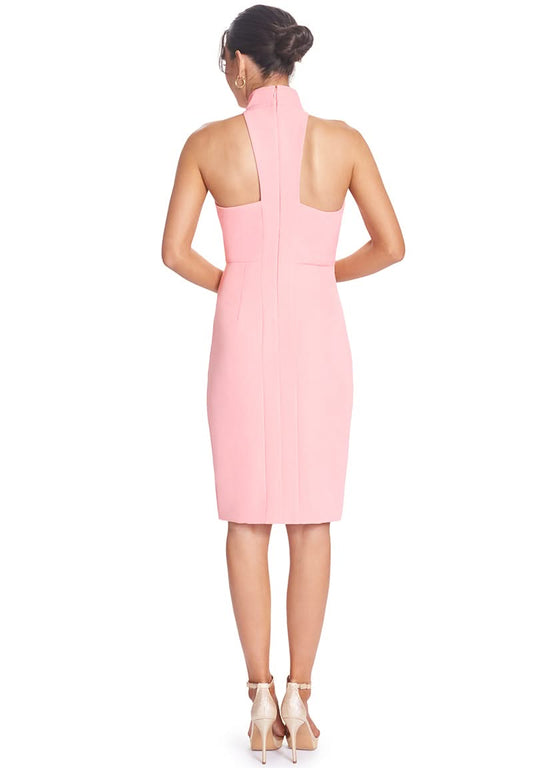
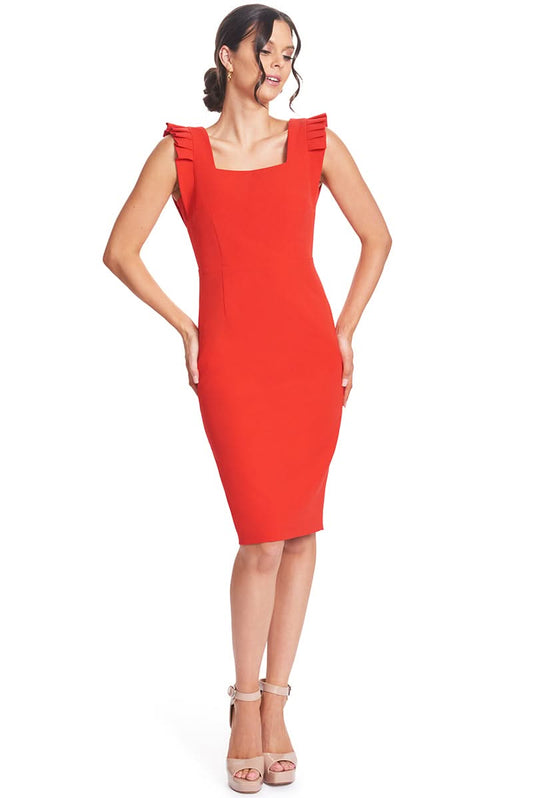
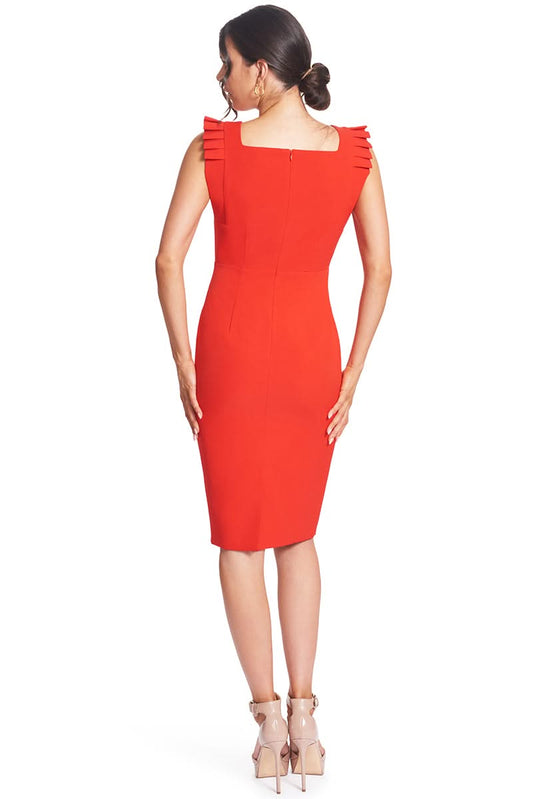
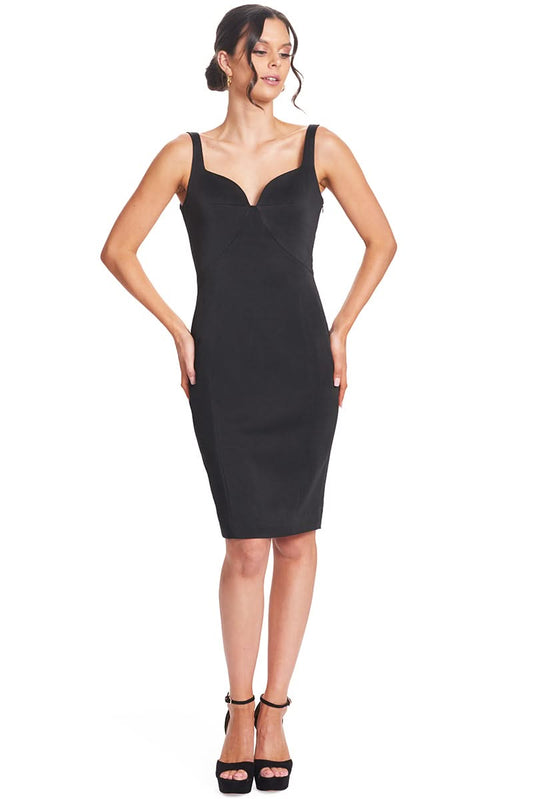
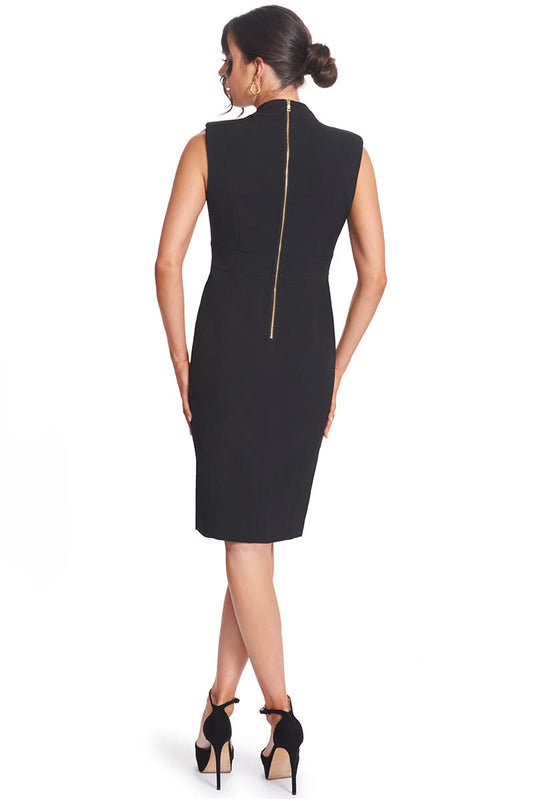
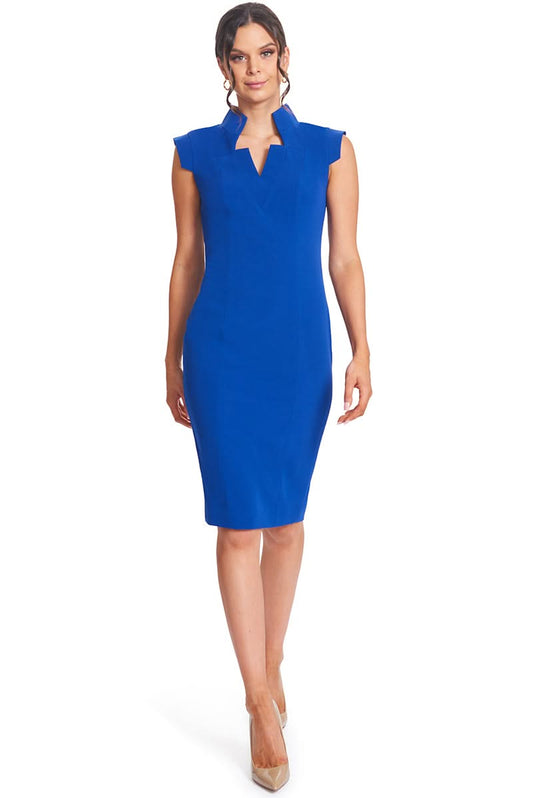
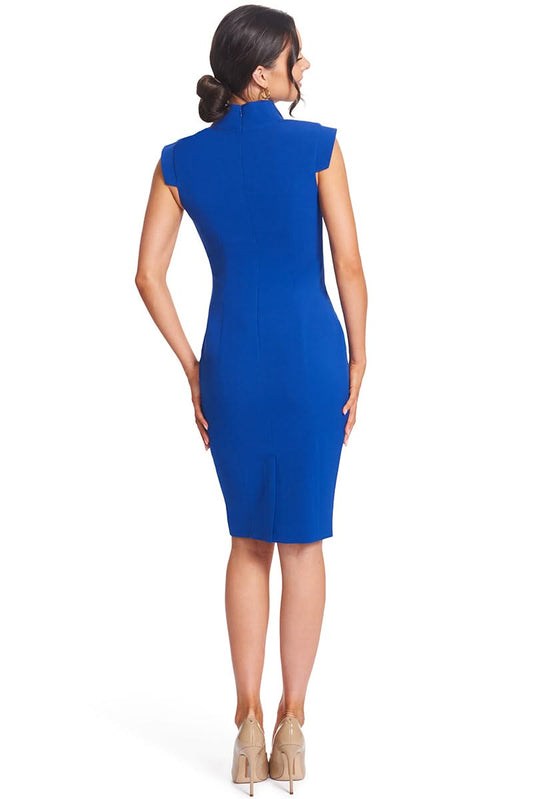
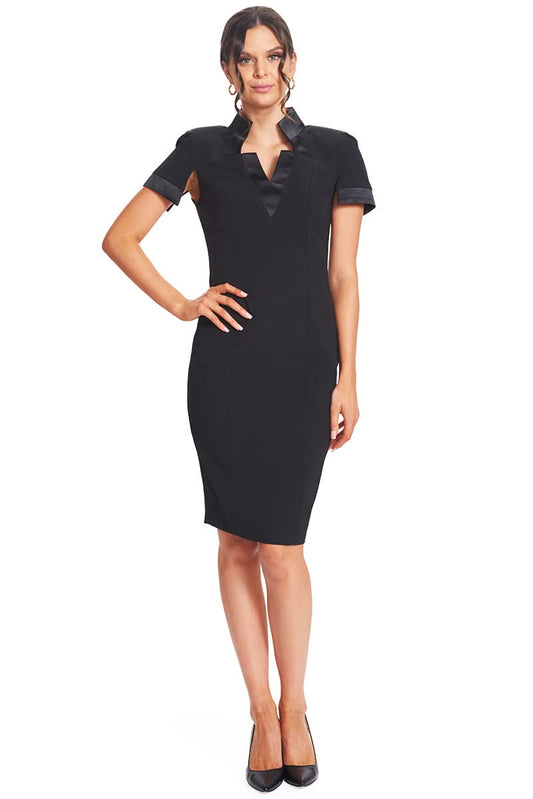
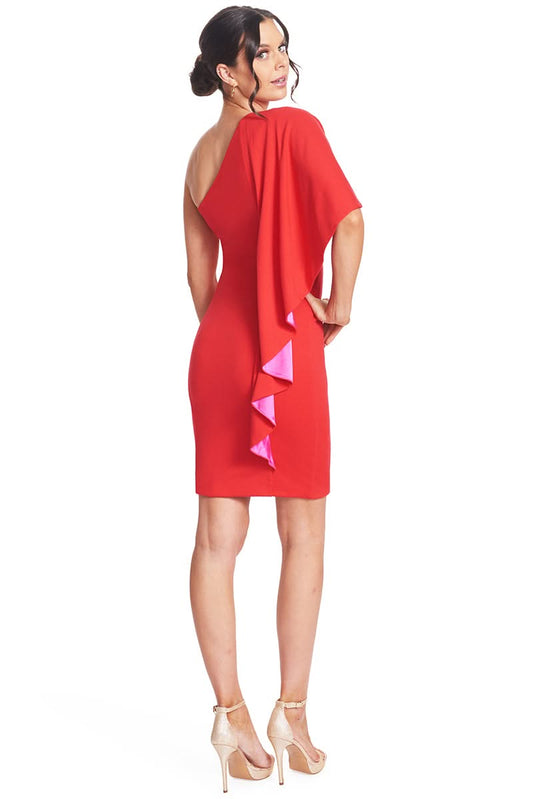
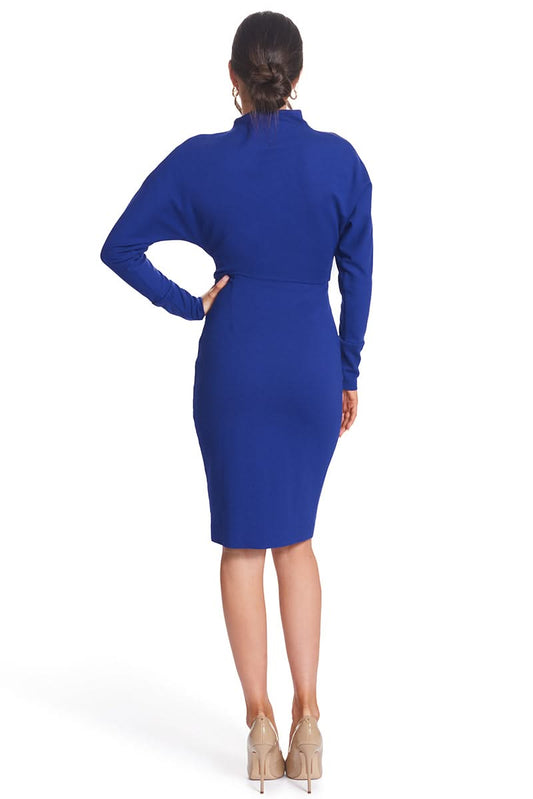
The sheath dress is the classic corporate choice. Clean lines, a defined waist, and a straight cut make it ideal for business professional settings. Choose a lined sheath in a neutral color for a true investment piece.
The A-Line and Fit-and-Flare
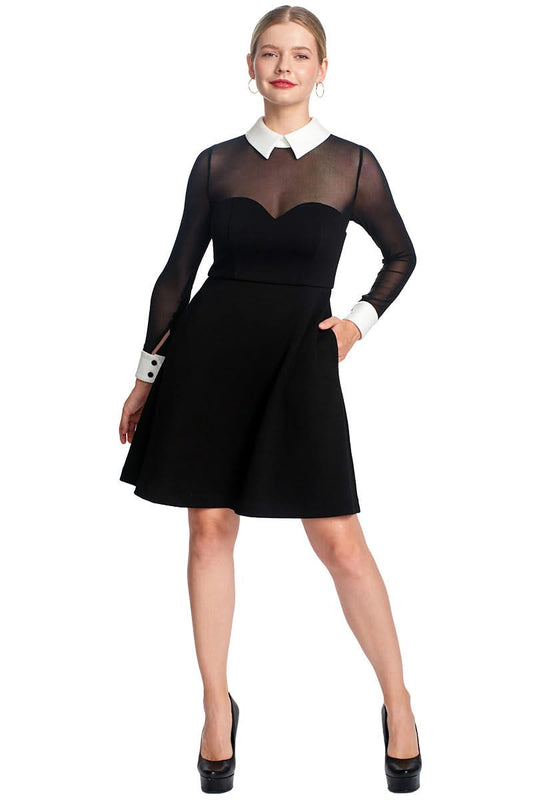
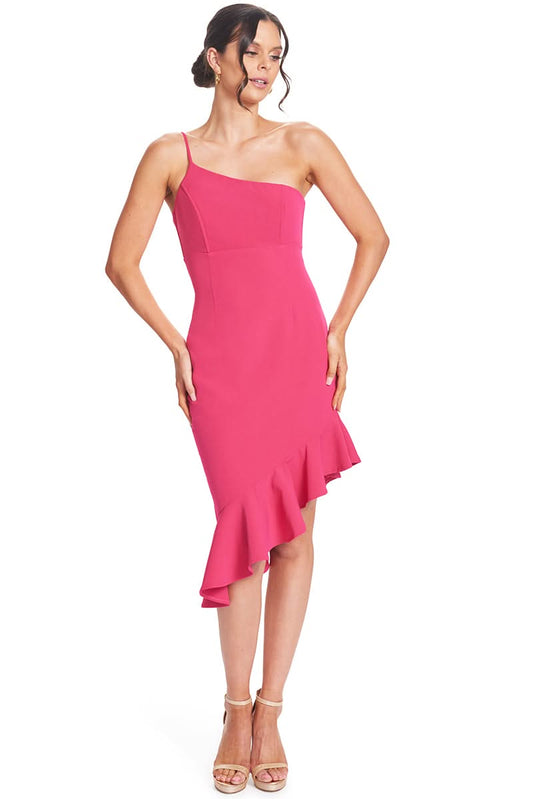
The A-line and fit-and-flare cuts skim the hips and flare at the hem, flattering pear and hourglass shapes. They read as sophisticated without being severe, making them a strong fit for business casual offices.
The Shirtdress
The shirtdress borrows from menswear tailoring, with a collar, button front, and often a belted waist. In crisp poplin, it is one of the most polished, low-maintenance workwear essentials you can own.
Building a Capsule Wardrobe with Professional Dresses
A capsule wardrobe built around professional dresses needs far fewer pieces than most women expect: a small set of dresses that mix with a few layers and accessories to cover every work scenario. But a capsule only works if every piece fits well and aligns with your values, which means addressing inclusive sizing and sustainable materials.
The 4-Dress Capsule Framework
Start with these core pieces, chosen for maximum versatility:
-
One sheath dress in a neutral color (navy, charcoal, or black) for formal meetings and client presentations
- One shirtdress in crisp poplin for business casual days and layered looks
- One A-line or fit-and-flare in a complementary neutral for variety and comfort
- One technical knit or ponte dress in a darker tone for travel, commuting, and high-stress days
- One structured blazer that layers over all five
- One pair of neutral heels and one pair of polished flats
This base can carry a full workweek and then some. The key is a shared color palette, two neutrals plus one accent, so every dress interchanges with the same blazer, shoes, and jewelry.
Fit Guide for Petite, Tall, and Plus-Size Professionals
Most capsule guides assume a standard body type. Here is how to adapt the framework for different frames:
- Petite (under 5'4"): Midi dresses can swallow your frame. Look for petite-specific cuts with a defined waist and a hemline at or just below the knee. If you buy regular sizes, budget $15-$30 for hemming. Wrap dresses often work well because the tie waist adjusts to your proportions.
- Tall (5'9" and above): Standard midi dresses may hit above the knee, which can read as too short for business professional. Look for tall sizes or longer inseams. A-line and fit-and-flare cuts with a mid-calf hemline are your friend; sheath dresses may need to be sized up and tailored at the waist.
- Plus-size: The biggest challenge is finding structured fabrics that hold shape without pulling. Ponte knit and wool blends are more forgiving than stiff poplin. Look for princess seams or a defined waist that sits at your natural waistline, not above it. Wrap dresses are often the most flattering because the tie waist creates a custom fit. Avoid clingy fabrics like thin jersey.
Frequently Asked Questions
What are the best fabrics for professional work dresses?
Look for breathable, wrinkle-resistant fabrics like matte satin, poplin, and quality knits. These hold their shape through a full workday and resist creasing during commutes. Natural fibers like cotton and wool blends offer comfort, while small amounts of elastane add stretch without sacrificing structure. Avoid thin, sheer materials that require constant adjustment. The best professional dresses for women use fabrics that look polished from morning meetings through evening events without needing a steamer or iron.
How should a professional dress fit for the office?
A work dress should skim your body without pulling or gaping. The shoulders should sit at your natural shoulder line, and the waist should define your shape without being tight. Check that you can sit, reach, and raise your arms comfortably. Professional dress length guidelines suggest hemlines at or just above the knee for most office environments. If the dress needs constant adjusting, it does not fit properly. Tailoring is worth the investment for a polished result.
What is the difference between business professional and business casual dress codes?
Business professional is the most formal office dress code, requiring tailored suits, structured dresses, and closed-toe shoes. Business casual allows more flexibility with knit dresses, A-line silhouettes, and smart separates. For a business professional dress code for women, choose sheath or fit & flare dress in solid colors with minimal embellishment. Business casual opens the door to shirtdresses and softer fabrics. When unsure, err on the side of more structure and coverage.
How do I transition a work dress from the office to an evening event?
Start with a dress that has a clean, versatile base like a midi sheath or wrap silhouette. During the day, pair it with a structured blazer and closed-toe pumps. For evening, swap the blazer for a statement clutch, add bold jewelry, and switch to heeled sandals. A desk-to-dinner dress in a matte satin or knitted fabric works for both settings without looking out of place. Layering pieces and accessories do the heavy lifting, so the dress itself stays appropriate for both environments.
Choosing the right professional dresses for women is really about matching coverage, structure, and fabric to your actual workday. The challenge is finding pieces that hold up in a formal office and still feel right at an evening event. Simona Maghen builds timeless, structured dresses with a modern edge, backed by free ground shipping and free exchanges on all U.S. orders. Shop the collection and build a work wardrobe that keeps you polished from morning meetings to after-hours plans.