


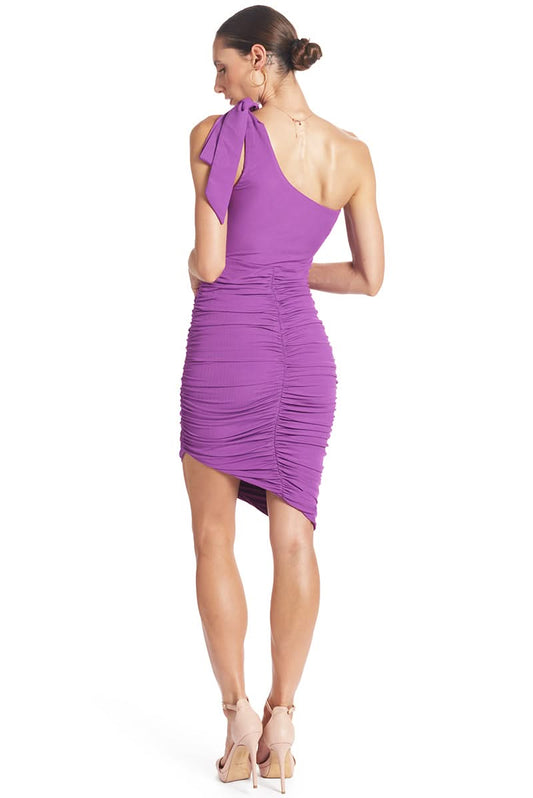
How to Style Professional Dresses for Evening in 2026
Table of Contents
- Start With a Dress That Works for Both Settings
- Day to Night Work Outfit Ideas That Actually Work
- How to Accessorize a Sheath Dress for Evening
- Business Evening Attire for Women: What the Dress Code Actually Means
- Fabric, Fit, and Silhouette: The Details That Decide
- Common Mistakes When Styling Professional Dresses for Evening
- Build a Capsule That Works Day and Night
- Frequently Asked Questions
Last Updated: September 20, 2026
Start With a Dress That Works for Both Settings
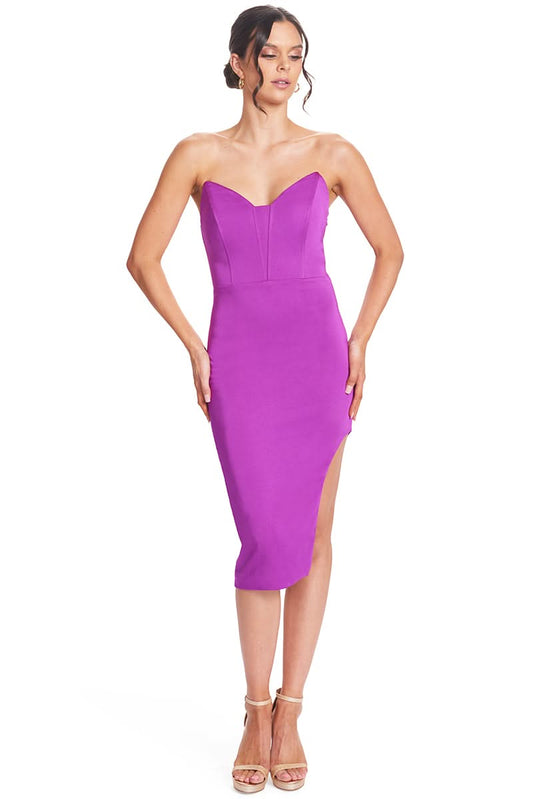
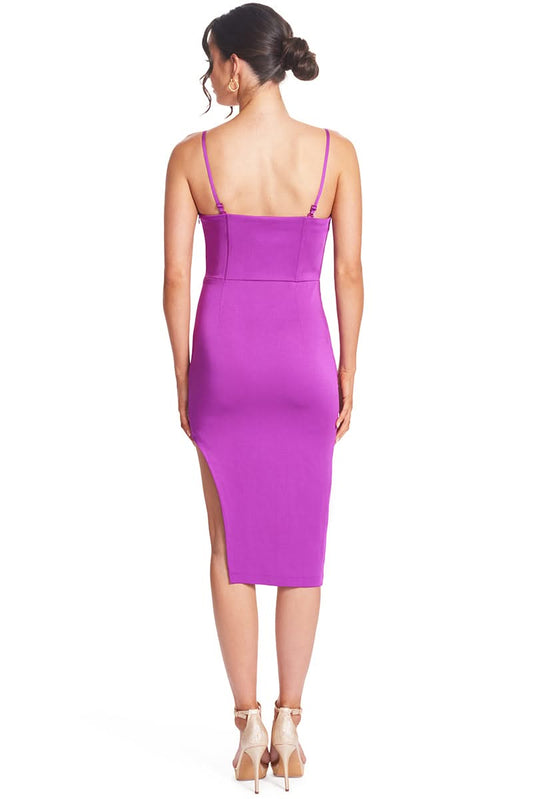
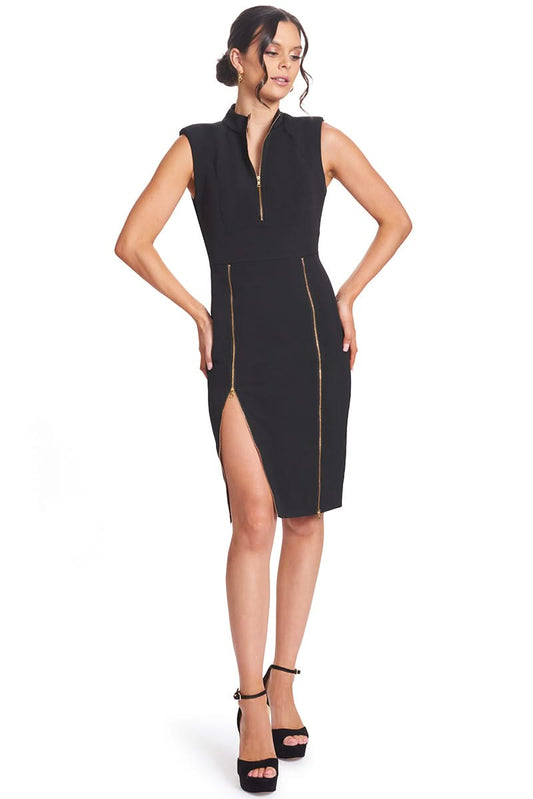
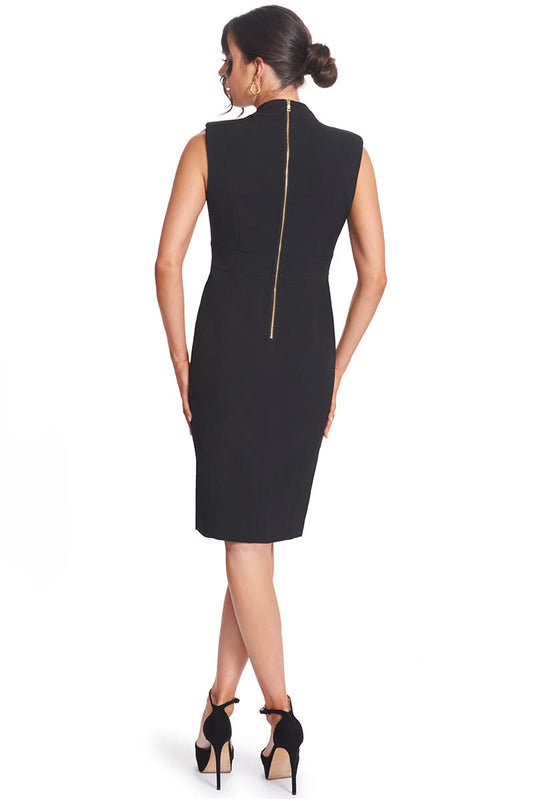
The best evening look often starts with a dress you already wore to work. According to Style Space research reported by Forbes, clothing choices significantly impact mood and the quality of your work performance, so the pieces you wear all day should already make you feel sharp. This guide from Simona Maghen shows you how to style professional dresses for evening without changing your whole outfit.
What Makes a Dress Office-Appropriate and Evening-Ready
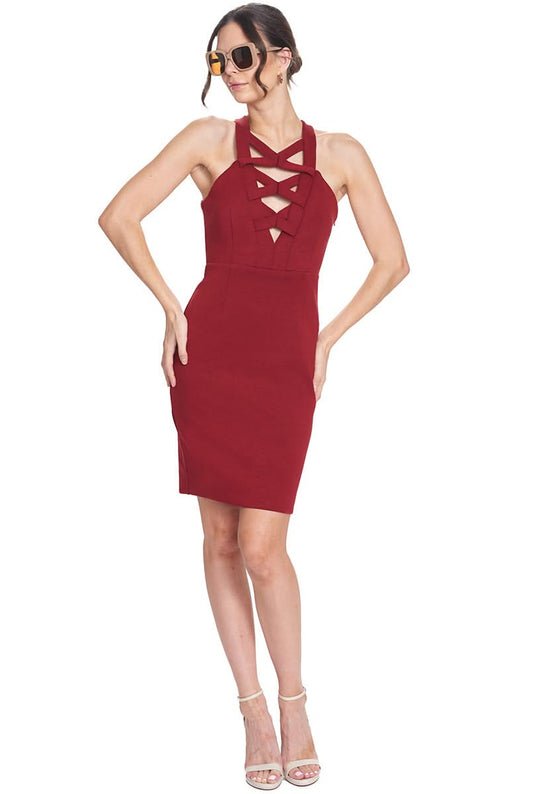
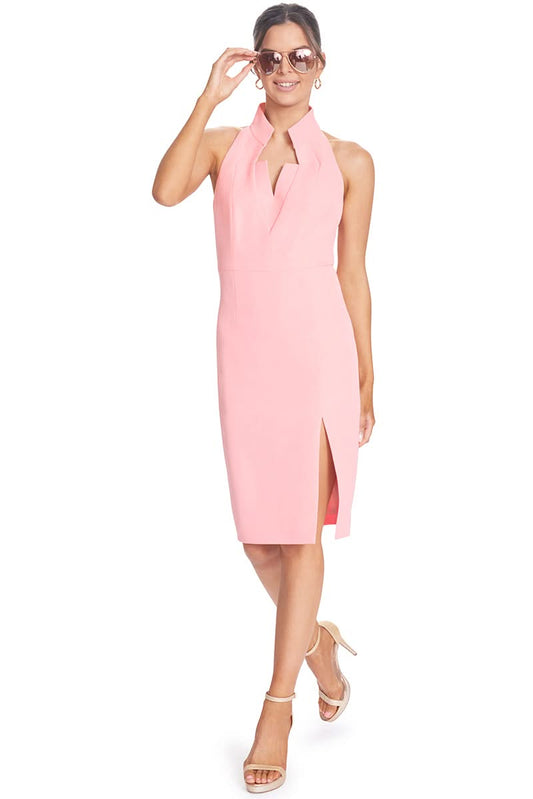
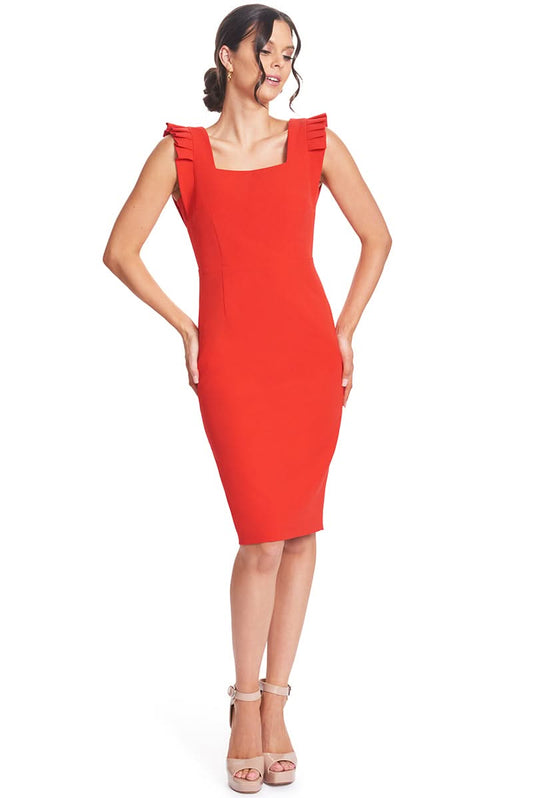
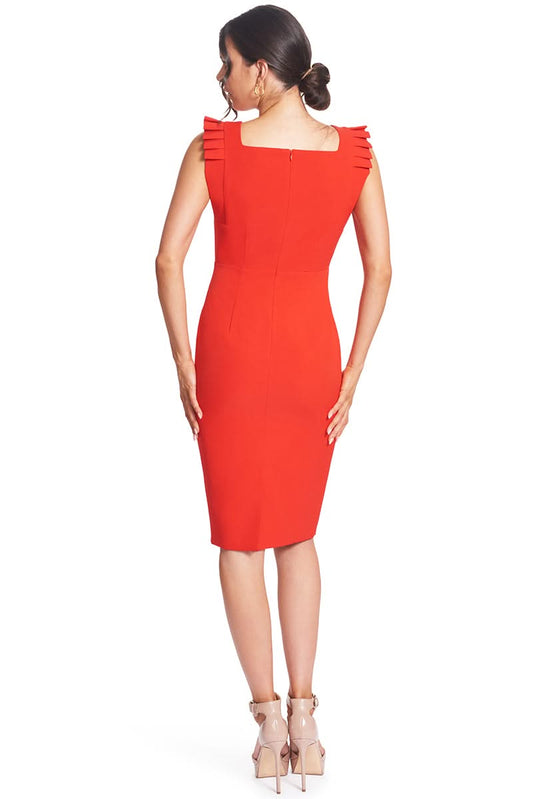
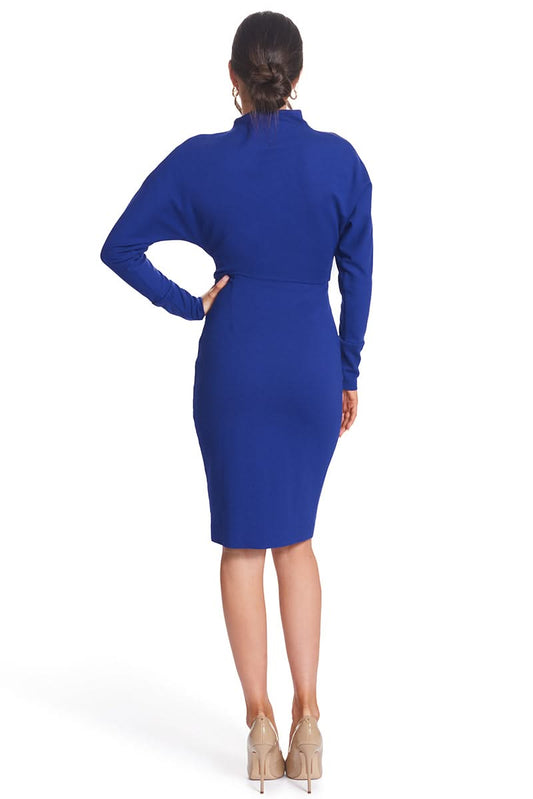
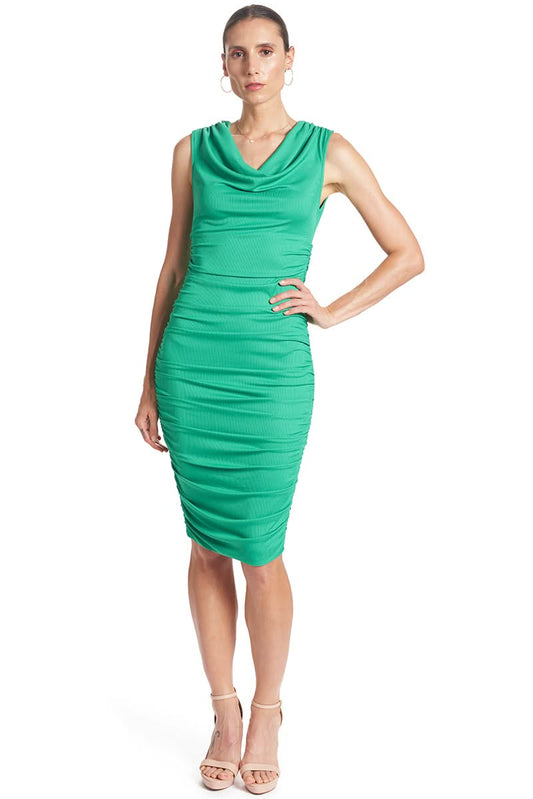
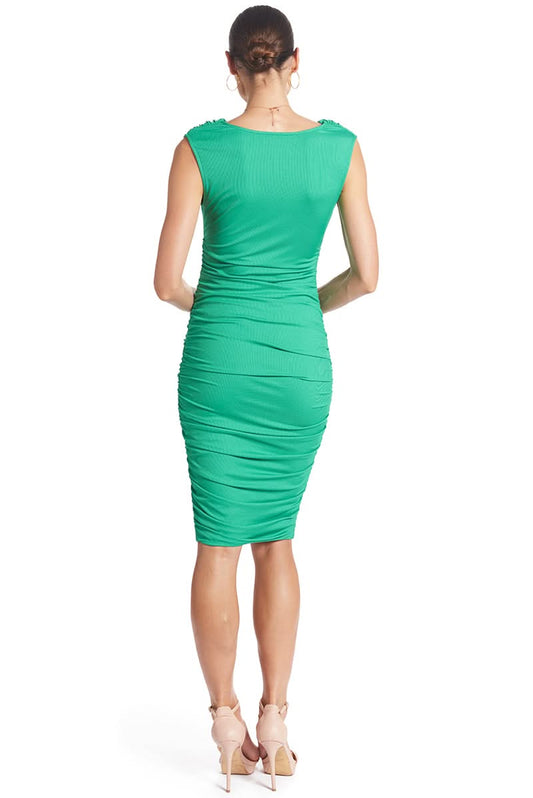
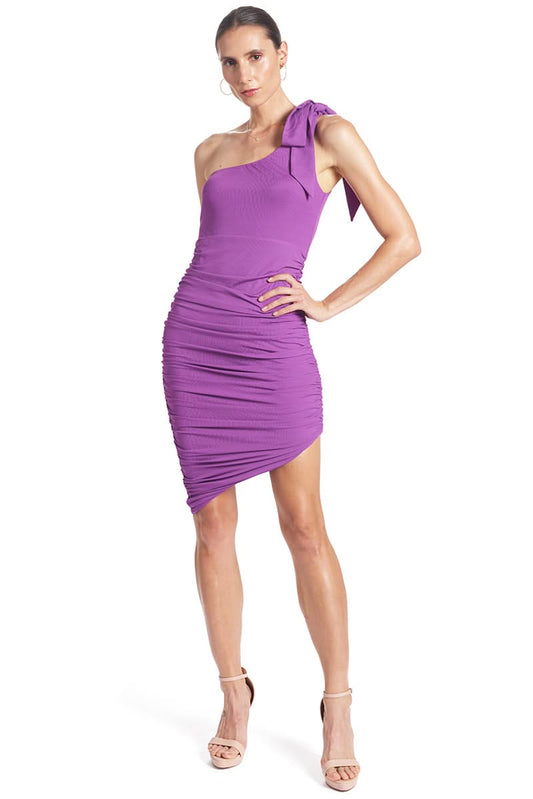
A dress that works for both settings hits three marks: a refined silhouette, quality fabric, and a length that suits a business setting. Ponte, crepe, and structured knits hold their shape through a long day. They also photograph well under evening lighting.
Look for:
- Clean lines and a defined waist
- Fabric with some weight and drape
- A hemline at or just above the knee
- Neutral or deep tones that suit both settings
Day to Night Work Outfit Ideas That Actually Work
The fastest day to night work outfit ideas rely on one swap, not a full change. You keep the dress and change what surrounds it.
- Swap a tote for a clutch bag
- Trade flats or low pumps for heels
- Add statement jewelry
- Layer a blazer for the commute, then remove it
The Blazer Swap: Your Fastest Transition Trick
A convertible blazer is the single most useful piece for this transition. The Simona Maghen Convertible Blazer wears three ways: long for a tailored office silhouette, half-zipped for a modern proportion, or cropped for a completely different evening look.

How to Accessorize a Sheath Dress for Evening
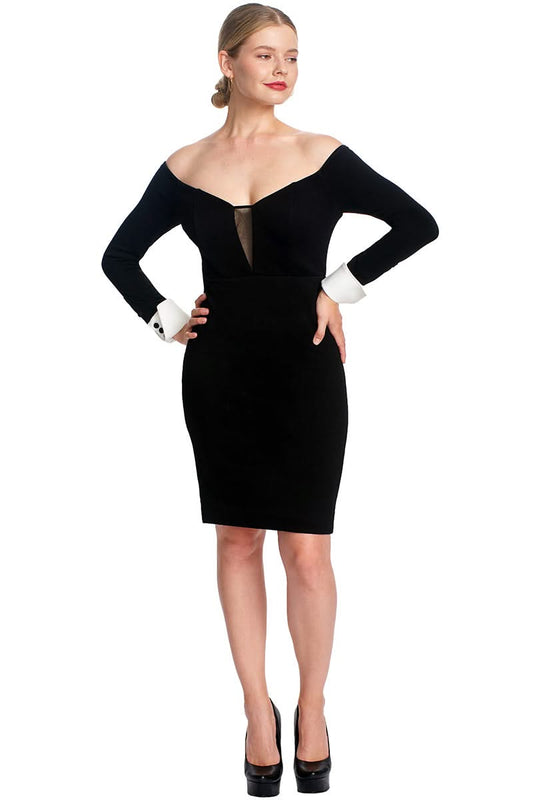
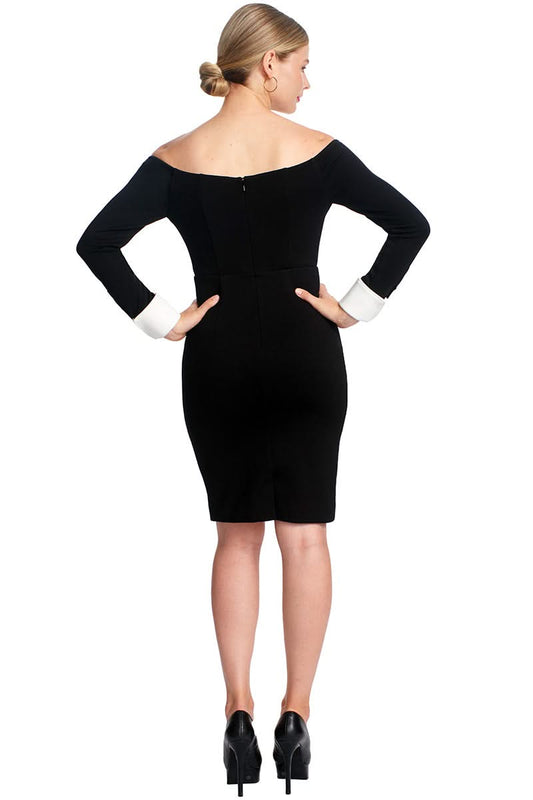
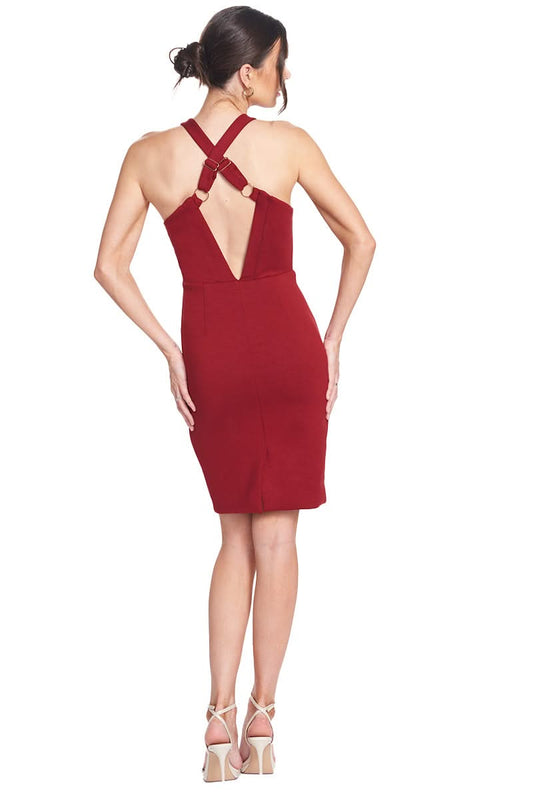
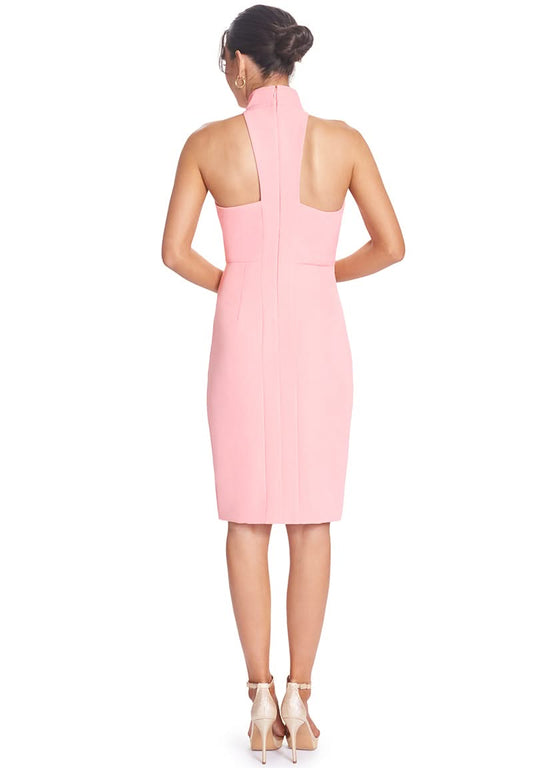
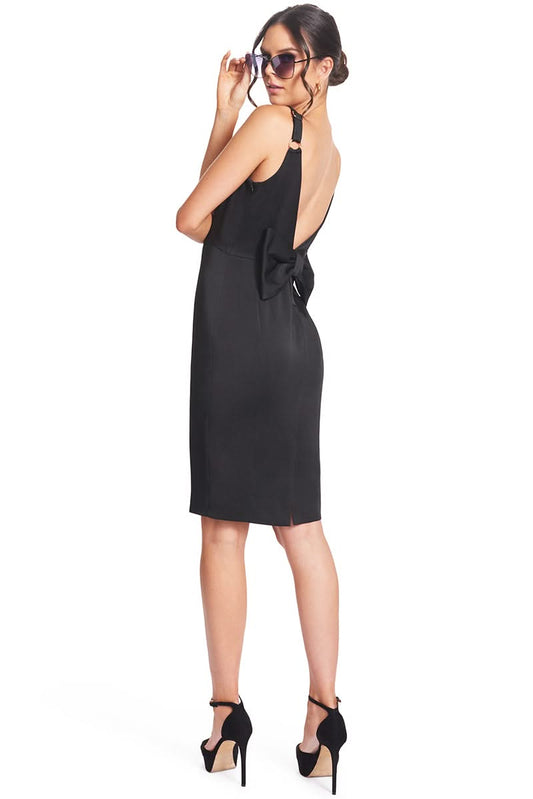
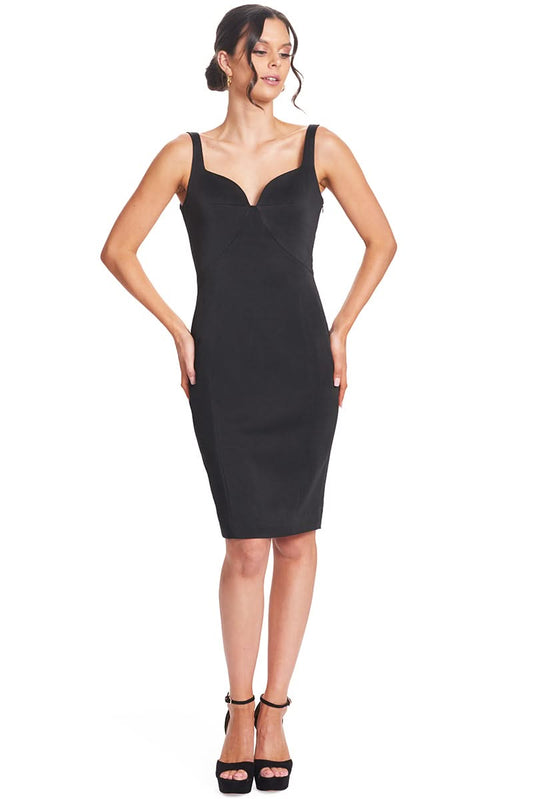
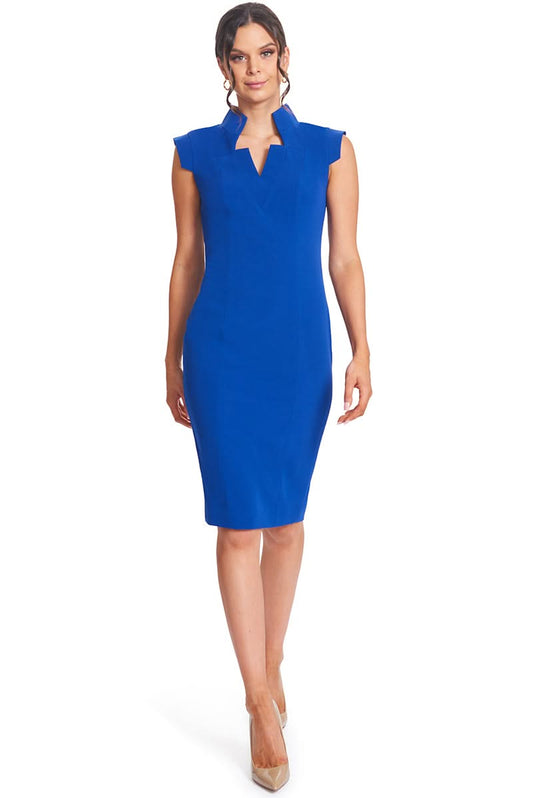
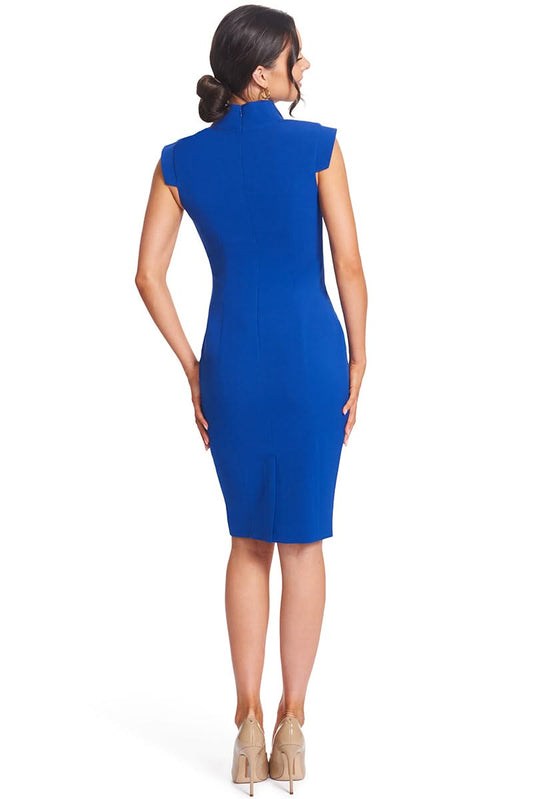
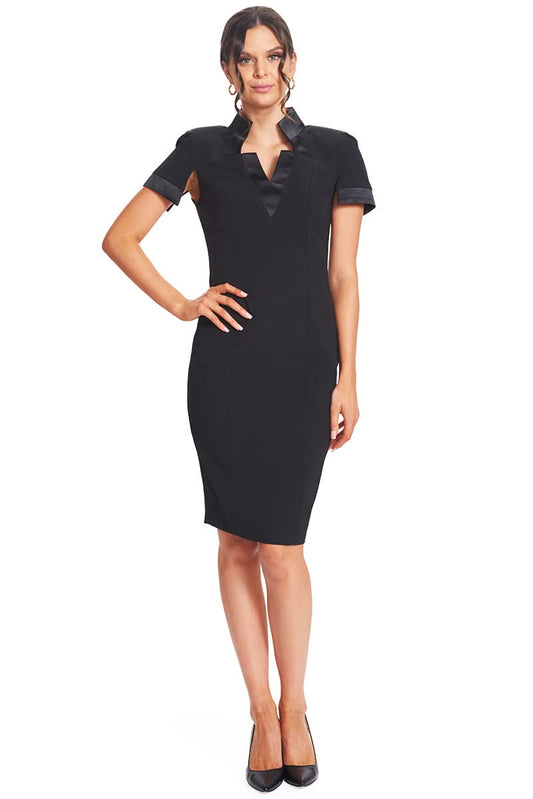
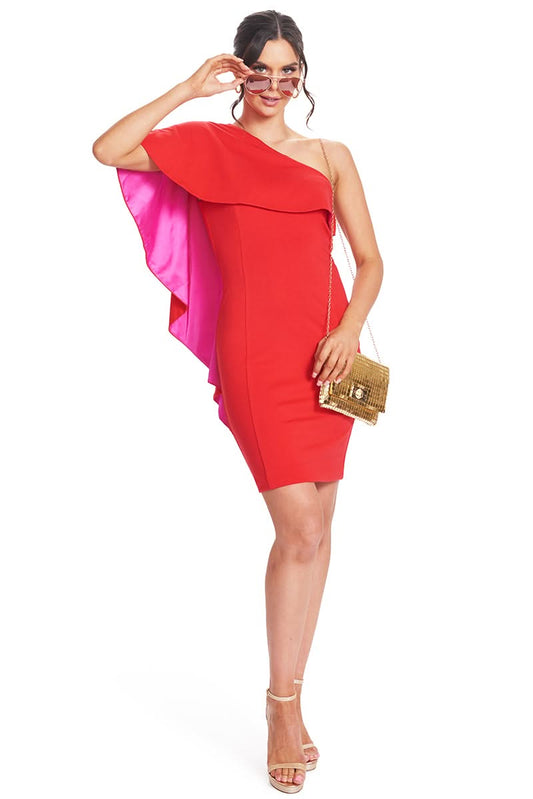
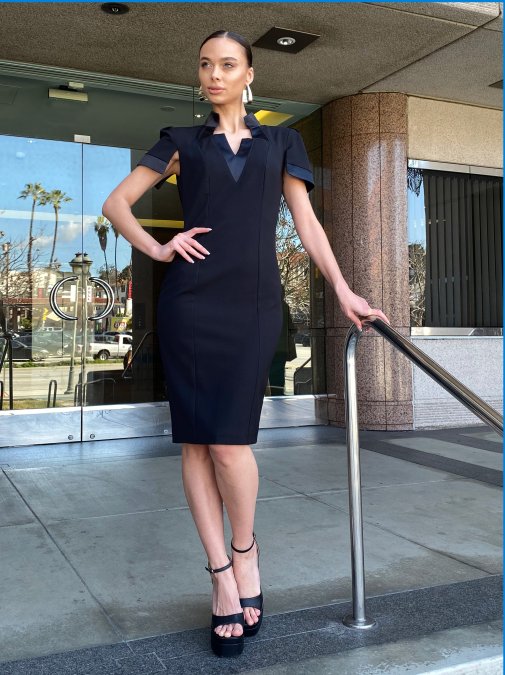
To accessorize a sheath dress for evening, follow one rule: keep the dress simple and let the accessories carry the drama. A sheath already has clean lines, so it needs contrast, not competition.
Jewelry, Clutches, and Shoes That Elevate the Look
Build the evening version in three moves:
- Statement jewelry. One bold piece, such as gold hoops or a sculptural cuff. Skip the full set.
- A clutch bag. Structured and small. It signals evening instantly.
- The right shoe. A stiletto or a sleek ankle boot both work. Match the formality of the venue.
Keep metals consistent. Gold with gold, silver with silver. This small choice makes the whole look feel deliberate.
Business Evening Attire for Women: What the Dress Code Actually Means
Business evening attire for women usually means polished and refined, not full formal. Think cocktail-adjacent, not black-tie. You want to look like you came from important work, because you did.
|
Dress Code |
Hemline |
Fabric |
Shoe |
Best For |
|---|---|---|---|---|
|
Business casual evening |
Knee-length |
Ponte, crepe, structured knit |
Low pump or sleek flat |
Office mixers, networking hours |
|
Cocktail |
Knee to midi |
Velvet, satin, heavy crepe |
Stiletto or ankle boot |
Awards, galas, holiday parties |
|
Semi-formal |
Midi to floor |
Silk, structured knit, taffeta |
Heeled sandal or pump |
Fundraisers, seated dinners |
|
Formal / black-tie optional |
Floor-length (midi acceptable if cut is sharp) |
Silk, taffeta, crepe |
Satin pump |
Black-tie events, galas |
Reading the Venue, Not Just the Invitation
Three cues tell you more than the dress code line ever will:
- Time of day. A 6 p.m. reception reads more relaxed than an 8 p.m. seated dinner, even when both say "cocktail." Earlier start times tolerate a midi; later start times reward a longer hemline and a richer fabric.
- Venue type. A hotel ballroom, museum, or private club signals traditional formality, go longer and darker. A rooftop, gallery, or restaurant private room signals modern cocktail, a well-cut midi in velvet or satin holds its own.
- Indoor vs. outdoor. Outdoor evening events in cooler months justify a heavier fabric, a closed-toe shoe, and a wrap or tailored jacket. Indoor events let you commit to a lighter fabric and open shoe.
The One-Step Rule
When the invitation is ambiguous, go one step up in fabric and shoe, never one step down. A structured crepe midi with a satin pump reads correctly at both a cocktail reception and a semi-formal dinner. A thin office knit with a flat does not.
Fabric, Fit, and Silhouette: The Details That Decide
Fabric, fit, and silhouette decide whether a dress reads professional or plain. Get these right and the styling almost handles itself. Most guides stop at "pick an A-line", this section goes further and matches the cut to your actual body shape, which is where the real difference shows.
Start With Fabric Drape
Structured fabrics hold a shape and look expensive under low light. Thin, clingy knits show every seam and wrinkle by dinner. For evening, prioritize:
- Ponte and heavy crepe, hold structure through a long day, resist wrinkling, and photograph well under warm lighting.
- Velvet and satin, read instantly as evening, but show every pull and crease, so fit must be precise.
- Structured knits, comfortable for long wear, but choose a heavier weight so the dress doesn't cling.
Match the Silhouette to Your Body Type
Generic advice says A-line flatters everyone. In practice, the best evening silhouette depends on where you want structure and where you want ease.
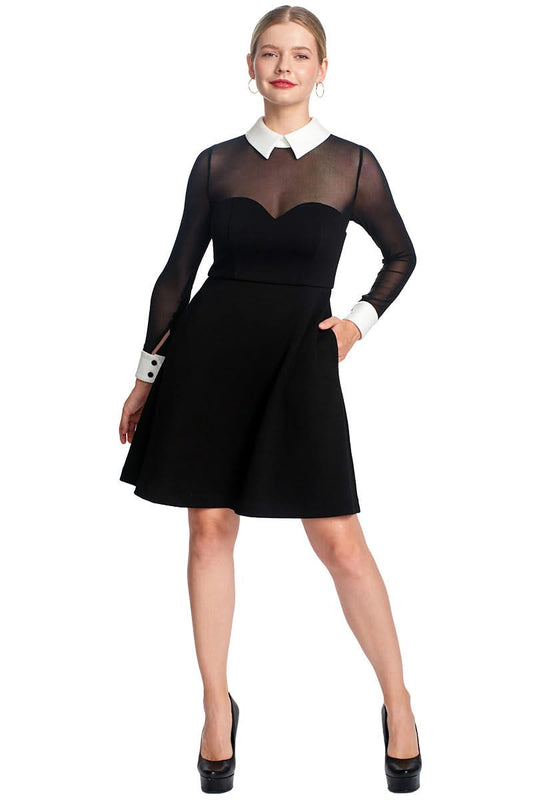
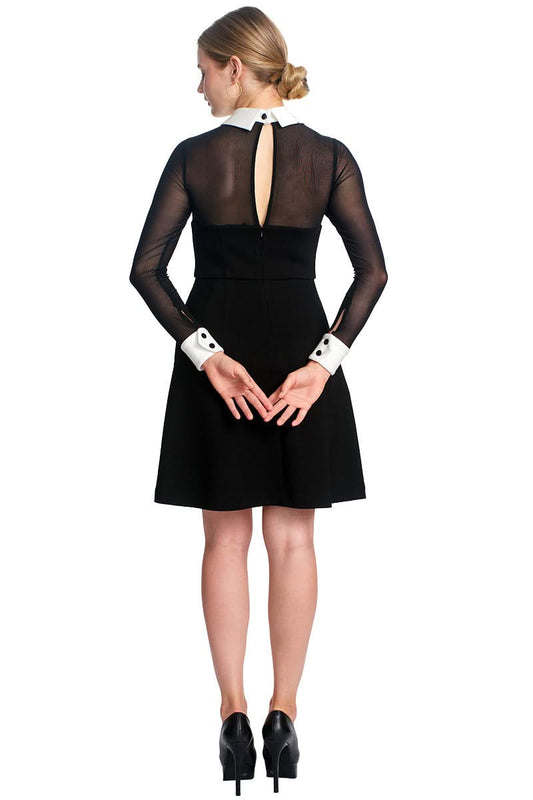
- Pear shape (wider hips, narrower shoulders). A fit-and-flare or A-line with a defined waist balances the lower body and draws the eye up. Add a structured shoulder, a wing collar, a slight puff, or a tailored blazer, to even out proportions.
- Hourglass (defined waist, balanced bust and hips). A sheath or wrap silhouette follows your natural line without adding volume. Avoid boxy cuts that hide the waist; the whole advantage of this shape is the defined middle.
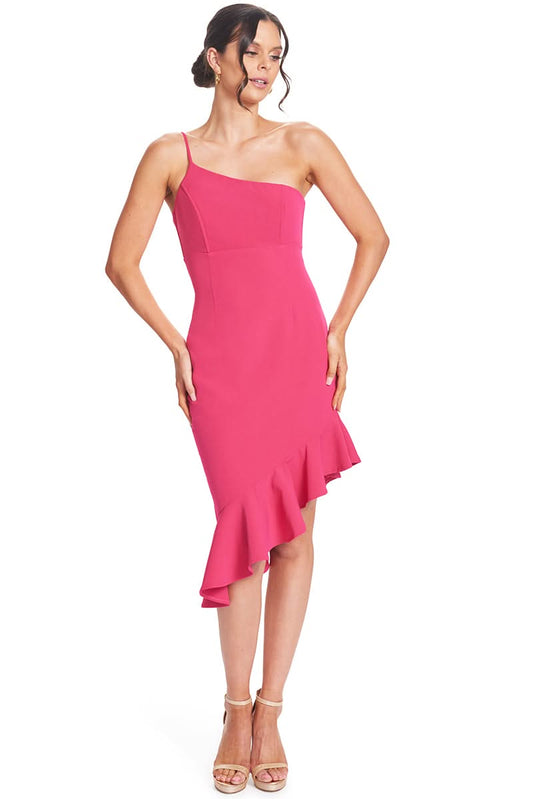
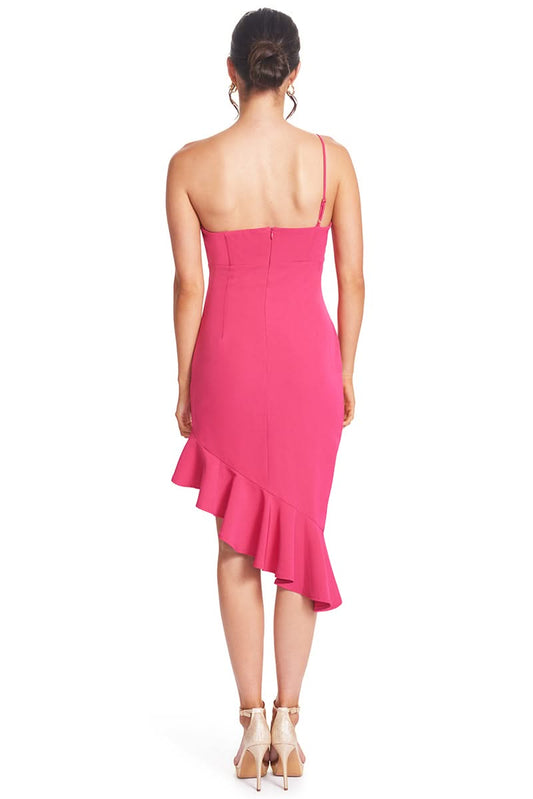
- Athletic or straight (minimal waist definition). A column or sheath with a belt, a lace-up waist, or a peplum detail creates the curve the dress otherwise lacks. A fit-and-flare also works if the waist seam sits at your natural waist, not above it.
- Apple shape (fuller midsection, narrower hips). An empire or A-line cut that skims the midsection and flares below the bust is the most forgiving. Choose a fabric with weight so it drapes rather than clings.
- Tall frames. A column or floor-length cut uses your height instead of fighting it. Midi lengths can read short on taller frames, check the hem against your shoe before committing.
- Petite frames. A sheath or fit-and-flare at or just above the knee keeps the line long. Avoid heavy fabrics that overwhelm a smaller frame, and keep the shoe and hemline close in tone so the leg line reads continuous.
The Fit Check That Matters Most
Before you commit to a dress for an evening event, check three points:
- The waist seam. It should sit at your natural waist. A seam that sits too high or too low throws off every proportion below it.
- The shoulder line. The seam should end at the edge of your shoulder, not past it. A dropped shoulder reads casual; a sharp shoulder reads polished.
- The hem against your shoe. Put on the actual shoe you plan to wear. A hemline that grazes the top of the shoe reads intentional; one that stops mid-calf reads accidental.
Common Mistakes When Styling Professional Dresses for Evening
Most styling problems come from a handful of repeat mistakes. Fix these and your transition gets easy.
- Over-accessorizing. Too many bold pieces fight each other.
- Ignoring proportions. A long blazer over a long dress can swallow your shape.
- Wrong shoe height. Flats at a cocktail event read as underdressed.
- Skipping the fabric check. Wrinkled or thin fabric undoes a good cut.
- Forgetting color coordination. Stick to two or three tones.
Build a Capsule That Works Day and Night
A small capsule of versatile pieces covers more events than a closet full of single-purpose dresses. This is the angle most guides skip, and it is where the real value sits.
Build around:
- One structured sheath in a deep neutral
- One fit-and-flare for variety
- One convertible blazer
- One pair of heels, one clutch, one set of statement jewelry
Frequently Asked Questions
What is the 3-3-3 rule for styling professional dresses for evening?
The 3-3-3 rule suggests limiting your outfit to three colors, three textures, and three accessories. For professional dresses transitioning to evening, this means choosing a neutral base dress, adding one textural contrast like velvet or satin, and selecting three statement pieces such as earrings, a clutch, and heels. This framework keeps your look polished without feeling overdone, and it works with sheath dresses, fit-and-flare silhouettes, and blazer-layered outfits alike.
How do you transition a professional dress from the office to an evening event?
Start with a structured dress appropriate for work, then swap key accessories. Replace your tote with a clutch, trade flats or low pumps for heels, and add statement jewelry. If your dress is simple, layer a convertible blazer during the day and remove it for evening. The Chelsea Pinstripe Dress from Simona Maghen works well for this: pair it with grey pumps for the office, then switch to heels and a bold necklace for after-hours events.
What accessories elevate a work dress for a formal evening setting?
Statement jewelry, a metallic or velvet clutch, and heeled shoes in a complementary tone make the biggest difference. For sheath dresses specifically, a thin belt or the dress's own velvet detail can define your waist. Swap daytime studs for drop earrings or a bold cuff. A blazer with gold hardware, like the Convertible Blazer from Simona Maghen, adds structure and polish when worn cropped or long depending on the venue.
What are the best fabric choices for professional evening wear?
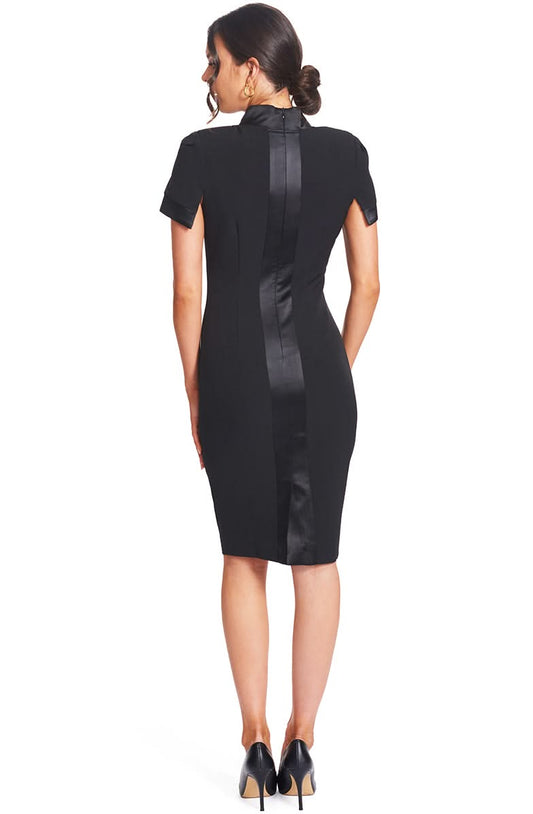
Ponte, stretch crepe, and velvet blends hold structure while feeling refined enough for evening. Ponte keeps its shape, and moves with you through a long day, and resists wrinkling. Stretch crepe drapes elegantly and works for both office and dinner settings, and is fairly wrinkle resistant. Satin bands, like the bands on the Top Notch Dress, add a luxurious touch without being overly formal. Avoid thin cottons or casual knits that read as daytime-only, and choose fabrics with enough weight to hang well.
Styling professional dresses for evening comes down to choosing structured pieces and swapping a few accessories. It is a skill, not a lucky find. Simona Maghen builds dresses and blazers for exactly this kind of day-to-night wear, with intentional structure, refined fabrics, and versatile silhouettes like the Convertible Blazer and the Nicola Sheath Dress. Shop Simona Maghen to build a wardrobe that keeps you polished from your first meeting to your last toast.