


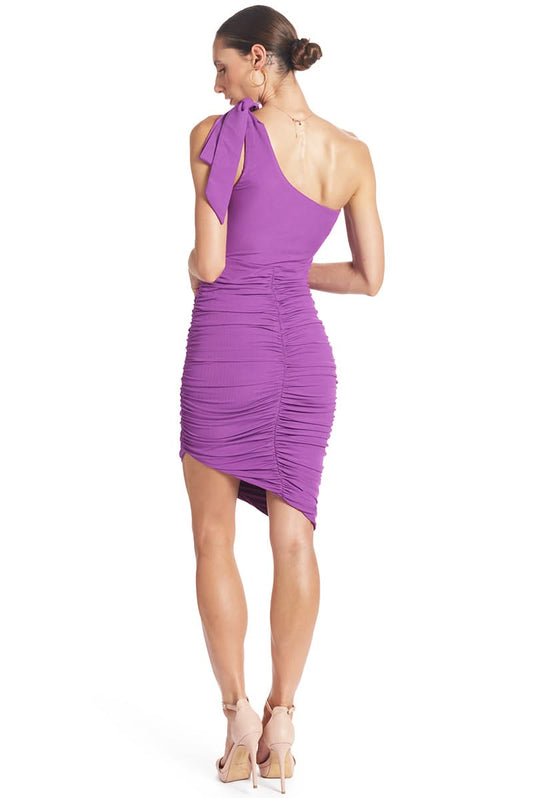
7 Ways to Tell If Expensive Clothing Is Worth the Price
Last Updated: October 28, 2026
Quick Summary
Expensive clothing is worth the price only when it delivers better fabric, construction, and fit, not just a label. A higher price does not guarantee quality, so check seams, hems, buttons, and lining, then compare cost per wear over the garment's lifespan.
- Six of ten best-performing T-shirts in a 2025 wear test cost less than £15.
- Check fabric by holding it to the light; easy visibility suggests it will wear thin.
- Inspect seams, hems, buttons, zippers, and lining before buying any garment.
- Calculate cost per wear by adding ownership costs and subtracting resale value.
- Spend more on tailored jackets, structured dresses, and well-cut trousers you wear often.
Table of Contents
- Is Expensive Clothing Better Quality, or Just More Expensive?
- How to Tell If Clothes Are Good Quality Before You Buy
- What Drives the Price Markup, and What You Are Paying For
- Calculating Cost Per Wear: The Math That Settles the Question
- Which Pieces Deserve a Higher Budget in a Work Wardrobe
- Care, Repair and Lifespan: How Long Garments Should Last
- Where to Put Your Next Dollar: Choosing Pieces to Shop First
- Frequently Asked Questions
Is Expensive Clothing Better Quality, or Just More Expensive?
Is expensive clothing worth the price? For many professional women, the honest answer is: sometimes. A higher price tag does not guarantee a better garment. Recent wear testing found that six of the ten best-performing T-shirts cost less than £15, and several pricier shirts fell behind them (Texintel's 2025 T-shirt durability study). Price and quality are related, but they are not the same thing.
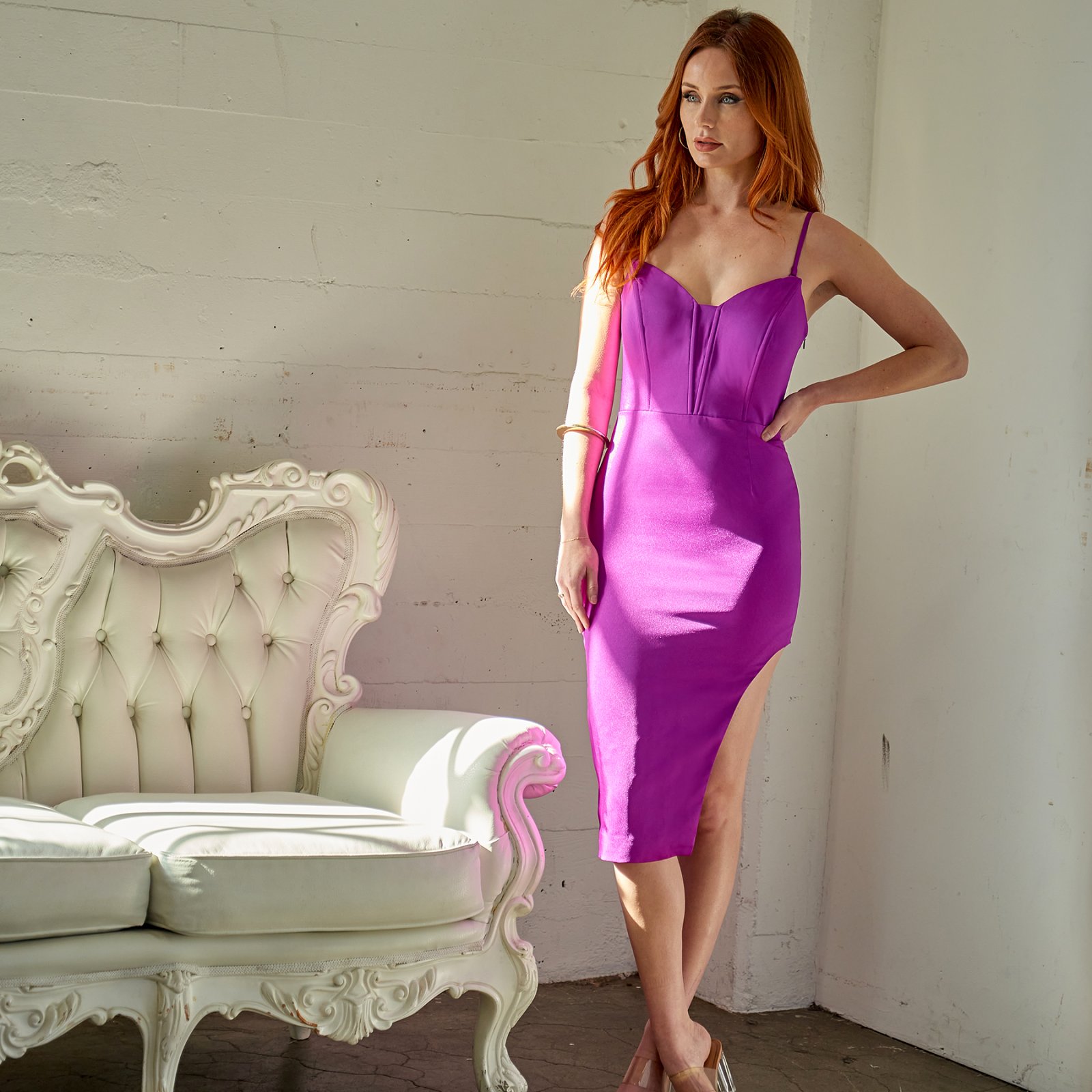
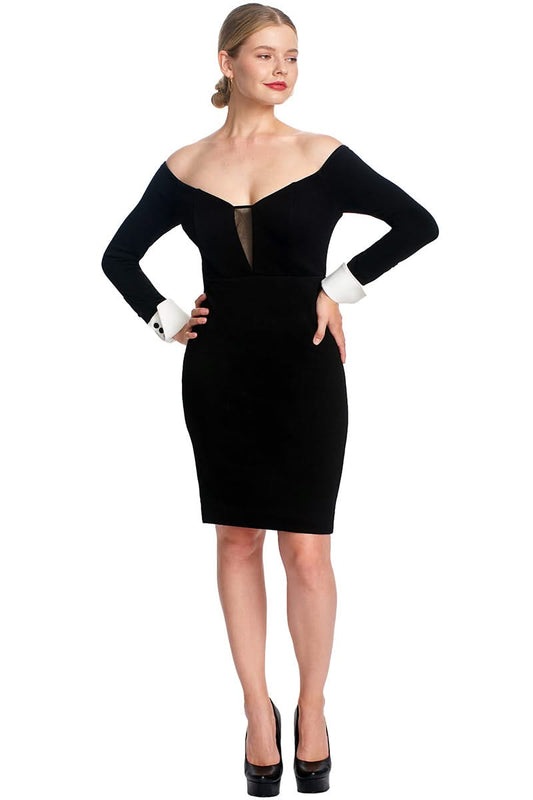
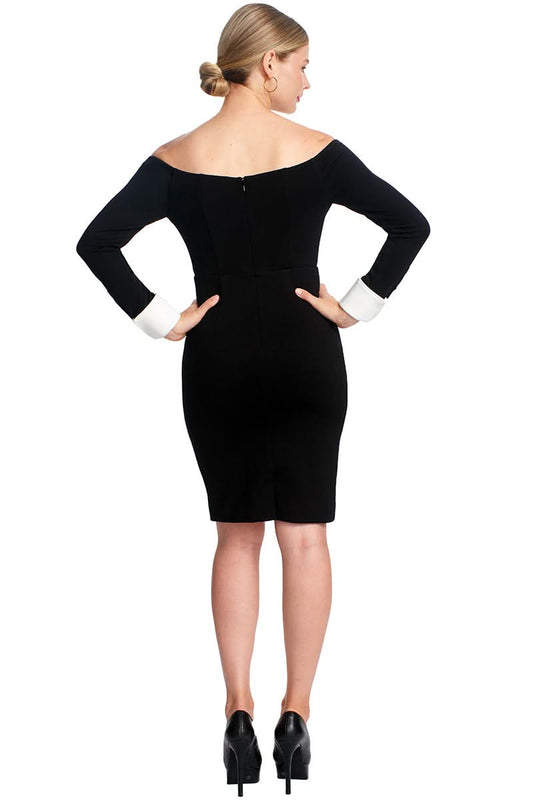
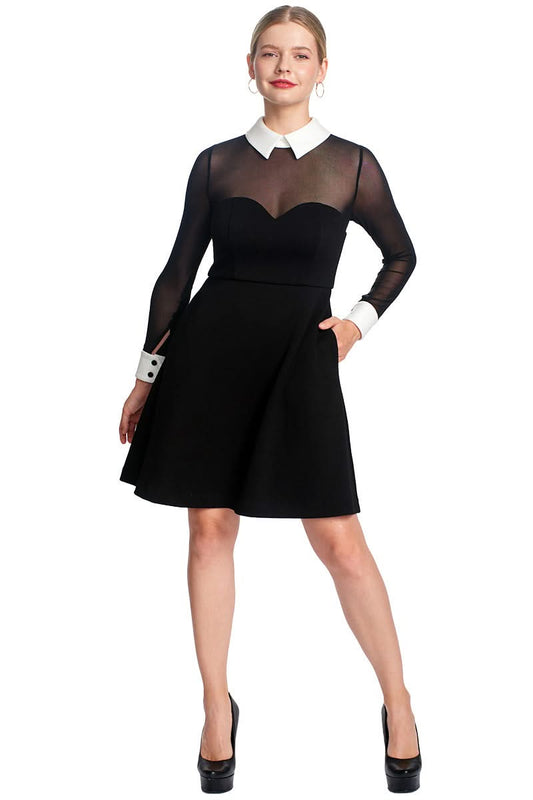
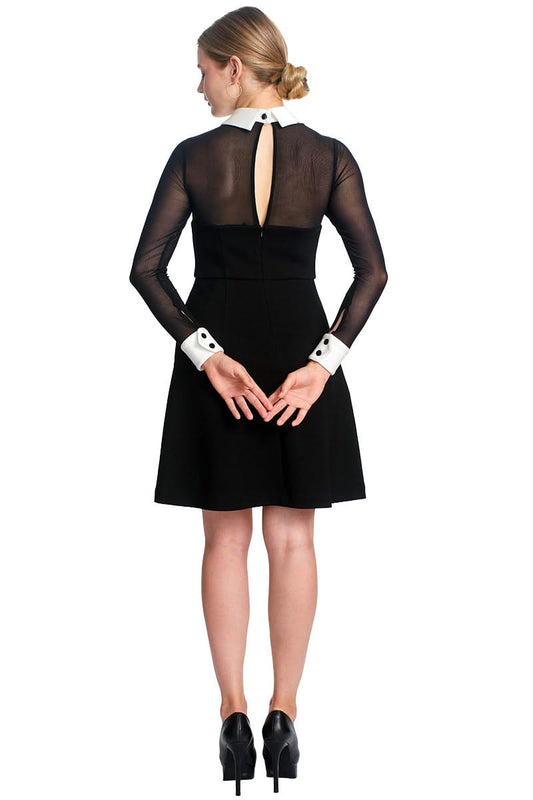
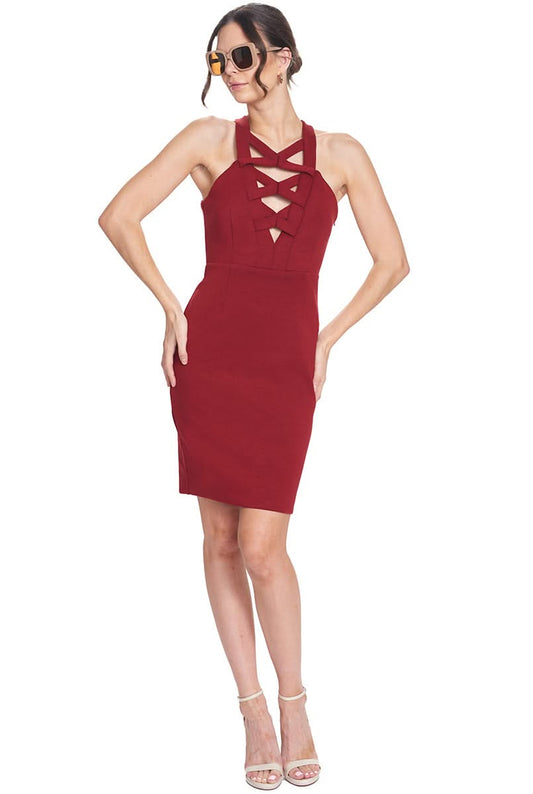
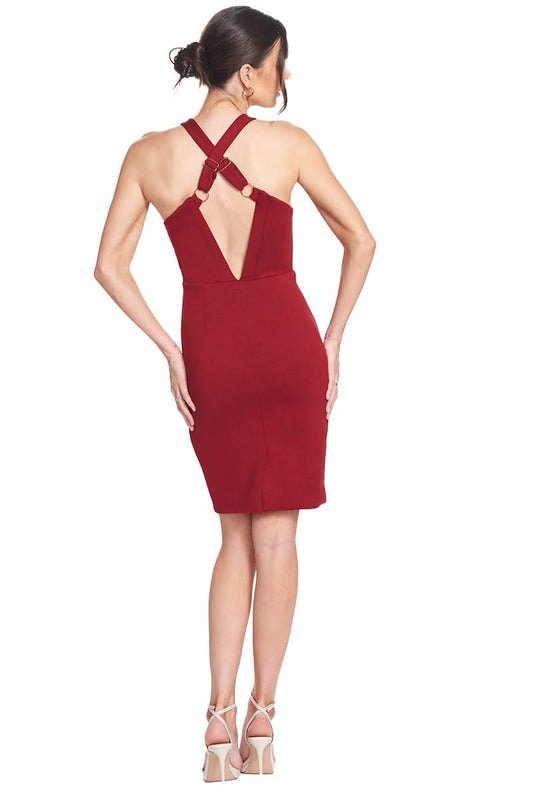
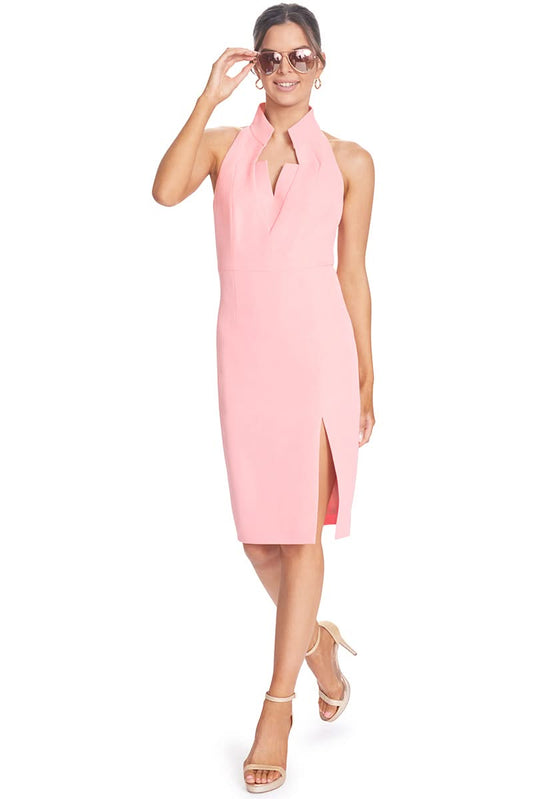
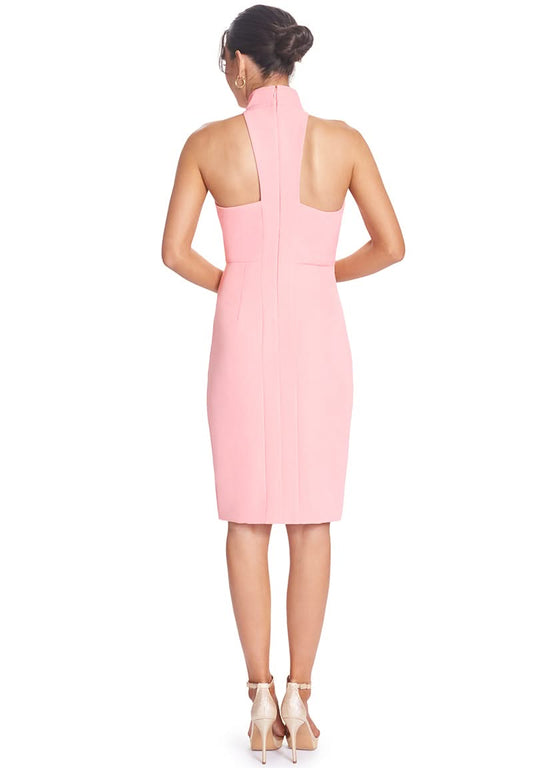
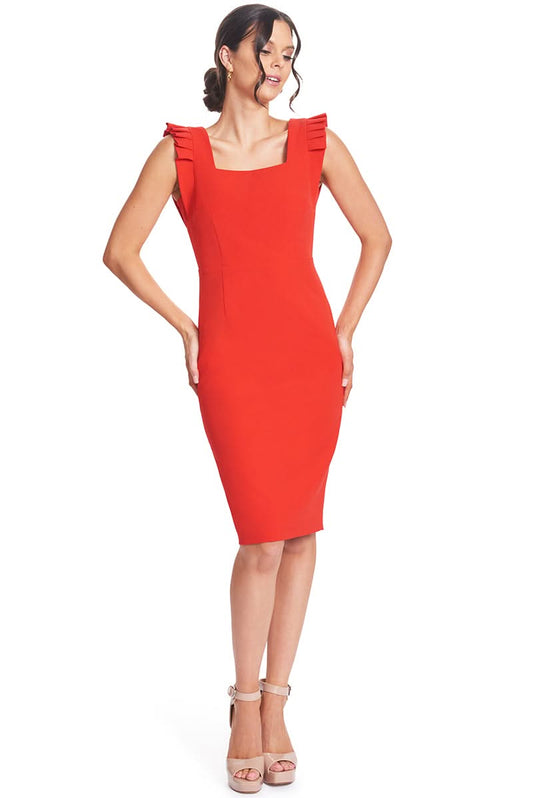
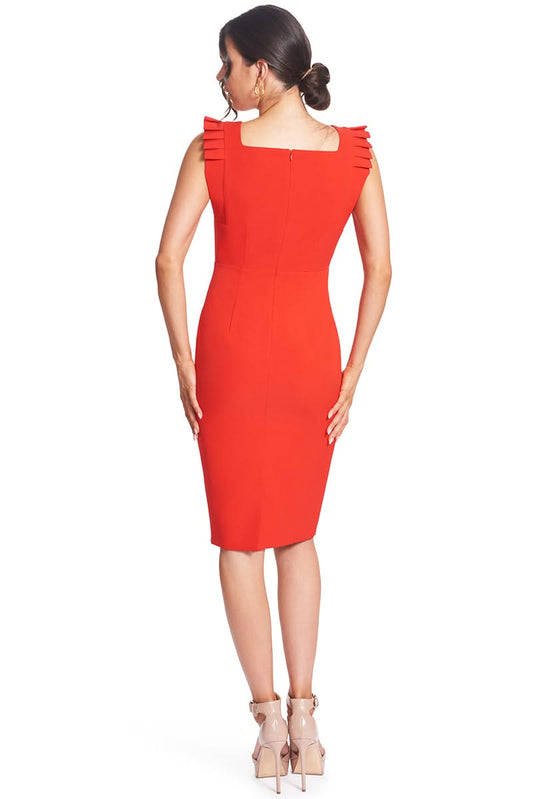
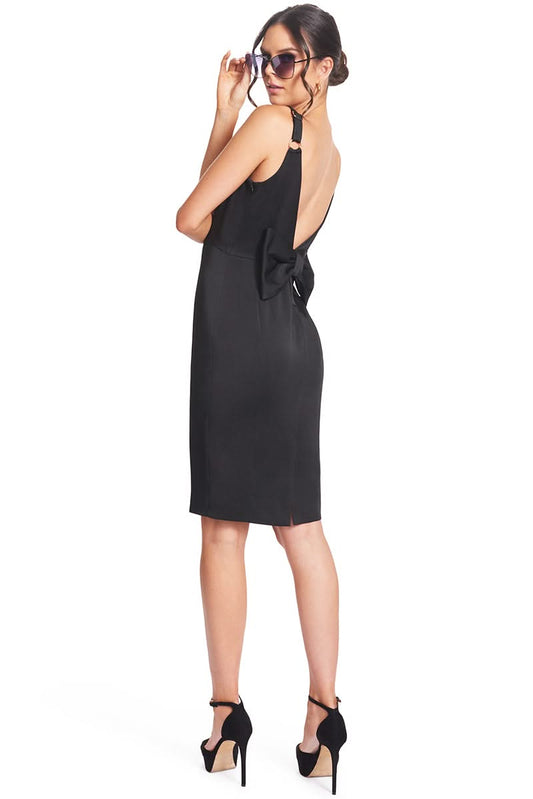
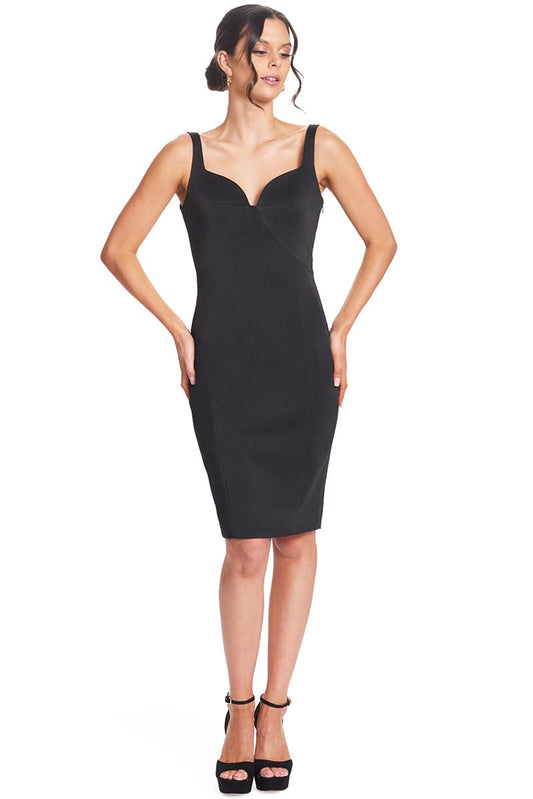
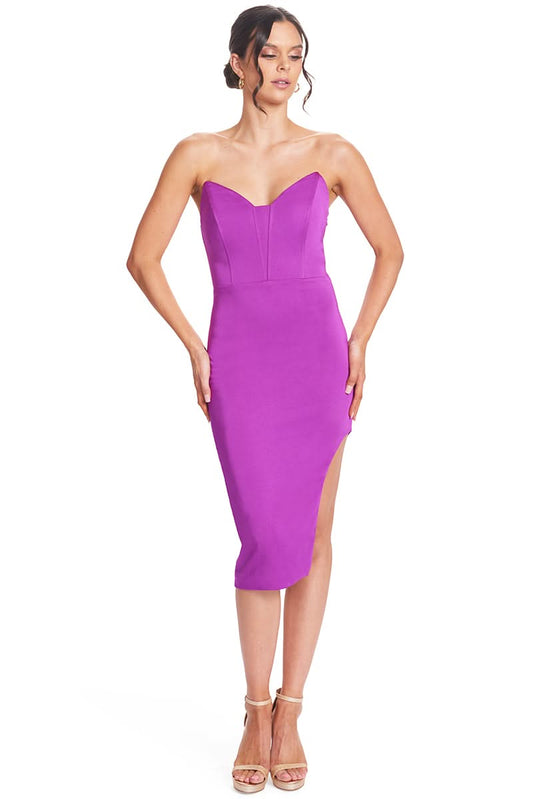
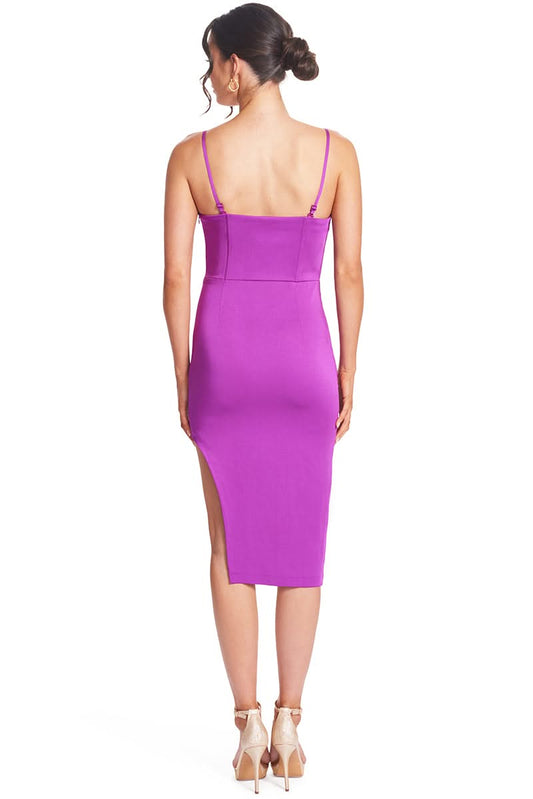
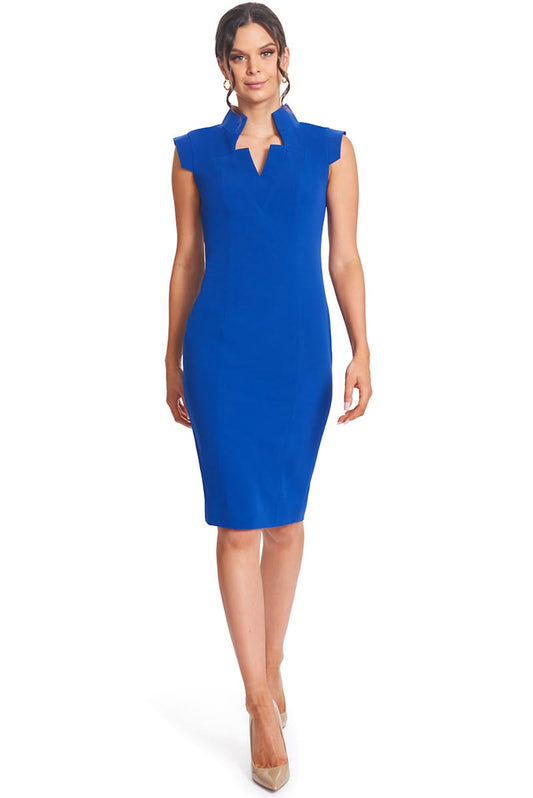
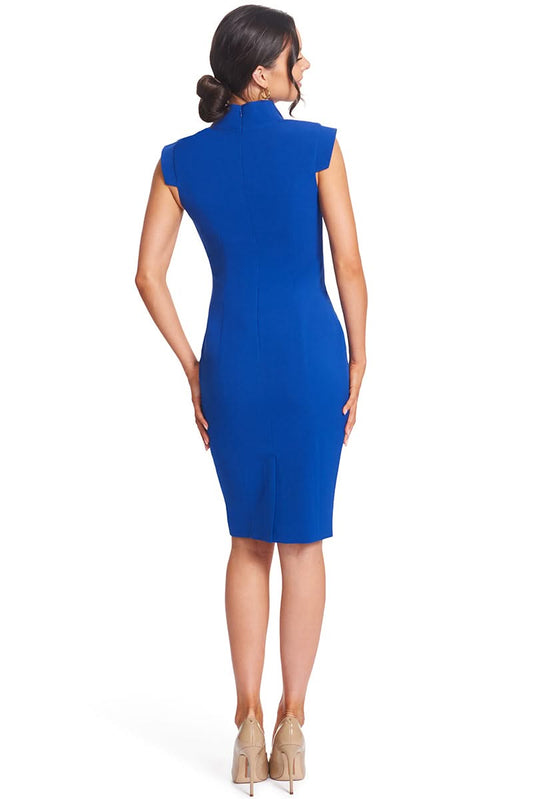
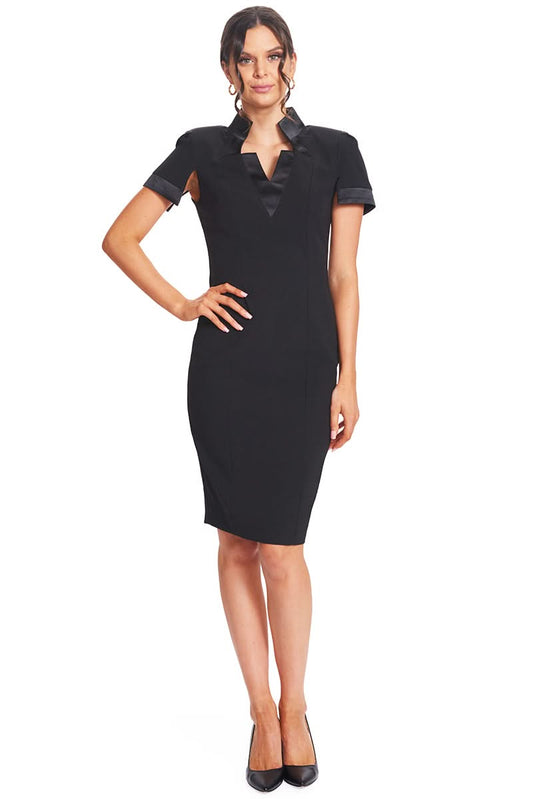
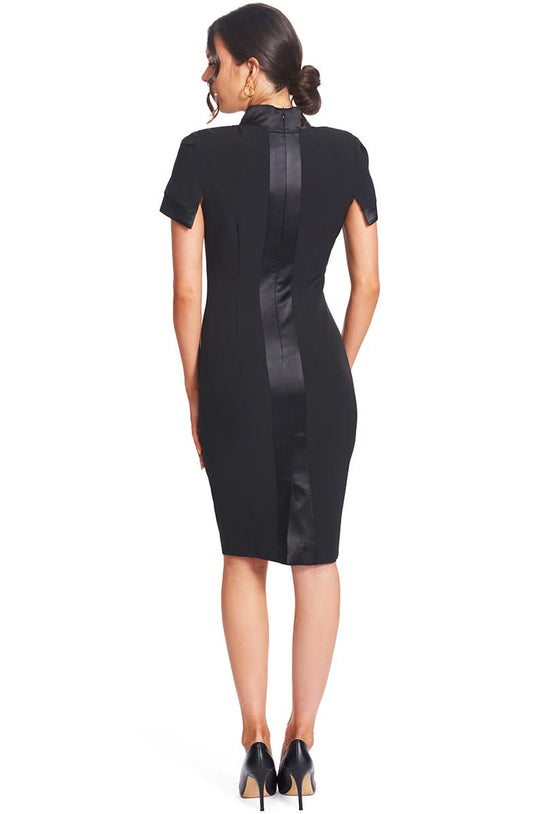
That gap matters when you are building a wardrobe meant to last. A tailored blazer or a structured dress is a long-term investment, so the question is whether the premium buys you real construction and fabric or simply a name. Simona Maghen offers timeless and modern designs with intentional structure and versatile styles for day-to-night wear.
Garment benchmarking research points the same way. One study concluded that price could not be used as an indicator of durability, while fabric composition affected physical performance (ResearchGate study on garment durability and price). The lesson is simple: read the label and examine the piece before you assume a higher price means a better one.
How to Tell If Clothes Are Good Quality Before You Buy
Quality shows up in the details, and you can check most of them in a fitting room in under five minutes. The goal is a repeatable routine, not a vague sense that something feels nice. Work through fabric, construction, and fit in that order.
Start with the fabric. Natural fibers like wool, silk, and fine cotton often drape better and hold their shape longer than thin synthetic blends. Hold the fabric up to the light. If you can see through it easily, it will likely wear thin. Check the label for fiber content and care instructions: a garment that requires frequent dry cleaning carries a higher ownership cost than one you can launder gently at home.
Then examine the construction. Use this checklist:
- Seams: Stitching should be even, tight, and free of loose threads. Turn the garment inside out and look for finished seam allowances rather than raw, fraying edges.
- Hems: Look for clean, invisible finishing rather than puckering. A deep hem gives you room to let the garment down later.
- Buttons: They should be firmly attached, ideally with a shank or thread back. Check for a spare button and whether the buttonhole is cleanly finished.
- Zippers: Smooth, metal or high-quality components work better than thin plastic. Zip it up and down to confirm it glides without catching.
- Lining: A full, smooth lining prevents clinging and extends the life of the outer fabric. Check that the lining is attached securely at the shoulders and hem.
- Pattern matching: On prints and stripes, the pattern should align at seams. Misaligned patterns signal rushed production.
Test the fit as well. A garment that pulls across the bust or gapes at the back will strain its seams with every wear. Pay attention to how the piece sits when you move, sit, and reach. Quality is only useful if the fit is right for your body. If a garment fits well but needs a small alteration, factor that cost into your decision.
When you shop online, look for close-up images of seams, hems, and buttons, and read the fiber content and care label before you order. If the listing hides those details, treat that as a signal.
What Drives the Price Markup, and What You Are Paying For
A designer price reflects more than the cost of fabric and thread. Brand reputation, retail rent, marketing, and smaller production runs all add to the final number. Some of that spending is worth paying for, such as skilled tailoring and better materials. Some of it is simply the cost of the label.
Ask yourself which part of the price you are buying. If a blazer costs more because it has hand-finished seams, a fuller lining, and a fabric that resists wrinkling, the premium is tied to the garment itself. If most of the price comes from advertising and a logo, you are paying for status. Status can matter, but it should be a conscious choice rather than an assumption.
Pay attention to where a brand spends its effort. Clear information about materials, construction, and care is often a sign that the price reflects the product.
Calculating Cost Per Wear: The Math That Settles the Question
Cost per wear is the simplest way to judge value, but most shoppers stop at dividing price by wears. A more honest calculation includes what you spend to keep the garment wearable and what you recover when you retire it. That fuller picture is what separates a genuine investment from an expensive mistake.
The basic formula is purchase price divided by the number of times you realistically wear the piece. A $400 blazer worn 40 times costs $10 per wear. A $90 top worn twice costs $45 per wear. The expensive item may be the better buy. But the number changes once you add ownership costs.
Use this four-step framework to compare two garments side by side:
- Purchase price. Include tax and any immediate alterations, such as hemming or taking in a waist.
- Realistic wears. Estimate wears per season, then multiply by the seasons you expect the piece to stay in rotation. Be conservative: count outfits it actually completes in your current wardrobe, not outfits you imagine.
- Ownership costs. Add expected repairs, re-lining, button replacement, and cleaning that the care label requires. A garment that needs frequent dry cleaning carries a higher true cost than one you can launder gently at home.
- Residual value. Subtract what you could reasonably recover through resale or consignment if you later retire the piece. Classic, timeless silhouettes in good condition tend to hold more value than trend-driven items.
The adjusted formula is: (purchase price + ownership costs − residual value) ÷ total wears.
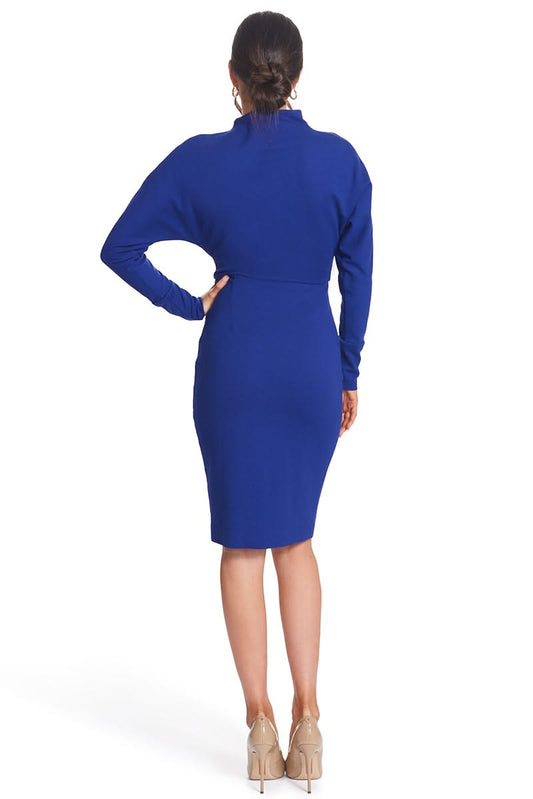
Fall Midi Dress with Long Sleeves | Royal Blue Convertible Midi Dress →
Here is how that plays out in practice. Suppose a $400 tailored blazer needs one $40 alteration, one $25 button repair over its life, and $60 in cleaning across five years, and you could resell it for $80. Your net cost is $445, and at 200 wears that is about $2.23 per wear.
Three variables move the result most:
- Wear frequency. A piece you reach for weekly beats a special-occasion piece almost every time.
- Lifespan. A garment that lasts three seasons instead of one triples its wears without changing its price.
- Versatility. Pieces that move from the office to an evening event earn more wears, which is why classic silhouettes give the strongest return.
If the expensive piece wins on adjusted cost per wear, the premium is paying off. If it does not, the label is doing the persuading, not the garment.
The table below lays out the four steps of the cost-per-wear framework so you can run the numbers on any two garments side by side.
| Step | What to include | Why it matters |
|---|---|---|
| Purchase price | Tax and immediate alterations, such as hemming | Sets the starting cost |
| Realistic wears | Outfits the piece completes in your current wardrobe | Keeps the estimate honest |
| Ownership costs | Repairs, re-lining, button replacement, required cleaning | Shows the true cost of keeping it |
| Residual value | What you could recover through resale or consignment | Lowers the net cost |
Which Pieces Deserve a Higher Budget in a Work Wardrobe
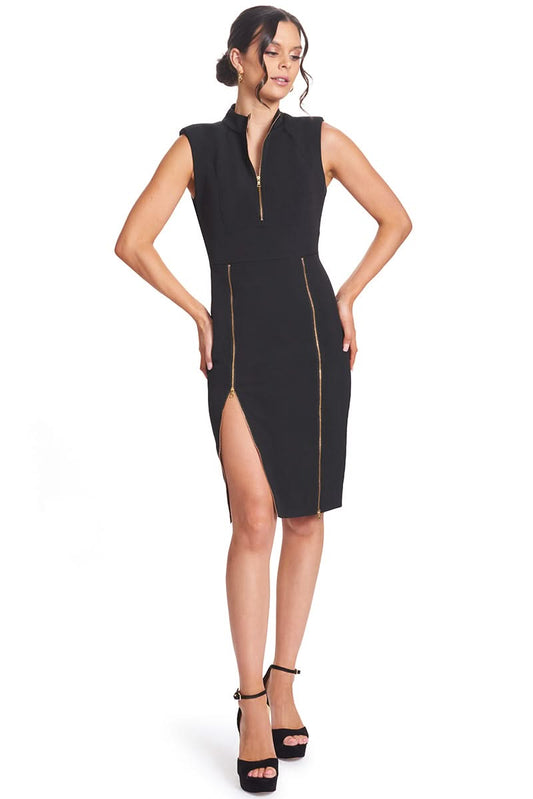
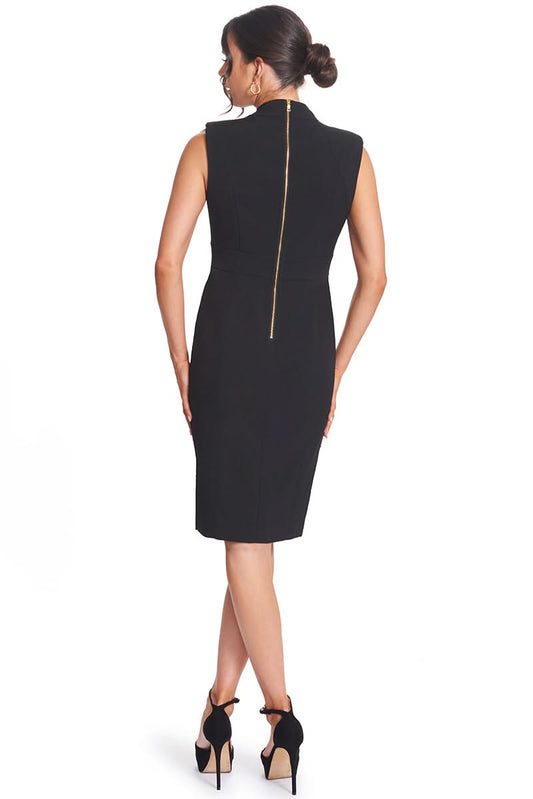
Not every item needs a premium price. Spend more where the garment carries the most weight in your daily routine. Tailored jackets, structured dresses, and well-cut trousers see frequent wear and benefit most from strong construction. These are the pieces that define a professional look, so their fit and fabric matter.
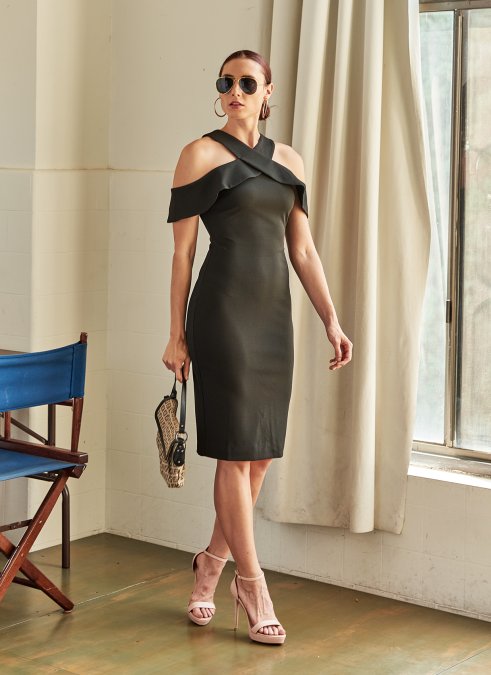
Spend less on trend-driven pieces you may wear only once or twice. Basic knits, layering tops, and accessories can often come from more affordable sources without sacrificing much. Keeping your investments focused on classic, timeless pieces makes your wardrobe feel cohesive and polished. Browse work-appropriate pieces for polished workwear to see the options available in this category.
Care, Repair and Lifespan: How Long Garments Should Last
A well-made garment is only as good as its care. Follow the label, wash less often when you can, and use gentle cycles or hand washing for delicate fabrics. Heat is the enemy of most fibers, so air-dry when possible and avoid high dryer settings. Store knits folded and tailored pieces on proper hangers to keep their shape.
Small repairs extend life dramatically. Replace a loose button promptly, mend a small seam split before it grows, and have a tailor adjust hems or take in a waist. These fixes cost little and keep a good garment in rotation for years.
Expect quality pieces to last several seasons of regular wear. If a garment starts pilling, losing shape, or fraying at stress points within a few months, it was likely not worth its price, regardless of the label.
Where to Put Your Next Dollar: Choosing Pieces to Shop First
Start with one or two pieces you will wear every week, such as a tailored blazer or a versatile dress that moves from desk to dinner. If you are looking for lower-cost options with a sophisticated work look, compare alternatives before committing to a premium label. These deliver the most value for a higher budget. Build the rest of your wardrobe around them with simpler, lower-cost basics.
Before you buy, check the quality points above, run the cost-per-wear math, and confirm the piece fits your lifestyle. For a broader plan, How To Build Versatile Capsule Wardrobe walks through choosing timeless pieces that earn their place.
Expensive clothing is worth the price when it fits your body, lasts through regular wear, and earns its place in your rotation. Use the checks in this guide, and let the numbers, not the label, make the final call.
Frequently Asked Questions
Is expensive clothing always better quality?
No. Price alone is not a reliable measure of durability. A garment benchmarking study summary found that price could not be used as a durability indicator, while fabric composition affected physical performance. A Texintel wear test of ten T-shirts reported that six of the top performers cost less than £15, and several shirts that cost more wore out sooner. Check the fiber content, the stitching and the lining before assuming a higher price means a longer-lasting piece.
How do you calculate the cost per wear of clothing?
Divide the purchase price by the number of times you expect to wear the piece. Estimate realistic wear honestly, and track it for a few months to check your estimate. Pieces that fit both the office and evening events usually produce the lowest cost per wear.
Is it worth investing in classic wardrobe pieces?
Classic, well-structured pieces such as a tailored blazer, a crisp shirt or a sheath dress tend to stay in rotation for years because they do not depend on passing trends. Investing in these categories often makes sense for professional women who wear them weekly. Spend more where fit, tailoring and fabric are most visible, and spend less on trend-driven items you may wear only a season.
How can you tell whether a clothing brand is charging for quality or its name?
Look at what the price actually buys: fiber content, seam construction, lining, hardware and tailoring. A brand charging for quality will usually show these details clearly. If the markup is mostly logo or marketing, the construction will look similar to lower-priced pieces. Compare two garments side by side, check the care labels and fabric composition, and ask whether you would still want the piece without the brand name.
