


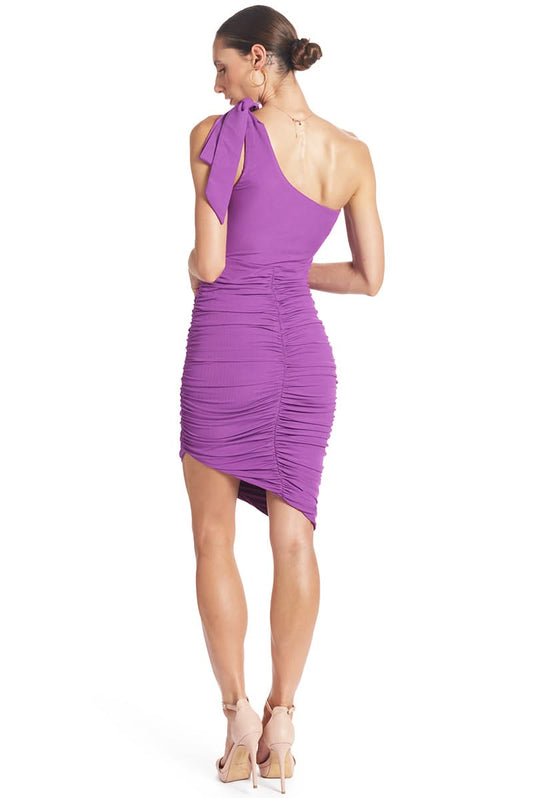
Skirt Suit Alternatives Women Actually Want
A traditional skirt suit can look impeccable at 9 a.m. and feel overly formal by 6 p.m. The best skirt suit alternatives women can choose preserve that sense of authority while offering more ease, personality, and range. Think clean lines, intentional structure, and silhouettes that carry you from a presentation to a dinner reservation without requiring a complete outfit change.
The goal is not to abandon polish. It is to make polish feel more like you. A strong alternative should hold its shape, flatter your proportions, and create a composed look with fewer pieces to manage. For women who want workwear with presence, that often means a tailored dress, a modern blazer pairing, or a refined blouse-and-skirt combination that feels distinctly current.
Why the Classic Skirt Suit Feels Limiting
The skirt suit earned its place in the professional wardrobe because it communicates discipline and confidence at a glance. But the matching jacket-and-pencil-skirt formula can also feel restrictive, both visually and physically. A short fitted jacket may interrupt the line of the body, while a narrow skirt can limit movement during a full day of meetings, commuting, and travel.
There is also the question of versatility. A skirt suit can read as office-specific, especially in conservative colors or traditional fabrics. If your calendar includes client lunches, gallery openings, cocktail events, or evening dinners, you may want pieces that feel less like a uniform and more like an expression of personal style.
The most successful alternatives maintain the structure of tailoring but soften the formality. A stretch crepe sheath, a tuxedo-inspired midi dress, or a precise blazer over a fluid skirt can project the same confidence with more modern femininity.
5 Skirt Suit Alternatives Women Can Wear Anywhere
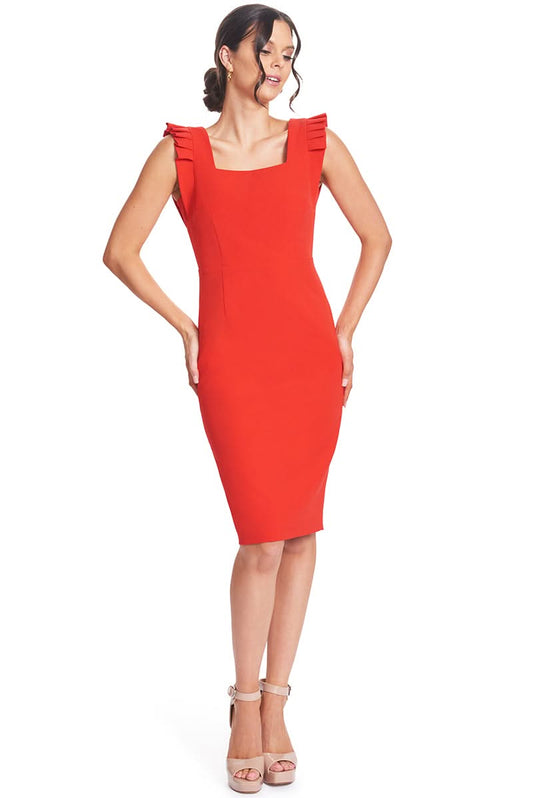
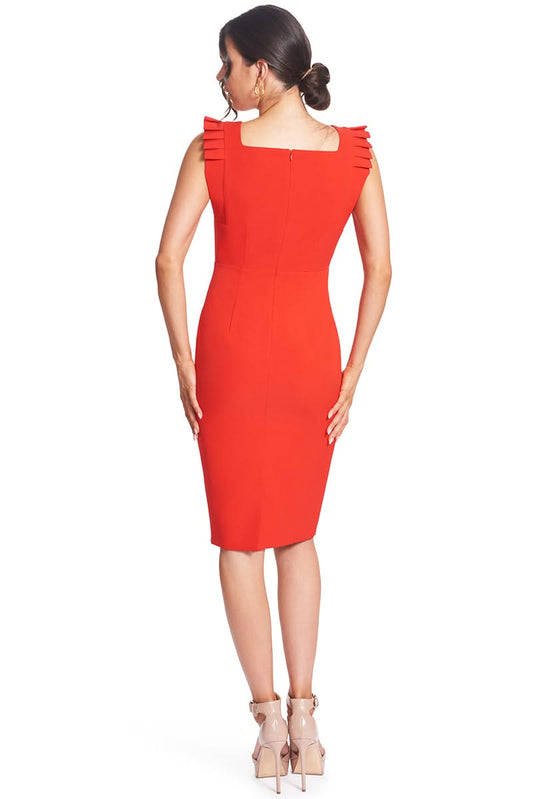
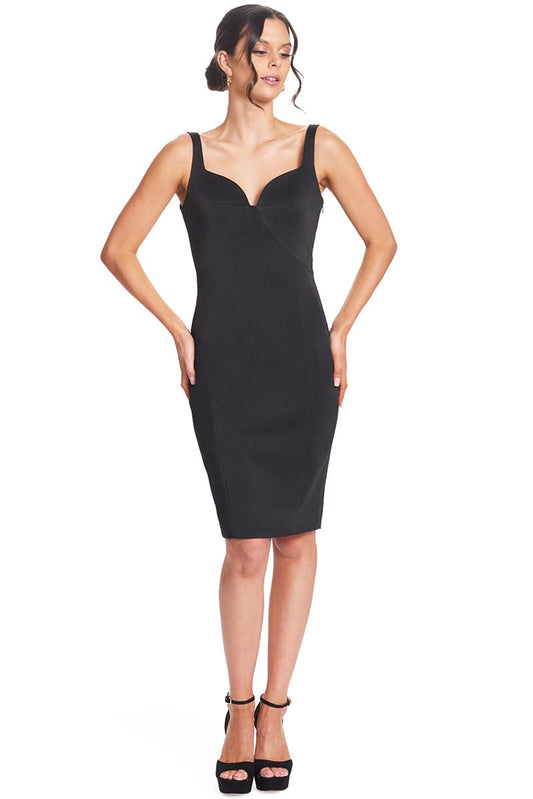
1. The tailored sheath dress
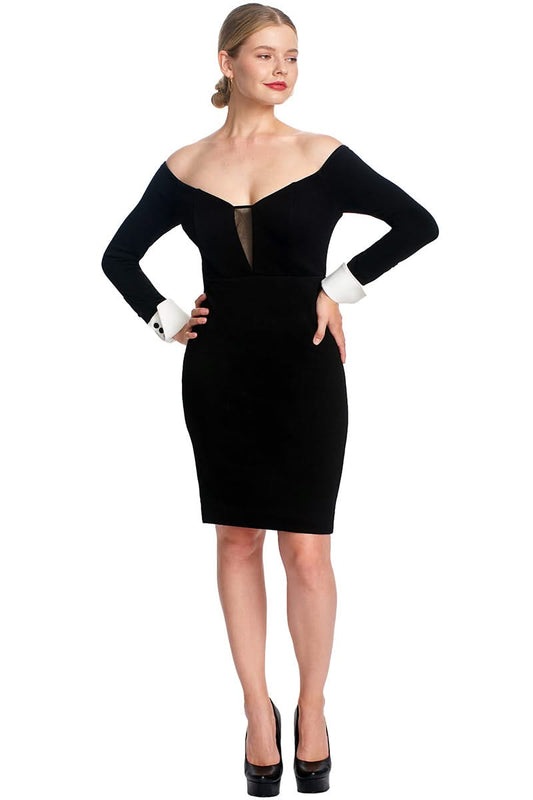
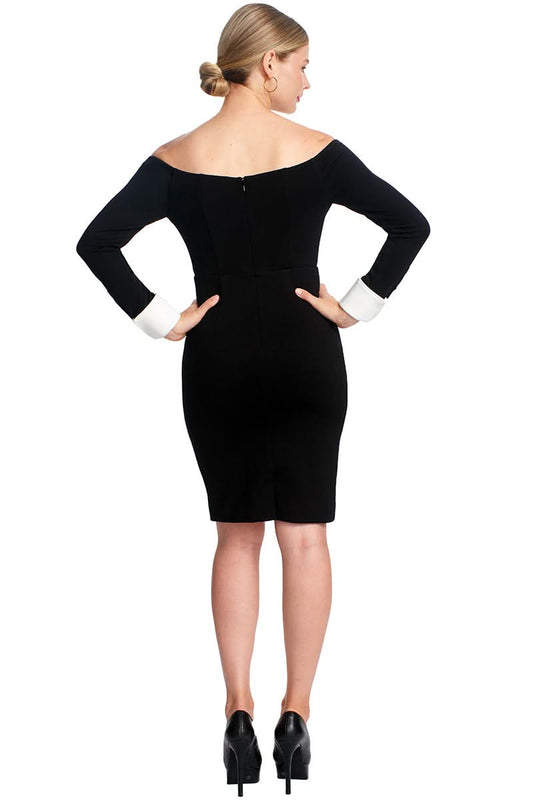
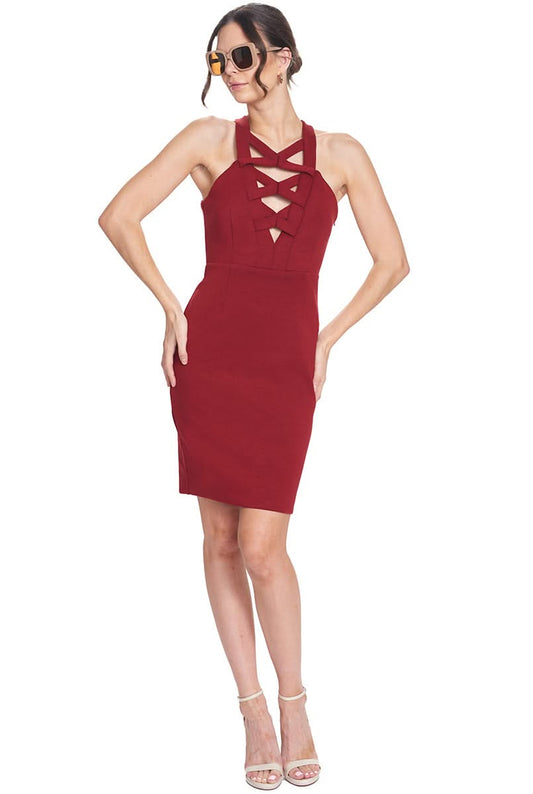
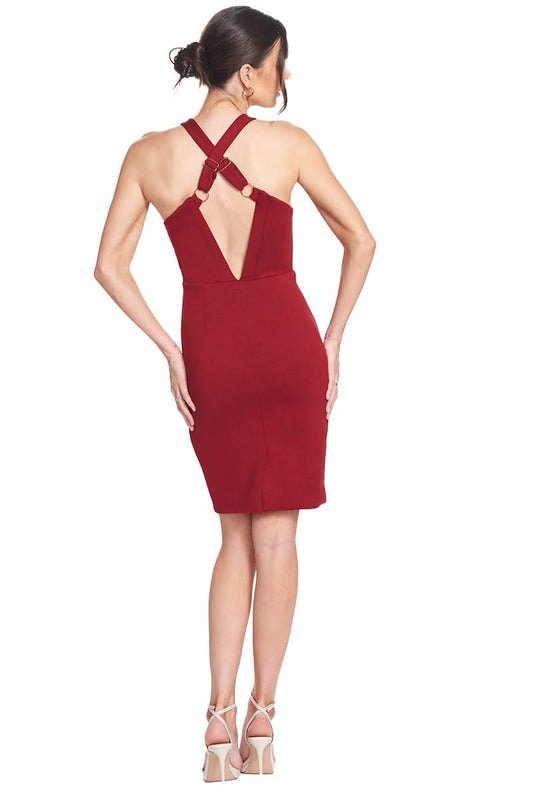
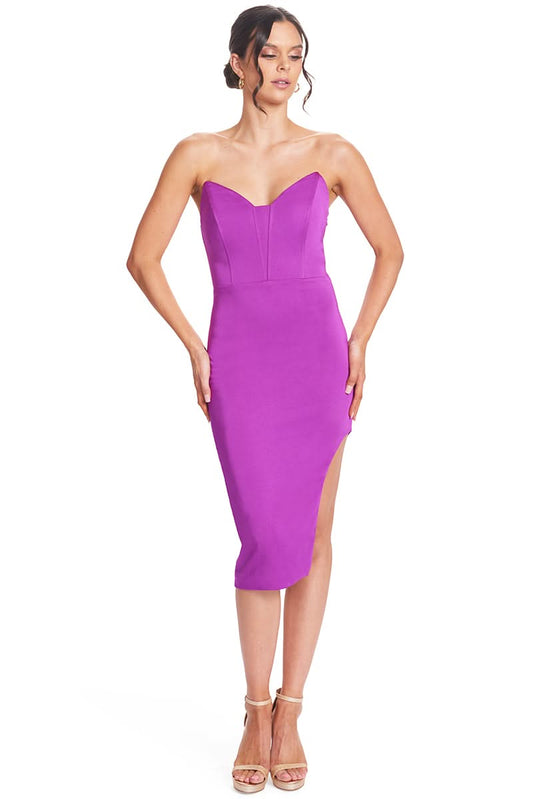
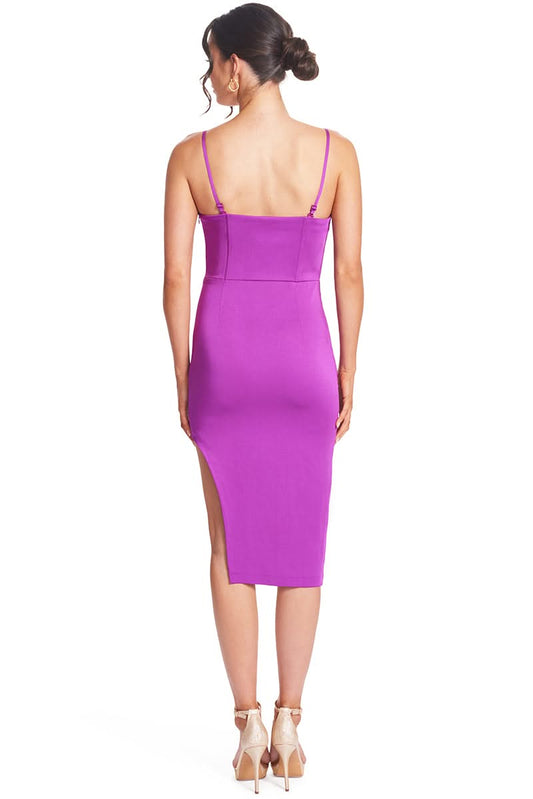
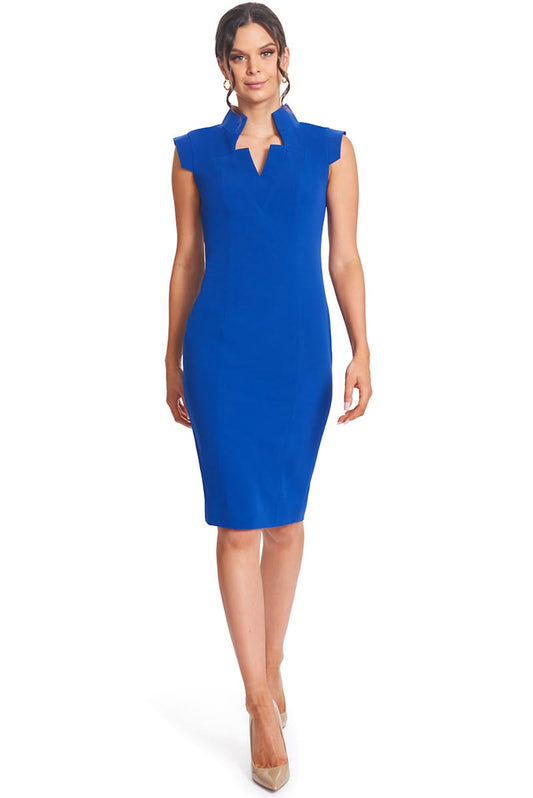
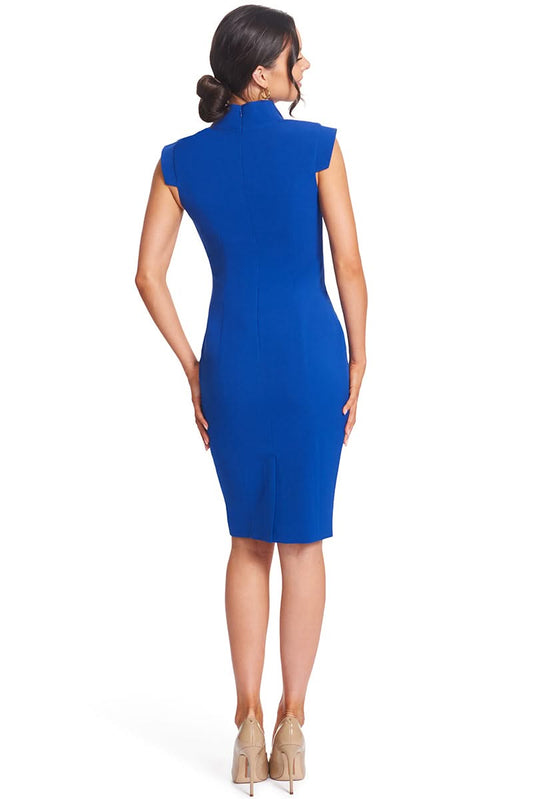
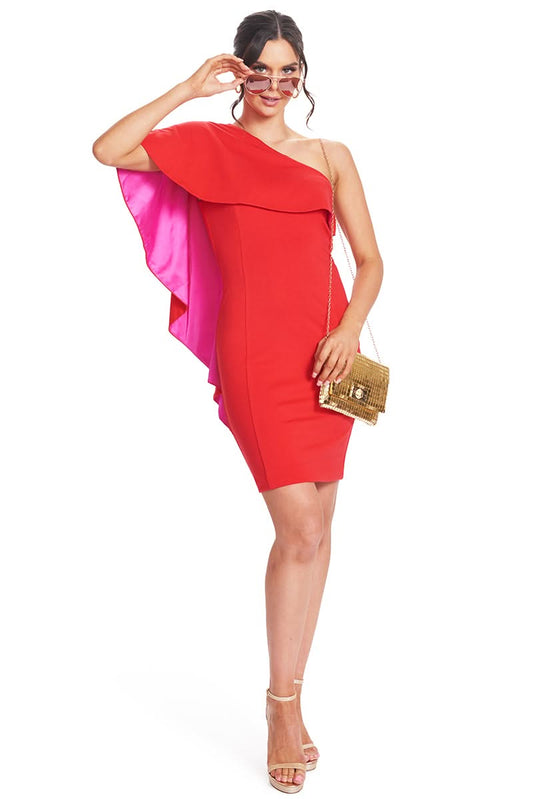
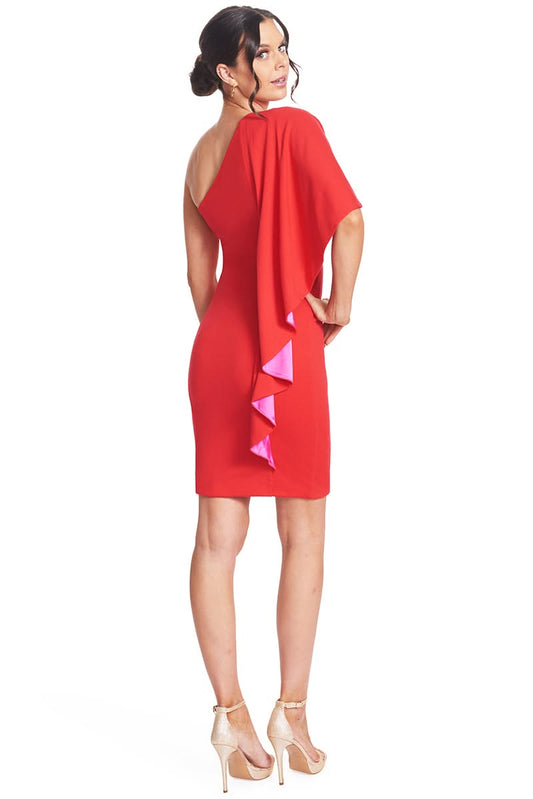
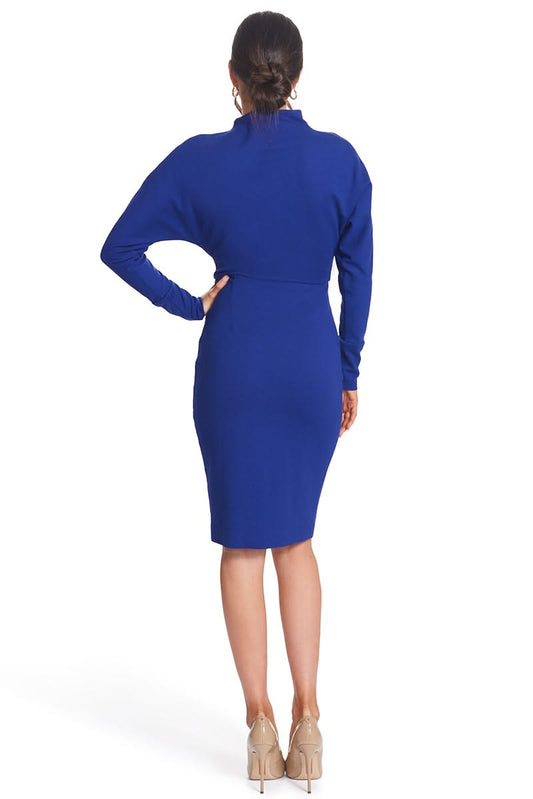
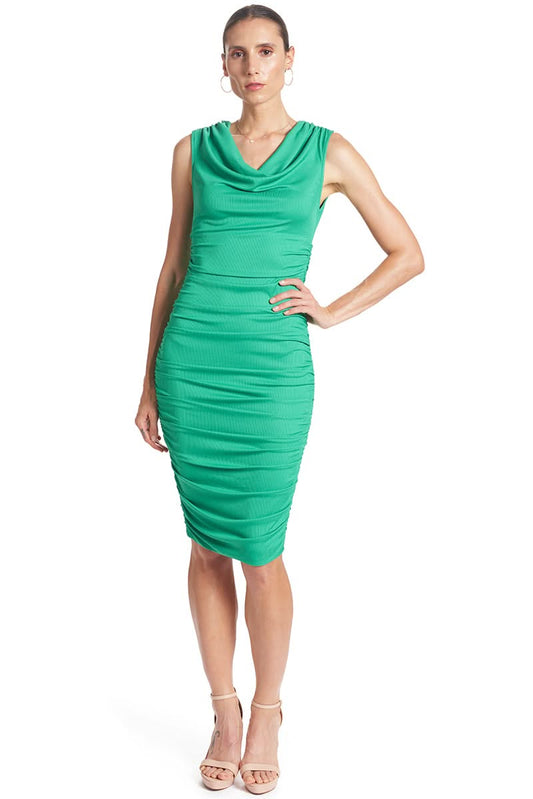
A sheath dress is one of the most effective replacements for a skirt suit because it creates a complete, uninterrupted silhouette. In a structured fabric such as Ponte or stretch crepe, it offers the clean finish of suiting with greater comfort and less bulk.
Choose a style with thoughtful seaming, a defined waist, or subtle shoulder structure. These details create shape without relying on a separate jacket. For a boardroom-ready finish, add a blazer in black, ivory, navy, or a tonal neutral. Remove it after work, change into a statement earring or a sleek heel, and the dress is ready for the evening.
This is especially useful when you need to look polished during travel. One dress, one layer, and a considered shoe can do more than a suit that needs to stay perfectly pressed all day.
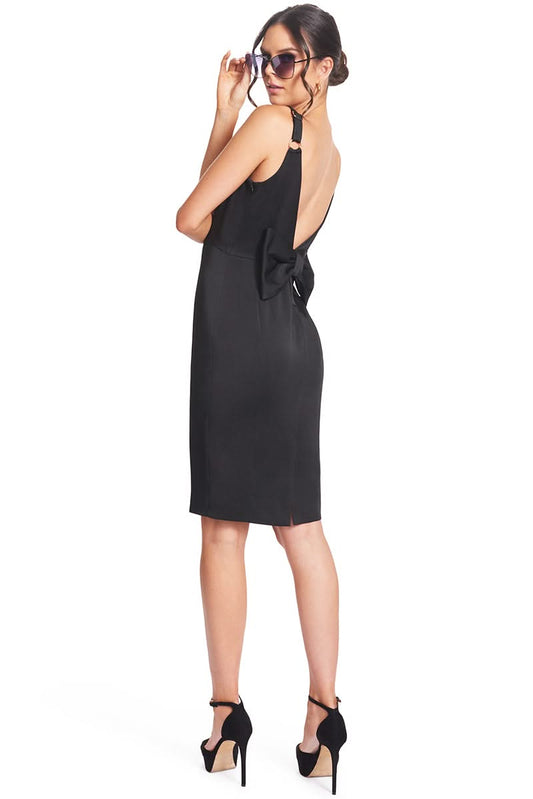
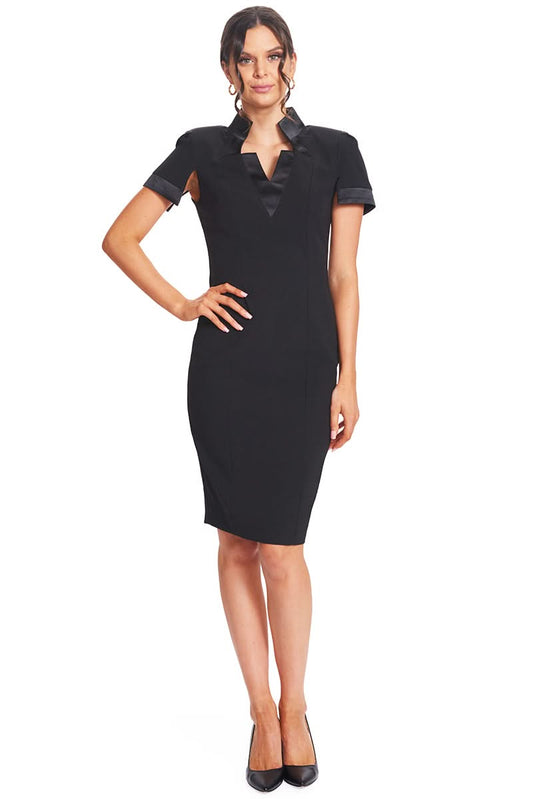
2. The tuxedo-inspired dress
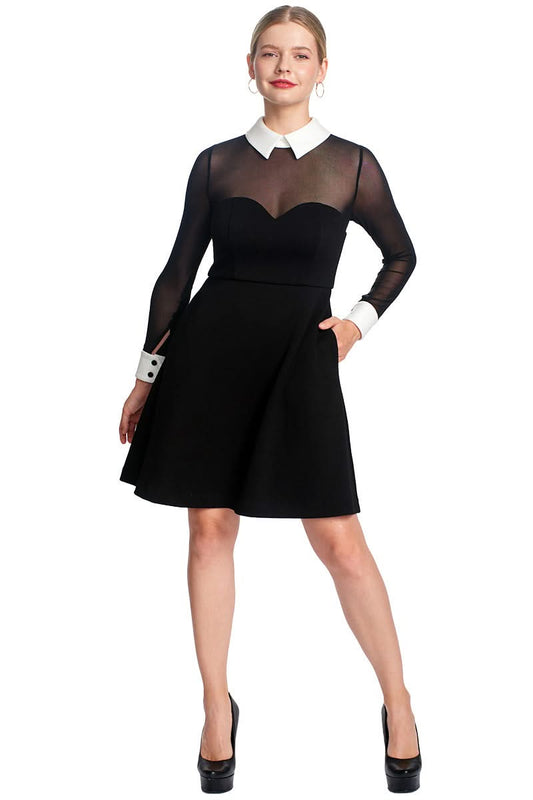
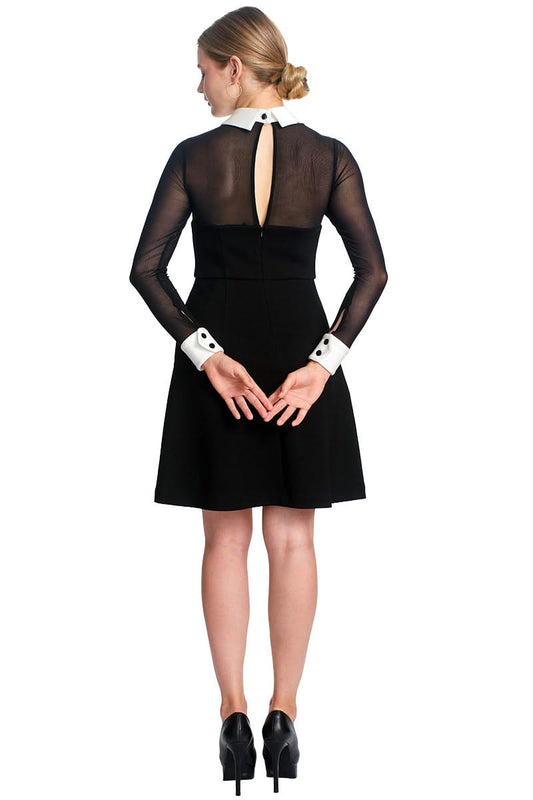
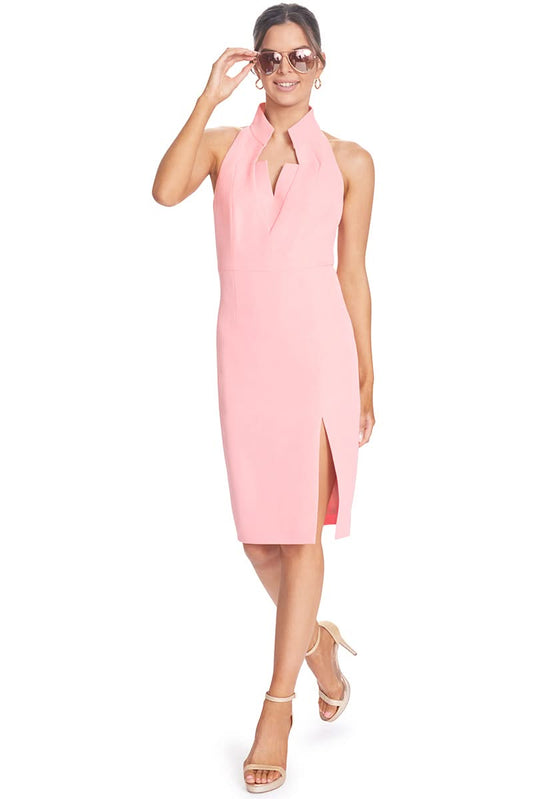
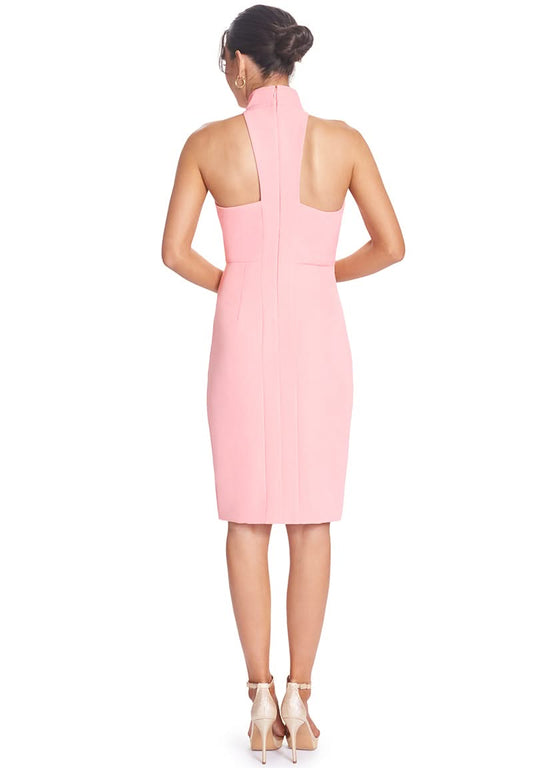
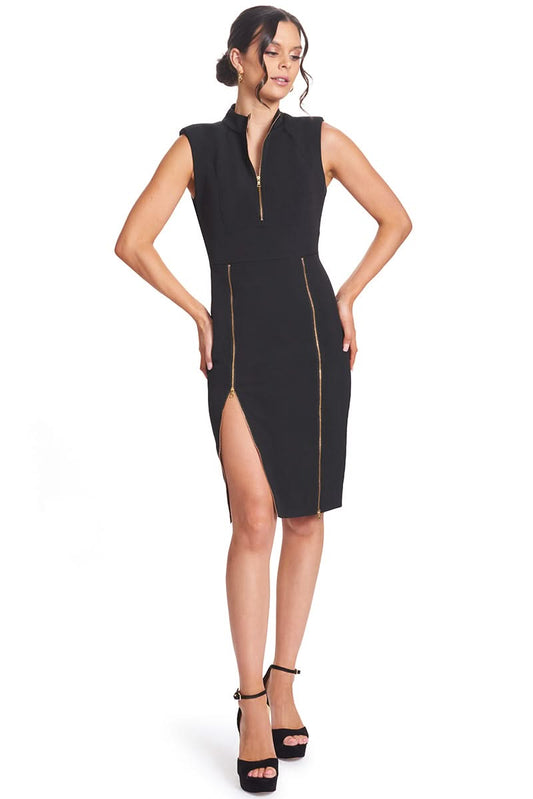
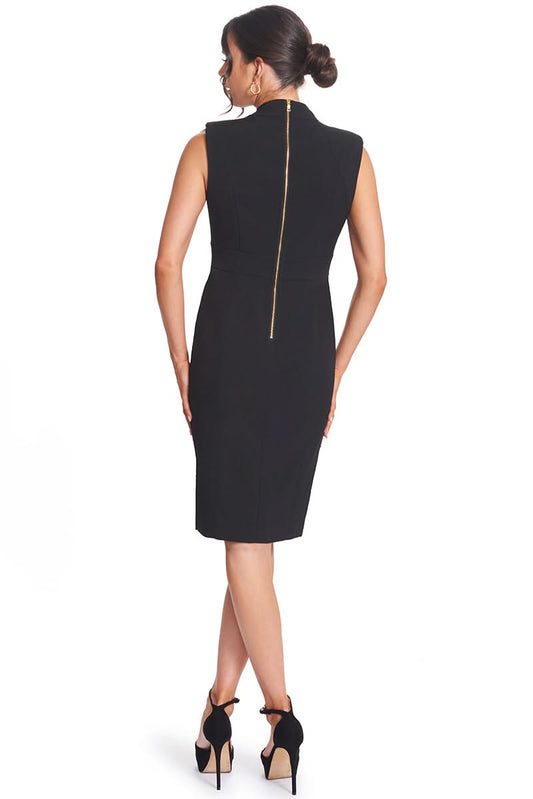
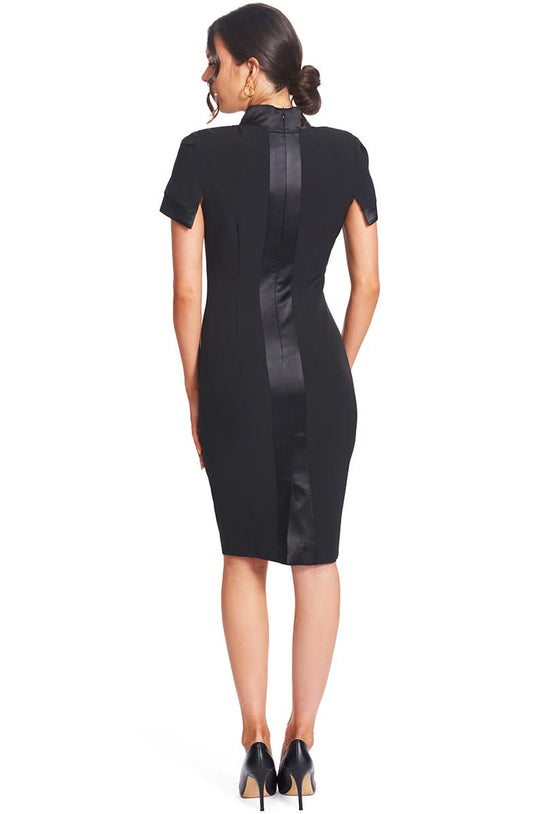
Menswear details bring an immediate sense of command, but a tuxedo dress keeps the effect unmistakably feminine. A sharp lapel, covered buttons, a defined waist, or contrast trim creates visual authority without the predictability of a matching suit.
This option works beautifully for speakers, hosts, executives, and anyone attending an event where a standard suit might feel too corporate. Black remains a powerful choice, but deep jewel tones and elegant neutrals can feel equally sophisticated when the cut is precise.
The trade-off is occasion. A tuxedo-inspired dress may be more directional than a simple sheath, so it is best when you want your outfit to make an entrance rather than disappear into the room. Keep accessories intentional: a pointed-toe pump, sculptural earring, or slim clutch is often enough.
3. The blazer and midi dress combination
A polished midi dress with a tailored blazer offers a more relaxed take on suit dressing. The dress brings movement and softness; the blazer provides definition and presence. Together, they create a look that feels considered rather than overly coordinated.
For the strongest proportions, let the hem of the dress fall below the blazer and choose a jacket that either defines the waist or ends at a flattering point on the hip. A fitted blazer over a fluid midi can be striking, while a straighter blazer works well with a more body-skimming dress.
Color can determine how formal the result feels. Tonal dressing in black, cream, or rich brown creates a long, elevated line. A contrast blazer makes the outfit more expressive and is ideal for creative workplaces, dinner meetings, and daytime events.
4. The blouse and structured skirt
A blouse and skirt pairing has the flexibility of separates without the rigid feeling of a traditional suit. The key is contrast in texture and precision in fit. Pair a fluid blouse with a substantial skirt, or choose a crisp, tailored top with a skirt that has a little movement.
A high-waisted midi skirt can create an elegant, lengthened silhouette when worn with a blouse tucked neatly in. A pencil skirt remains a strong option, particularly in a fabric with stretch, but it should allow you to sit, walk, and move through the day comfortably. The most flattering skirt is not necessarily the tightest one. It is the one that holds its line while allowing you to forget about it.
This combination is ideal when you need to create several outfits from a smaller wardrobe. One refined blouse can change the character of a skirt entirely, while a structured skirt can make a softer top feel immediately work-ready.
5. The matching set, reimagined
If you appreciate the ease of a coordinated look, choose a matching set that is less literal than a conventional skirt suit. Consider a tailored top and midi skirt in the same color, or a blazer with a dress in a closely related tone. The visual continuity gives you the authority of a suit, while the silhouette feels fresher.
The distinction comes down to design. Matching pieces with clean lines, feminine shaping, and modern fabric can feel refined rather than uniform. A little stretch matters here. It helps a coordinated look remain comfortable through a long event, a workday, or an evening of standing and socializing.
How to Keep the Look Powerful, Not Casual
The difference between elevated separates and an outfit that feels unfinished is usually structure. Prioritize fabrics that hold their form, hems that fall cleanly, and pieces that fit well through the shoulders and waist. If the shoulder line is right, much of the outfit already looks more intentional.
A strong shoe also changes the message. A pointed pump, polished slingback, sleek boot, or refined loafer can anchor a dress or skirt combination with authority. For more formal settings, choose a shoe with a clean profile rather than heavy hardware or overly casual soles.
Accessories should support the silhouette, not compete with it. A defined belt can sharpen a dress. A sculptural earring can take a simple black look into evening. For client-facing moments, a structured bag and a restrained palette often deliver more impact than multiple trend-driven details.
Choose for the Room, Not Just the Dress Code
The right alternative depends on where you are going and how you want to feel when you arrive. A tailored sheath dress is a reliable choice for interviews, presentations, and professional lunches. A tuxedo-inspired silhouette has more drama for a gala, cocktail occasion, or evening event. A blouse-and-skirt combination offers flexibility for office days that turn into dinner plans.
Climate and mobility matter, too. In warmer weather, a sleeveless structured dress with a blazer nearby can be smarter than wearing a jacket all day. In colder months, a long-sleeve dress or a substantial midi skirt provides coverage without sacrificing elegance. If you will be on your feet, favor stretch fabrics and a silhouette that lets you move naturally.
Most of all, choose the piece that lets you focus on the conversation, the presentation, or the celebration ahead. The right outfit does not ask for attention all day. It gives you presence, holds its shape, and reminds you that refined glamour can be part of your everyday standard.